People 人物 To Mention Only A FEW.

2026年4月10日 星期五

216 歐洲海報簡史(Posters:A brief introduction) 2018-2-13 漢清講堂 VS1964年東京奧運會,我國小五年級,台灣剛有黑白電視機,在台北同學家看過台灣轉播或報導,難忘。於1964年10月10日至10月24日在日本東京都舉行的夏季奧林匹克運動會。.1964年東京奧運是日本國際揚名的關鍵年,近20張的海報表現國家力量強...等等 Gennifer Weisenfeld撰寫探討日本商業平面設計、消費資本主義和政治宣傳的交會點《說服的藝術:現代日本的企業廣告設計、國家與帝國》(The Fine Art of Persuasion: Corporate Advertising Design, Nation, and Empire in Modern Japan) 本書分析了日本廣告從20世紀初到1964年東京奧運的演變歷程。它探討了商業藝術、企業品牌塑造和國家宣傳如何融合,共同塑造了民族認同、消費主義和戰時意識形態。 當年英國女傑剛過世: 田徑運動先驅 Mary Rand,瑪麗蘭德逝世,享年86歲 在1964年東京奧運會上,她成為第一位獲得田徑金牌的英國女性,也是第一位在一屆奧運會上獲得三枚獎牌的英國女性。


2018年4月10日 ·
分享對象:所有人
215 「人生實難」:談臺靜農先生 2018-02-21 漢清講堂
hc iTaiwan forum
216 歐洲海報簡史(Posters:A brief introduction) 2018-2-13 漢清講堂
youtube.com
216 歐洲海報簡史(Posters:A brief introduction) 2018-2-13 漢清講堂


田徑運動先驅瑪麗蘭德逝世,享年86歲


在1964年東京奧運會上,她成為第一位獲得田徑金牌的英國女性,也是第一位在一屆奧運會上獲得三枚獎牌的英國女性。


Mary Rand,
 Pioneering Track and Field Olympian, Dies at 86

At the 1964 Tokyo Olympics, she became the first British woman to win a gold medal in track and field, and the first to win three medals in one Games.


1964年夏季奧林匹克運動會(日語:1964年夏季オリンピック/1964ねんかきオリンピック,羅馬化:Sen Kyūhyaku Rokujūyon-nen Kaki Orinpikku,英語:1964 Summer Olympics)[註 2],一般稱為1964年東京奧運會,是於1964年10月10日至10月24日在日本東京都舉行的夏季奧林匹克運動會。[1]

對於二戰後經歷現代化過程的日本人而言,本屆1964年東京奧運意義非常大。此前東京曾獲得1940年夏季奧林匹克運動會主辦權,但因第二次世界大戰爆發而停辦。戰後,作為戰敗國的日本終於在1964年再度獲得奧運主辦權並順利舉行,對比下成為了日本重拾自信的改革象徵,是轉型和平主義、經濟並急速恢復的重要國家記憶,因此後來日本人對於奧運的申辦有極特殊的感情,所以在2020年東京又再次承辦2020年夏季奧林匹克運動會,從而成為亞洲第一個兩次主辦夏季奧運會的城市和國家(由於嚴重特殊傳染性肺炎大流行,2020東京奧運被延後至2021年舉行)[2]。

背景

申奧成功當天的讀賣新聞

這是日本首次舉辦奧運會,同時也是第一次在亞洲國家舉辦。這次奧運共有94個國家地區派出代表團參賽,但利比亞代表隊於奧運開幕式後退出賽事,因此參賽國家數目實為93個。

南非因國內實行種族隔離政策,亦在本屆奧運會開始被禁止參賽,直至1992年,當南非政府廢除隔離政策後,才可獲奧委會批准,於1992年巴塞隆納奧運當中亮相。印尼因支持中華人民共和國,反對中華民國參賽,而被國際奧會開除會籍,為此,印尼拒絕參加本屆奧運會,直至蘇哈托上台後,於1968年墨西哥城奧運會重新亮相。


Games of the XVIII Olympiad
Emblem of the 1964 Summer Olympics
LocationTokyo, Japan
Nations93
Athletes5,137 (4,457 men, 680 women)
Events163 in 19 sports (25 disciplines)
Opening10 October 1964
Closing24 October 1964
Opened by
Emperor Showa[1]
Closed by
IOC President Avery Brundage
Cauldron
Yoshinori Sakai[1]
StadiumNational Stadium
Summer
← Rome 1960
Mexico City 1968 →
Winter
← Innsbruck 1964
Grenoble 1968 →
1964 Summer Paralympics
Olympic rings
Part of a series on
1964 Summer Olympics
  • Bid process (bid details)
  • Development (Venues, torch relay)
  • Marketing (mascots, pictograms)
  • Broadcasters
  • Opening ceremony (flag bearers)
  • Event calendar
  • Chronological summary
  • Medal table (medalists)
  • Controversies
  • World and Olympic records
  • Closing ceremony (flag bearers)
  • Paralympics (medal table)
  • IOC
  • JOC
  • TOCOG '64


Yoshinori Sakai running toward the Olympic cauldron.
Marathon winner Abebe Bikila of Ethiopia

Competitor medal awarded to Irish yachtsman Eddie Kelliher at the games


1964年東京奧運是日本國際揚名的關鍵年,近20張的海報表現國家力量強...等等    Gennifer Weisenfeld撰寫探討日本商業平面設計、消費資本主義和政治宣傳的交會點《說服的藝術:現代日本的企業廣告設計、國家與帝國》(The Fine Art of Persuasion: Corporate Advertising Design, Nation, and Empire in Modern Japan) 本書分析了日本廣告從20世紀初到1964年東京奧運的演變歷程。它探討了商業藝術、企業品牌塑造和國家宣傳如何融合,共同塑造了民族認同、消費主義和戰時意識形態。Nationalナショナル是大品牌,就產業與科技,與Philips近同步...本書近20張照片。...  


AI Overview
Majesty in Tokyo: The 1964 Olympics - LIFE
The 1964 Summer Olympics, held from October 10–24 in Tokyo, Japan, was the first Olympic Games hosted in Asia, serving as a powerful symbol of Japan's post-war recovery and modernization. The Games introduced judo and volleyball to the Olympic program and featured over 5,000 athletes from 93 nations. 
Watch the official film of the 1964 Tokyo Olympics:
Related video thumbnail
1m
Tokyo 1964 Olympic Marathon | Marathon Week
Olympics
YouTube• Apr 22, 2015
Key highlights of the 1964 Games include:
  • Symbolic Opening: The Olympic flame was lit by Yoshinori Sakai, who was born in Hiroshima on August 6, 1945, the day the atomic bomb was dropped.
  • Technological Advancement: Known as the "science fiction" games, they showcased Japan's rapid technological progress, including the newly launched Shinkansen bullet train and extensive live, international satellite television coverage.
  • Infrastructure Transformation: The event triggered major upgrades in Tokyo, including new highways, hotels, and subway lines, dramatically reshaping the city.
  • Key Sporting Moments: American sprinter Bob Hayes won the 100m dash in 10 seconds. Japanese athletes dominated, winning 16 gold medals, while Soviet gymnast Larisa Latynina cemented her legacy as one of the most decorated Olympians. 
You can see a detailed list of results on the official 1964 Olympic results page. 
  • Tokyo 1964 Summer Olympics - Athletes, Medals & Results
    It also proved the fourth time lucky for Greco-Roman wrestler Imre Polyak, who finally won gold after finishing second in the same...
    www.olympics.com
  • The 10 Best Moments from Tokyo 1964 | Top Moments
    Oct 9, 2020 — on October 10th 1964 Japan stood in celebration for the opening ceremony of the Olympic Games Tokyo 1964. the first time the games...
    YouTube·Olympics
    8:20
  • Tokyo 1964: The “science fiction” Games that brought a nation together
    Jun 23, 2021 — The first ever Olympic Games held in Asia, Tokyo 1964 was dubbed the 'science fiction' Games at the time, due to the sheer number ...
    www.olympics.com
Show all
Show more

1964 Summer Olympics


Wikipedia
https://en.wikipedia.org › wiki › 1964_Summer_Olymp...
The 1964 Summer Olympics, officially the Games of the XVIII Olympiad and commonly known as Tokyo 1964, were an international multi-sport event held from


Nationalナショナル是大品牌,就產業與科技,與Philips近同步...本書近20張照片。...1964年東京奧運是日本國際揚名的關鍵年,近20張的海報表現國家力量強...等等    Gennifer Weisenfeld撰寫探討日本商業平面設計、消費資本主義和政治宣傳的交會點《說服的藝術:現代日本的企業廣告設計、國家與帝國》(The Fine Art of Persuasion: Corporate Advertising Design, Nation, and Empire in Modern Japan) 本書分析了日本廣告從20世紀初到1964年東京奧運的演變歷程。它探討了商業藝術、企業品牌塑造和國家宣傳如何融合,共同塑造了民族認同、消費主義和戰時意識形態。  


歷史沿革

1964年設立於臺灣臺北市中華商場的「國際牌」巨幅霓虹招牌,至1985年因安全問題被拆除。

1927年,松下幸之助的電器公司開始銷售自行開發的電池驅動方形自行車燈,並從山本商店手中收回該產品的銷售權。為了讓品牌產品普及全日本,他將其命名為「國際牌」(National)。他未直接銷售該產品,而是免費提供一萬個樣品供市場試用,並嘗試報紙廣告,甚至製作琺瑯廣告牌進行宣傳。1927年4月,「National Lamp」正式上市後迅速成為日本市場上的熱銷商品。這也使其成為日本最早廣為人知的電子品牌之一。[1][2][3]

此後,國際牌曾是長期成為松下大部分產品的主要品牌,涵蓋音響與影像設備,自1959年至1987年,松下電器根據1937年制定的「國際牌標誌」基礎上,將其嵌入字母「N」中而設計「N標誌」該標誌此後廣泛出現在產品目錄、商品背面、廣告看板及電視廣告等宣傳物[4]。1988年起,部分產品以「國際牌松下(National Panasonic)」的名義銷售,以迎合松下品牌在全球市場的擴展。

1980年後,松下逐步停止在歐洲市場使用「國際牌」品牌,1988年後澳洲和紐西蘭市場亦跟進,音響與影像產品統一改用松下及Technics品牌。在美國,由於「國際牌」名稱已被National Electronics註冊,松下未曾正式使用該品牌,僅在2003年短暫推出過電飯鍋、絞肉機等少量小型廚房家電。此外,國際牌品牌的電飯鍋曾進口至北美亞洲市場販售。

National
Native name
ナショナル
Industry
  • Electronics
  • Home appliances
FoundedOsaka, Japan (1925)
FounderKōnosuke Matsushita
Defunct
  • 1980 (Europe)
  • 1988 (Australia/New Zealand)
  • 2004 (Asia)
  • October 1, 2008 (Japan)
SuccessorPanasonic
Headquarters
Kadoma, Osaka
, 
Japan
Area served
Worldwide
Productshome, personal and industrial appliances, bicycles
ParentPanasonic Corporation
Website[1]

松下政経塾

📣 早稲田大学政治経済学部にて提携講座を開講……
查看更多
松下政経塾 提携講座「政治の世界」開講について
waseda.jp
松下政経塾 提携講座「政治の世界」開講について


人工智慧概覽


《說服的藝術:現代日本的企業廣告設計、國家與帝國》(The Fine Art of Persuasion: Corporate Advertising Design, Nation, and Empire in Modern Japan)一書由詹妮弗·魏森菲爾德(Gennifer Weisenfeld)撰寫,杜克大學出版社於2025年2月出版。本書分析了日本廣告從20世紀初到1964年東京奧運的演變歷程。它探討了商業藝術、企業品牌塑造和國家宣傳如何融合,共同塑造了民族認同、消費主義和戰時意識形態。

杜克大學出版社


本書重點:


重點:探討了日本商業平面設計、消費資本主義和政治宣傳的交會點。


時間軸:追溯了從20世紀初到1964年東京奧運的發展歷程,著重展現了設計在「戰後」的延續性。


主題:涵蓋了日本廣告如何服務於現代國家和帝國的建設,包括設計在軍事行動中的運用。


範圍:分析創意設計在塑造「現代、科技發達的日本」品牌形像中的作用。


開放取用:本書以開放取用出版品的形式提供。


杜克大學
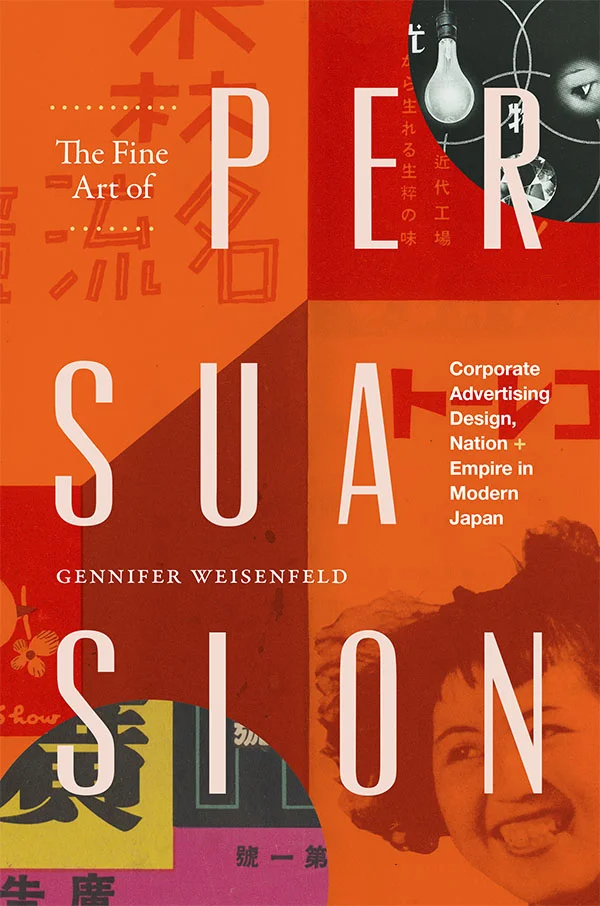

The Fine Art of Persuasion cover imageRead the Introduction

Book

Pages: 504

Illustrations: 198 color illustrations

Published: February 2025

作者及背景:


作者:珍妮佛‧魏森菲爾德是杜克大學教授,專攻日本藝術史。


意義:本書著重闡述了日本廣告如何在國際設計網絡中發揮作用,而不僅僅是被動地接受外國影響。


取得途徑:本書可透過杜克大學出版社和學術零售商購買。


杜克大學出版社


AI Overview
The Fine Art of Persuasion: Corporate Advertising Design, Nation, and Empire in Modern Japan
 by Gennifer Weisenfeld, published by Duke University Press in February 2025, analyzes the evolution of Japanese advertising from the 1900s to the 1964 Tokyo Olympics. It explores how commercial art, corporate branding, and state propaganda merged to shape national identity, consumerism, and wartime ideology. 
Key Aspects of the Book:
  • Focus: Examines the intersection of commercial graphic design, consumer capitalism, and political propaganda in Japan.
  • Timeline: Traces developments from the early 20th century through the 1964 Tokyo Olympics, highlighting the "transwar" continuities in design.
  • Themes: Covers how Japanese advertising served to build a modern nation and empire, including the use of design in militarist efforts.
  • Scope: Analyzes the role of creative design in branding a "modern, technologically advanced Japan".
  • Open Access: The book is available as an Open Access publication. 
Author and Context:
  • Author: Gennifer Weisenfeld is a professor at Duke University specializing in Japanese art history.
  • Significance: The work highlights how Japanese advertising functioned within international design networks, rather than just being a passive recipient of foreign influence.
  • Access: The book can be found through Duke University Press and academic retailers. 


人事物 於 凌晨1:43

沒有留言:

張貼留言

注意:只有此網誌的成員可以留言。

‹
›
首頁
查看網路版
技術提供:Blogger.