人工智慧概述
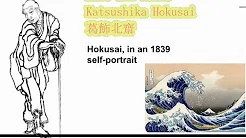
葛飾北齋的《神奈川衝浪裡》(正式名稱為《神奈川衝浪裡》)創作於江戶時代約1831-1832年,是世界上最著名的日本木版畫之一。它是其著名系列作品《富嶽三十六景》的開篇之作。
2. 為了什麼魚(場景的寓意)
鰹魚(初鰹魚):這幅版畫描繪了三艘鰹魚快艇(高速運輸船)滿載著魚——確切地說是備受追捧的初鰹魚——運往江戶(東京)市場的場景。
緊急運輸:由於鰹魚是奢侈品,速度至關重要。這些快艇的設計目的就是為了將魚從三浦半島和相模灣附近的漁港快速運送到東京。
貨物與船員:每艘船配備8名劃槳手和2名替補船員,共10人,他們的鋪蓋和裝備通常清晰可見。
3. 價格(19世紀30年代與現在的價值對比)
原價:在19世紀30年代,浮世繪版畫是價格親民的大量生產商品,面向一般民眾銷售。其價格大約相當於兩份麵條(以19世紀30年代的貨幣計算,約16-32文)。
歷史背景:當季第一批魚(圖中船隻可能載有)價格極為昂貴,通常售價約3兩-相當於今天的約12萬日圓(約845美元)。
現代價值:早期高品質的原作版畫如今在拍賣會上能拍出數百萬美元的高價。
4. 航海技巧(描繪的技法)
快艇:畫中的船隻是一種特製的高速貨運駁船,因其槳眾多,當地人稱之為「蜈蚣船」。
劃槳技巧:畫中人物並非傳統意義上的“劃槳”,而是站立劃槳(使用一根大槳以特殊的擺動方式划水),從而能夠駕馭洶湧的波濤,穿梭於巨浪之中。
在「巨浪」中求生:雖然常被誤認為是海嘯,但更可能是「巨浪」或向岸邊猛烈拍擊的大型「破碎浪」。畫中船員們“緊緊抓住槳”,展現出極高的技巧和絕望,他們試圖潛入浪尖之下,以避免船隻被巨浪擊碎。
- Creation Date: The print was produced circa 1830–1832, when Hokusai was in his early 70s.
- Time of Day: The dark sky surrounding Mount Fuji suggests the scene takes place in the early morning. The sun, rising behind the viewer in the east, has just begun to illuminate the snow-capped peak of Fuji, while the sky above holds a golden glow.
- The "Floating World": The work is part of the ukiyo-e style ("pictures of the floating world"), which celebrated the lives of ordinary people, landscapes, and pop culture.
- Bonito Fish (Hatsu Gatsuo): The print depicts three oshiokuribune (high-speed transport boats) carrying a cargo of fish—specifically, the highly coveted first catch of bonito fish, or hatsu gatsuo, back to the Edo (Tokyo) markets.
- Urgent Delivery: Because the bonito were a luxury item, speed was essential. The boats were designed to transport the fish fast from the fishing ports near the Miura Peninsula and Sagami Bay to Tokyo.
- Cargo & Crew: Each boat carries 8 rowers and 2 relief crew members, totalling 10 men, often with their bed mats and equipment visible.
- Original Cost: In the 1830s, ukiyo-e prints were affordable, mass-produced items sold to common people. It was roughly the price of a double helping of noodles (roughly 16–32 mon in 1830s currency).
- Historical Context: The first fish of the season, which the boats are likely carrying, was extraordinarily expensive, often selling for about 3 ryō—worth approximately ¥120,000 JPY ($845 USD) today.
- Modern Value: Early, high-quality original prints now sell for millions of dollars at auction.
- Oshiokuribune (Fast Barges): The ships in the painting are specialized, high-speed cargo barges that were known to locals as "centipede boats" due to their many oars.
- Sculling Technique: The men are not "rowing" in the traditional sense; they are sculling (using a single large oar in a specialized, oscillating motion) while standing, allowing them to navigate heavy seas and navigate through the wave.
- Surviving a "Rogue Wave": While often misinterpreted as a tsunami, the wave is more likely a "rogue wave" or a large "plunging breaker" breaking shoreward. The crew is shown "clinging to their oars," showing extreme skill and desperation as they attempt to dive under the crest of the wave to avoid having their boats smashed.
- Location: Off the coast of Kanagawa, looking towards Mount Fuji.
- Innovation: Hokusai pioneered the use of Prussian Blue (a newly imported, expensive, and vibrant blue pigment) which created a lasting, deep color that helped make the print famous.
- Symbolism: It represents the power of nature over human life, with the tiny, fragile fishermen defying a massive, almost supernatural wave.


Hokusai: Inspiration and Influence
Through July 16, Museum of Fine Arts, Boston, 465 Huntington Avenue, Boston; 617-267-9300; mfa.org.
How Hokusai’s Art Crashed Over the Modern World
The MFA Boston shows how one of the greatest printmakers, from Edo Japan, inspired a tidal wave of followers, from Gauguin to Lichtenstein.


21:33
葛飾北齋 熱:電影『HOKUSAI』(2021) 。漢清講堂 199: 葛飾北齋と浮世絵。「北齋:萬物繪本大全圖」Hokusai: The Great Picture Book of Everything | British Museum『知られざる北斎』 幻冬舎、2018;"北斎館(ほくさいかん)は長野県上高井郡小布施町にある美術館"的故事。大英博物館,失傳的葛飾北齋「萬物繪本大全圖」Did Hokusai invent manga?Crossing 70 years of Katsushika Hokusai北斎 幻の肉筆画~アメリカに眠る 画狂老人の魂~ - NHK
***
Hokusai: The Great Picture Book of Everything | British Museum
https://www.britishmuseum.org
Discover a collection of rare drawings by Katsushika
Sep 30, 2021 - Jan 30, 2022
Hokusai: The Great ...
【國際藝壇|北齋:萬物繪本大全圖】
從這組包羅萬象的圖畫可看出葛飾北齋如何賦予神話和佛教世界的人物可望亦可及的形象,對於外國人、動植物乃至礦物的描繪力求真實和傳神,偶爾還加入引人發噱的諧趣表現,既反映出他對大千世界的用心觀照和洞察力,也展現其透過想像的延伸來發掘「萬物」內蘊的無限世界。(撰文/朱惠慈)(節選自《藝術家》558期,2021年11月號)
https://pse.is/3qtmvh
查看更多
The Metropolitan Museum of Art, New York
This powerful graphic composition by Katsushika
According to literary accounts, Yoshitsune stopped to wash his favorite horse beneath a waterfall while fleeing from his older brother Yoritomo, who considered him a traitor for joining forces with Emperor Go-Shirakawa.
See this striking print on view in "Japan: A History of Style" through April 24. Learn more:
 Katsushika Hokusai (Japanese, 1760–1849). The Waterfall Where Yoshitsune Washed His Horse at Yoshino in Yamato Province from the series A Tour of Waterfalls in Various Provinces, ca. 1832. On view in Gallery 231.
----
British Museum
One chilly day in the shadow of Mt Fuji, a sudden gust of wind sends a straw hat spiralling into the sky

 …
…This woodblock print was made by Katsushika Hokusai. Almost like a photograph, the scene expertly captures the moment stormy weather disturbs people travelling through the marshes between Kyoto and Edo (now Tokyo).
This image is the tenth print from Hokusai’s renowned series ‘Thirty-Six Views of Mt Fuji’. Here the mountain has been drawn with a single calligraphic stroke, its stillness in contrast to the figures battling the wind

Though Fuji is the present in each of the thirty-six views, it is rarely placed front-and-centre. Hokusai took a similar approach in another famous image from the series the ‘Great Wave’, where the mountain becomes a tiny feature in the distance, being swallowed up by an enormous tide

If you’re hungry for more Hokusai, head over to our blog to learn more about the life and works of the master printmaker: http://ow.ly/jRGy50OfMF4
 Katsushika Hokusai (1760–1849), ‘Eiji in Suruga Province’ from the series ‘Thirty-six Views of Mt. Fuji’. Colour woodblock print, from Japan, 1831. Read more: http://ow.ly/iwWB50OfxL7
沒有留言:
張貼留言
注意:只有此網誌的成員可以留言。