波斯神話故事《列王紀》中「薩巫什的火之考驗」場景。《列王紀》 (The Shahnameh or Shahnama, or The Book of Kings) 的作者菲爾多西( Ferdowsi, 940年—1019/1025年);簡介《列王紀選(張鴻年譯, 1991)‧魯斯塔姆 (Rostam)與蘇赫拉布(Sohrab)的故事》
----
《列王紀》 (The Shahnameh or Shahnama, or The Book of Kings) 的作者菲爾多西( Ferdowsi, 940年—1019/1025年);簡介《列王紀選(張鴻年譯, 1991)‧魯斯塔姆 (Rostam)與蘇赫拉布(Sohrab)的故事》

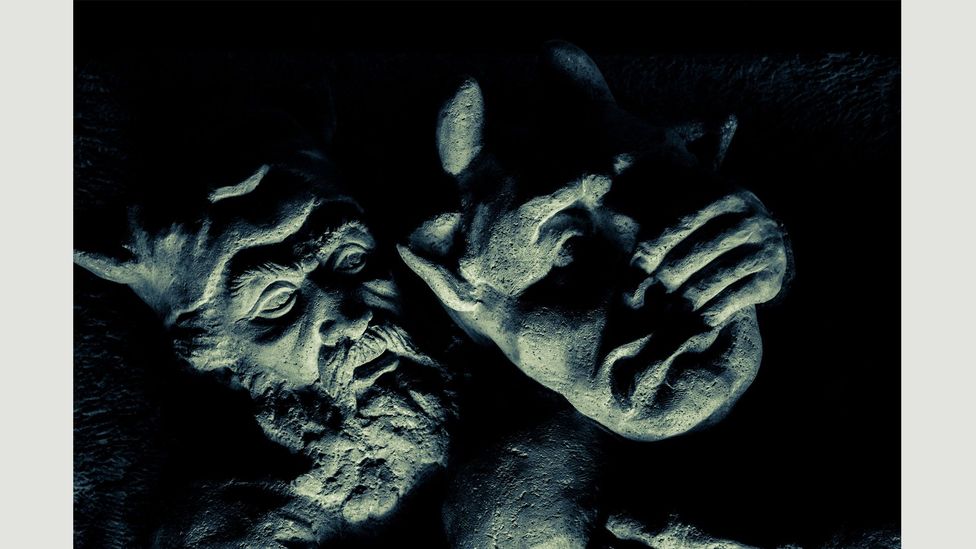
The Shahnameh is a compendium of indigenous, pre-Islamic myths, legends and historical episodes (Credit: Alamy)
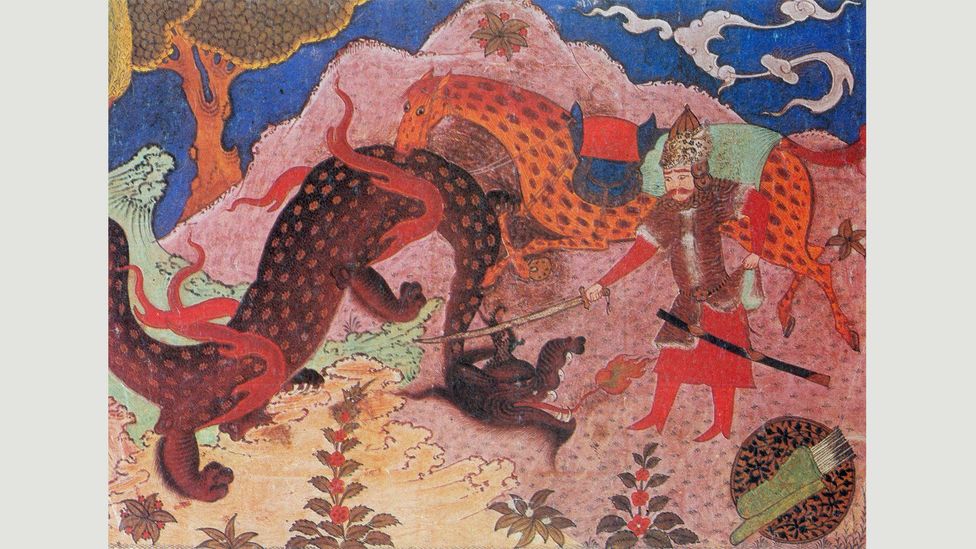
The Shahnameh’s hero Rostam battles with demons, rescues kings and undergoes seven trials (Credit: Alamy)
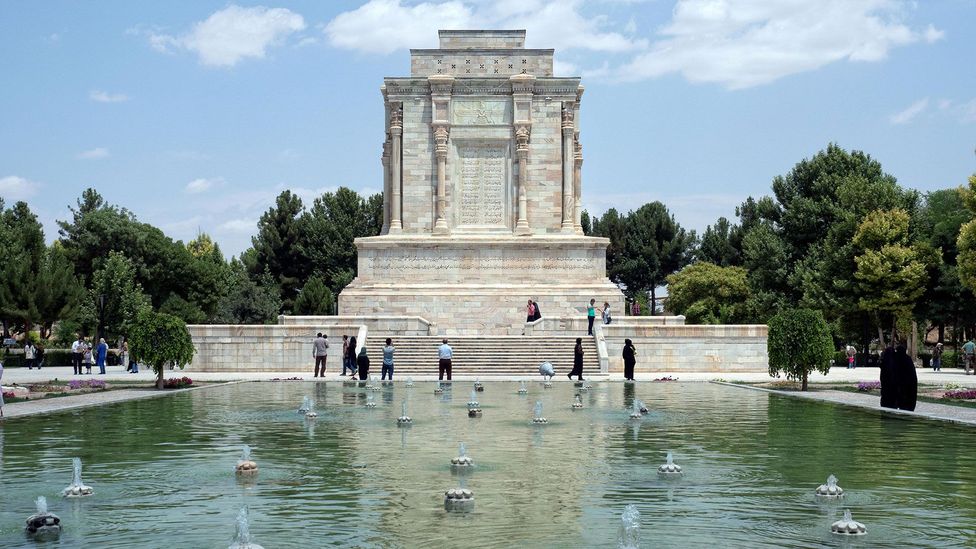
Despite being unknown in his lifetime, the poet Ferdowsi is now one of the most celebrated writers in Iran – this tomb complex was built in his honour in Tus (Credit: Alamy)
*****
《列王紀選》(張鴻年譯, 1991)主要是選其中的"四大悲劇",參考該書的目錄。《列王紀選》
作者:菲爾多西.
譯者:張鴻年.
出版:北京: 人民文學. 1991/台北:光復書局
【本書目錄】
目 次
對真主的頌詞
對智慧的頌詞
創造宇宙
創造人類
創造太陽
創造月亮
贊揚先知及四大哈里發
關于搜集《列王紀》的材料
關于詩人塔吉基的故事
開始創作
對阿卜·曼蘇爾·穆罕默德·本·阿卜杜列扎格的頌詞
對瑪赫穆德國王的頌詞
1.故事的開端
(波斯的第一個國王凱尤 瑪爾斯當政30年)
西亞瑪克死于惡魔之手
胡山與凱尤 瑪爾斯去戰惡魔
胡山(胡山當政40年)
確立圣火節
塔赫姆列斯(降妖制魔的塔赫姆列斯當政30年)
賈姆席德(賈姆席德當政700年)
佐哈克和他父親的故事
惡魔為佐哈克作廚師
賈姆席德敗亡
佐哈克(佐哈克當政1000年)
佐哈克夢到法里東
法里東出生
法里東向母親詢問身世
佐哈克與鐵匠卡維的故事
法里東前去征討佐哈克
法里東見到賈姆席德的兩個妹妹
法里東與佐哈克的大臣的故事
法里東囚禁佐哈克
法里東(法里東當政500年)
法里東派欽達爾赴也門
也門國王對欽達爾的回答
法里東的三個兒子去見也門國王
薩爾夫施法術考驗法里東的三個兒子
法里東考驗自己的三個兒子
法里東三分天下
薩勒姆對伊拉治心懷妒意
薩勒姆與土爾派人向法里東下書傳話
法里東對他兩個兒子的回答
伊拉治去見兩個哥哥
伊拉治被兩個哥哥所殺
法里東得知伊拉治被害
伊拉治的女兒降生
瑪努切赫爾誕生
2.魯斯塔姆與蘇赫拉布的故事 頁 156~291
故事的開端
魯斯塔姆外出打獵
魯斯塔姆到達薩曼岡
薩曼岡國王之女塔赫米娜夜訪魯斯塔姆
蘇赫拉布降生
蘇赫拉布挑選戰馬
阿夫拉西亞伯把包爾曼及胡曼派至蘇赫拉布軍中
蘇赫拉布進襲白堡
蘇赫拉布大戰古爾德法里德
古什達哈姆上書卡烏斯
蘇赫拉布進占白堡
卡烏斯下書魯斯塔姆
卡烏斯怒貴魯斯塔姆
卡烏斯與魯斯塔姆率兵迎敵
魯斯塔姆手刃讓德拉茲姆
蘇赫拉布向哈吉爾訊問波斯將官姓名
蘇赫拉布襲擊卡烏斯大營
魯斯塔姆與蘇赫拉布之戰
魯斯塔姆與蘇赫拉布回營
蘇赫拉布打倒魯斯塔姆
蘇赫拉布慘死于魯斯塔姆手下
魯斯塔姆向卡烏斯求藥
魯斯塔姆痛哭蘇赫拉布
魯斯塔姆返回扎別爾斯坦
蘇赫拉布之母驚悉勇士被殺
3.夏沃什的故事
故事的開端
夏沃什的母親的故事
夏沃什出生
夏沃什從扎別爾斯坦返回
夏沃什母親去世
蘇達貝愛上夏沃什
夏沃什去見蘇達貝
夏沃什二去后宮
夏沃什第三次去后宮
蘇達貝欺騙卡烏斯
蘇達貝與巫婆施毒計
卡烏斯與群臣商議如何處理死嬰一案
夏沃什勇穿火陣
夏沃什懇求父王饒恕蘇達貝
卡烏斯得知阿夫拉西亞伯來犯
夏沃什領兵出征
夏沃什致信卡烏斯
卡烏斯給夏沃什的復信
阿夫拉西亞伯從惡夢中驚醒
阿夫拉西亞伯請祭司圓夢
阿夫拉西亞伯與群臣共商大計
格西伍前去會見夏沃什
夏沃什與阿夫拉西亞伯訂約
夏沃什派魯斯塔姆見卡烏斯面告軍情
魯斯塔姆給卡烏斯送信
卡烏斯把魯斯塔姆打發回扎別爾斯坦
夏沃什接到卡烏斯回信
夏沃什與巴赫拉姆和贊格商討軍情
贊格去見阿夫拉西亞伯
阿夫拉西亞伯寫信給夏沃什
夏沃什把軍隊交給巴赫拉姆
夏沃什會見阿夫拉西亞伯
夏沃什表演球藝
阿夫拉西亞伯與夏沃什前去打獵
皮蘭把女兒嫁給夏沃什
皮蘭對夏沃什提起法蘭吉斯
皮蘭與阿夫拉西亞伯議事
法蘭吉斯與夏沃什成親
阿夫拉西亞伯給夏沃什分封國土
夏沃什建造岡格城
夏沃什對皮蘭預言后事
阿夫拉西亞伯派皮蘭去收取賦稅貢物
夏沃什修建夏沃什城
皮蘭造訪夏沃什城
阿夫拉西亞伯派格西伍去看望夏沃什
夏沃什之予法魯德誕生
夏沃什打馬球
格西伍施挑撥離間計
格西伍再次去見夏沃什
夏沃什致函阿夫拉西亞伯
夏沃什致阿夫拉西亞伯的信文
夏沃什的惡夢
夏沃什對法蘭吉斯的勸告
夏沃什為阿夫拉西亞伯所執
法蘭吉斯哭求阿夫拉西亞伯
夏沃什被格拉維殺害
4埃斯凡迪亞爾與魯斯塔姆的故事
故事的開端
埃斯凡迪亞爾向父親要王位
卡什塔斯帕對兒子的回答
克塔永對埃斯凡迪亞爾的勸告
埃斯凡迪亞爾領兵赴扎別爾
埃斯凡迪亞爾派巴赫曼去見魯斯塔姆
巴赫曼會見扎爾
巴赫曼傳話給魯斯塔姆
魯斯塔姆對巴赫曼的回答
巴赫曼返回埃斯凡迪亞爾大營
魯斯塔姆會見埃斯凡迪亞爾
埃斯凡迪亞爾未邀魯斯塔姆前去作客
埃斯凡迪亞爾由于未邀魯斯塔姆赴宴而向他致歉
埃斯凡迪亞爾責魯斯塔姆出身不正
魯斯塔姆回答埃斯凡迪亞爾并歷數自己的世系及功勛
埃斯凡迪亞爾夸耀自己的出身
魯斯塔姆夸耀自己的業績
魯斯塔姆與埃斯凡迪亞爾對飲
魯斯塔姆回到自己宮中
扎爾對魯斯塔姆的勸告
魯斯塔姆與埃斯凡迪亞爾開戰
埃斯凡迪亞爾的兩個兒子死于扎瓦列與
法拉瑪茲之手
魯斯塔姆逃到山上
魯斯塔姆與家人共商對策
神鳥為魯斯塔姆出謀劃策
魯斯塔姆與埃斯凡迪亞爾再次開戰
魯斯塔姆射中埃斯凡迪亞爾雙眼
埃斯凡迪亞爾對魯斯塔姆的勸告
帕舒坦把埃斯凡迪亞爾的靈柩運回交給什塔斯帕
魯斯塔姆把巴赫曼送回波斯
我們三言兩語帶過:
The tragedy of Sohrab (BBC)

 Enlarge
Rostam was unaware that he had a son, Sohrab, by Princess Tahmina. He had not seen the Princess for many years. After years without any real knowledge of one another, Rostam and Sohrab faced each other in battle, fighting on opposing sides. Rostam did not recognise his own son, although Sohrab had suspicions that Rostam may be his father.
They fought in single combat and Rostam wrestled Sohrab to the ground, stabbing him fatally. As he lay dying, Sohrab recalled how his love for his father – the mighty Rostam - had brought him there in the first place. Rostam, to his horror, realised the truth. He saw his own arm bracelet on Sohrab, which he had given to Tahmina many years before and which Tahmina had given to Sohrab before the battle, in the hope that it might protect him.
But he realised the truth too late. He had killed his own son, ‘the person who was dearer to him than all others’. This is one of the most tragic episodes of the Shahname.
****紐約時報Khaled Hosseini: By the Book
June 18, 2013你童年時喜歡哪個文學人物或主人公?菲爾多西(Ferdowsi)在11世紀寫的《國王之書》 (Shahnameh, or The Book of Kings)中偉大的悲劇武士索拉博(Sohrab)。那本書是波斯語經典詩歌皇冠上的一顆明珠。索拉博是偉大的武士魯斯塔姆(Rostam)的兒子,不 過兩人從未謀面。索拉博帶領軍隊出發,想給父親帶來榮耀,為父親贏得王位,但是戰鬥中的對手其實是他的父親。在故事的最後一幕,魯斯塔姆得知他親手刺成重 傷的人竟是自己的兒子,他抱住了奄奄一息的索拉博,那一幕給人的情感震撼真是無可比擬的。Do you have a favorite childhood literary character or hero?The tragic Sohrab, the great warrior from Ferdowsi’s 11th-century “Shahnameh” (“The Book of Kings”), one of the crown jewels of classic Persian poetry. Sohrab is the son of the great warrior Rostam, though the two have never met. Sohrab sets out with an army to bring glory to his father and win him the crown, only to come face to face with him in battle. The last scene of that particular story, Rostam holding Sohrab’s dying body, moments after he has learned the true identity of the man he has mortally wounded with his own sword, is unparalleled in the emotional wallop it packs.Khaled Hosseini: By the Book
June 18, 2013
《列王紀選‧魯斯塔姆與蘇赫拉布的故事》
列王紀 菲爾多西 著《列王紀選》張鴻年 譯 (1991)Shahnameh, The Book of Kings by Ferdowsi
Shahnameh: The Epic of the Persian Kings
https://iranwire.com/en/features/45
ShahnamehThe Book of Kings
by Ferdowsi.jpg)
Bahram Gur and Courtiers Entertained by Barbad the Musician (from a manuscript in the Brooklyn Museum)
Original title شاهنامه
Written 977–1010 CE
Country Iran
Language Classical Persian
Subject(s) Persian mythology, history of Iran
Genre(s) epic poem
Meter Lines of 22 syllables with two rhyming couplets in the same metre (bahr-i mutaqarib-i mahzuf)[1]
Publication date 1010
Published in English 1832
Media type manuscript
Lines c. 50,000 depending on manuscript
Preceded by Khwaday-Namag
Read online "Shahnameh" at Wikisource_Abu%27l_Qasim_Firdausi_(935%E2%80%931020).jpg)
Shahnameh (Book of Kings) Abu'l Qasim Firdausi (935–1020)
The Shahnameh or Shahnama (Persian: شاهنامه, romanized: Šāhnāme pronounced [ʃɒːhnɒːˈme]; lit. ' 'The Book of Kings'')[a] is a long epic poem written by the Persian poet Ferdowsi for Sultan Mahmud of Ghazni[2] between c. 977 and 1010 CE and is the national epic of Greater Iran. Consisting of some 50,000 "distichs" or couplets (two-line verses),[3] the Shahnameh is one of the world's longest epic poems. It tells mainly the mythical and to some extent the historical past of the Persian Empire from the creation of the world until the Muslim conquest in the seventh century. Iran, Azerbaijan, Afghanistan, Tajikistan and the greater region influenced by Persian culture such as Armenia, Dagestan, Georgia, Turkey, Turkmenistan and Uzbekistan celebrate this national epic.[4]
The work is of central importance in Persian culture and Persian language, regarded as a literary masterpiece, and definitive of the ethno-national cultural identity of Iran.[5] It is also important to the contemporary adherents of Zoroastrianism, in that it traces the historical links between the beginnings of the religion and the death of the last Sasanian emperor, which brought an end to the Zoroastrian influence in Iran.
Faramarz, son of Rostam, mourns the death of his father, and of his uncle, Zavareh.
Contents1Composition
2Content2.1Mythical age
2.2Heroic age
2.3Historical age
2.4Message
3Influence on Persian language
4Cultural influence4.1On Georgian identity
4.2On Turkic identity
5Legacy5.1Biographies
5.2Poets
5.3Persian historiography
6Illustrated copies
7Modern editions7.1Scholarly editions
7.2Arabic translation
7.3English translations
7.4Other languages
8In popular culture
9See also
10Notes
11References
12Sources
13Further reading13.1Persian text
13.2Adaptations
14External links
https://en.wikipedia.org/wiki/Shahnameh
維基百科 列王紀、
一本《列王紀》古卷的精美封面
《諸王之書》,亦稱為《王書》、《列王書》、《諸王書》(波斯語:شاهنامه、Šāhnāmeh;即《諸王之書》),是波斯民族的史詩。《列王紀》由10世紀末及11世紀初期的著名波斯詩人菲爾多西用波斯文所著,長約6萬多聯押韻對句(共12萬多行),[1]記錄了從遠古神話時期到7世紀的波斯薩珊王朝滅亡這4000多年間的波斯帝國的神話傳說和歷史故事,以及50多位帝王的統治。這部史詩被稱為是波斯古代社會生活的百科全書,對波斯語言和文化在阿拉伯人統治時期能夠得以保存起了重要作用,是伊朗民族的文化認同中重要的一部份。[2]《列王記》不僅在波斯文學中具有重要地位,對中亞其他民族的文學也有明顯的影響。[3]
目次1歷史
2內容
3傳播和影響
4插畫本
5其他
6參考資料6.1注釋
6.2參考書目
7延伸閱讀
8外部連結
Baysonghori版《列王紀》中的插畫。
《列王紀》的插畫本是波斯細密畫最華麗的範例。最精美的版本是藏於大都會藝術博物館的霍頓版,是在16世紀初由伊朗王塔赫馬斯普下令製成的。[11]雖然有幾個《列王紀》插圖本是完整的,但最著名的兩個插圖本(霍頓版和大蒙古版)卻在20世紀被分成多頁出售。霍頓版的有一頁在2006被賣出過£904,000的高價。[12]泥金裝飾手抄本的Baysonghori版《列王紀》(伊朗古列斯坦皇宮)還被包括在UNESCO的世界記憶項目中的文化遺產部分。[13]大蒙古版《列王紀》是在伊兒汗國不賽因的統治時期製成的,是插圖最多的和最重要的版本之一。[14]
An image illustrating the parable of the ship of faith from the Houghton Shahnameh (Metropolitan Museum of Art)
書 《列王紀選》(伊朗)菲

沒有留言:
張貼留言