- 中共(中國共產黨): 作為發起認知作戰的主體,中共利用其國安、網信辦及解放軍戰略支援部隊(如「網軍」或三戰基地),向境外(特別是臺灣)進行非對稱的資訊戰。
- 認知作戰(Cognitive Warfare): 一種「不戰而屈人之兵」的心理戰術。中共不透過實體軍事衝突,而是透過操弄真假混雜的資訊,去改變目標群體的思維方式、價值觀、情感與行為,進而達到弱化抵抗意志、深化內部對立的目的。
- 陰謀論(Conspiracy Theories): 認知作戰中最強大的武器之一。陰謀論通常會利用民眾對體制、政府或權威的不信任,將複雜的社會事件簡化為「幕後黑手(如美國、特定財團)的秘密操縱」。因為難以證偽且帶有強烈情緒,非常容易引發病毒式傳播。
- 密訊網站(內容農場/隱密傳播管道): 指的是缺乏新聞倫理、不揭露真實負責人或編輯背景的「內容農場」或「封閉式通訊軟體群組(如 LINE、Telegram)裡的資訊來源」。過去最著名的例子如「密訊(Mission)」等內容農場網站。
- 製造節點(協力密訊網站): 中共或其在台的在地協力者,建立大量的「密訊網站」或內容農場。這些網站平時轉載軟性、娛樂生活文章吸流量,但在關鍵時刻(如選舉、疫情、天災)就會轉化為政治宣傳工具。
- 包裝武器(炮製陰謀論): 針對社會熱點(例如:台灣缺糧/缺電、台美軍售、疫苗採購、地緣政治衝突),中共宣傳部門會混淆部分真實數據,炮製出「美國把台灣當棋子/炮灰」、「台灣政府用疫苗做人體實驗」等強烈引發恐懼或憤怒的陰謀論。
- 隱蔽洗腦(認知作戰落實): 這些陰謀論被大量發布在密訊網站上。隨後,透過大量機器人帳號(網軍)、在地協力者、或不知情的熱心民眾,將文章或圖卡轉發至 LINE 群組、Facebook 粉絲專頁或 PTT。
- 瓦解信任(最終目標): 當民眾長期接觸這類資訊,便會逐漸對民主體制、自由媒體、甚至台美同盟產生動搖與懷疑。當社會陷入全面猜忌、共識瓦解時,中共的認知作戰便宣告成功。
- 作者:內田和成
- 原文作者:Kazunari Uchida
- 譯者:林慧如
- 出版社:經濟新潮社
- 出版日期:2010年07月09日
每天一睜開眼睛,就有大小問題等著自己解決,偏偏每一個問題、每一件事情的狀況並不明朗,很難做出判斷。於是,開始蒐集大量資訊,以為資訊愈多、愈能做出萬無一失的決策——你,是否也有這樣的習慣?
面臨狀況不明、資料不足的情形,究竟應該具備什麼能力,才可以前瞻未來、做出決策?答案是——假說思考。
★ 什麼是假說思考?
以結論為起點的思考方式,就是假說思考。
一般工作者面臨解決問題、進行決策之際,經常漫無邊際蒐集資料,然後進行分析、歸納,最後才做出決策。但是,這種方法耗時又費力,不僅拖延時間,甚至無法達到預期的效果。
波士頓顧問公司(The Boston Consulting Group,簡稱BCG)內部有一套發現問題、解決問題的假說思考法,培養員工「以結論為起點進行思考」的能力,凡事養成先有答案再進行證明,以有限的資 訊做出最適決策,如此一來,就能在期限之內完成工作,兼顧效率與效果。
本書作者內田和成曾任BCG日本分公司負責人,他主張先有假說、 推想可能的答案,再找能夠證明這項假說的資料進行驗證與分析,能幫助我們縮小選擇的範圍,勇於捨去與假說無關的資料。如此一來,不僅能夠減少作業量,也能 在期限之內完成工作;更能在狀況不明、資訊有限的情形之下,發現問題、做出最適決策進而解決問題。
★本書能帶來的閱讀利益:
學會假說思考的技巧,能以3倍速解決問題、達成績效,兼顧效率與效果。
本書作者內田和成在本書中,以具體案例說明如何以假說思考法建立假說、驗證假說與進化假說,分享如何加快解決問題的速度、減少作業量,又能拿出績效的祕訣。
★本書適合哪些人閱讀?
不妨做個小測驗:
1.我習慣蒐集許多資料、詳加分析之後,才遲遲做出決策。
2.我對於各種資訊都有興趣,常在茫茫的資訊大海中迷航。
3.我自認(或曾被人說過)「過度注重旁枝末節」。
4.我想加快工作速度,期限之前完成工作。
如果上述描述中,有任何一種符合你的情形,你就是本書的目標讀者。
★本書的關鍵字
1.波士頓顧問公司
2.假說驅動管理(hypothesis-driven management)
3.解決問題
4.發現問題
5.所以呢(So what?)
6.為什麼(Why?)
★這本書跟哪些領域有關?
思考 / 邏輯思考 / 發現問題 / 解決問題 / 決策(decision-making) / 最適決策(optimal decision) / 直覺判斷 / 效率工作術
★關於BCG
波士頓顧問公司(The Boston Consulting Group,簡稱BCG)成立於1963年,為全球三大顧問公司之一,以BCG矩陣(BCG Matrix)、經驗曲線(BCG Experience Curve)聞名於世,BCG目前(2010年6月)在全球40個國家有69個分公司。2009年,BCG榮獲《財星》雜誌(FORTUNE)美國百大最 佳就業公司(100 best companies to work for)第三名。
作者簡介
內田和成 Kazunari Uchida
波士頓顧問公司資深副總裁兼董事。2000年6月至2004年12月期間擔任日本地區負責人。東京大學工學部畢業,慶應義塾大學經營學碩士 (MBA)。曾任職日本航空(JAL),而至現職。歷年來參與許多高科技產業、資訊通訊服務產業與汽車產業有關行銷策略、新興事業發展策略、中長期策略、 全球化策略之規劃與執行的專案計畫。2006年,被美國《顧問》(Consulting)雜誌評為「全球最有影響力的25位諮詢顧問之一」。2006年4 月起獲聘早稻田大學商學學術院教授。著作包括《解構經營革命》(日本能率協會管理中心)、《從「量」的經營邁向「質」的經營》(共同著作,東洋經濟新報 社)等。
譯者簡介
林慧如
神戶大學 經營學研究所,輔仁大學翻譯研究所畢,現為自由譯者。譯作包括《我這樣改造命運》(先覺出版)、《教出耀眼的孩子──快樂育兒書》(如何出版)、《路是無 限寬廣》(圓神出版)、《豐田智慧》、《伊斯蘭金融大商機》(經濟新潮社出版)等。郵件信箱:trans.jppro@gmail.com
編譯監修者簡介
徐瑞廷
台灣大學電機工程系學士,史丹福大學電機工程碩士及聖塔克拉拉大學企管碩士,現任波士頓顧問公司(BCG)董事經理,目前任職於BCG上海辦公室。歷年 參與許多高科技與電信產業相關中長期策略、商業模式與全球化策略之規劃與執行專案,為BCG全球競爭優勢小組(BCG Global Advantage)核心成員,曾任職於BCG香港、台北、名古屋辦公室。郵件信箱:Hsu.JT@BCG.com


The BCG Way: The Art of the Hypothesis Driven Management
Many business people believe that, the more information you have, the better and more absolute correct decisions you can make. In fact, once the information is excessive, the decision-making will be delayed. Omitting information is more important than obtaining information. When information is limited or no further analysis is made, you should have already had your answer. This assumed answer is the hypothesis. Hypothesis-driven is to consider the issue from the answer and find the best solution in the shortest time. Therefore, business people shall overcome the habit of dare not make decision with limited information. They shall use hypothesis boldly, in order to improve efficiency and quality.
- What Is the Hypothesis-driven Thinking
- Having the Hypothesis First
- Using the Hypothesis
- Building the Hypothesis
- Validating the Hypothesis
- Improving the Hypothesis-driven Thinking
- Conclusion

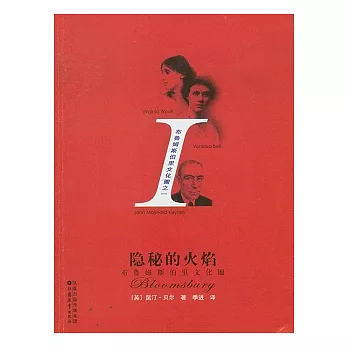
 Vanessa Bell was a leading British modernist and a founding member of the Bloomsbury Group.
 “Bowl,” a small table or stool decorated by Vanessa Bell circa 1950.Credit...Charleston Trust