2026年1月26日 星期一

杜威(1859~1952)《藝術即經驗》ART AS EXPERIENCE BY JOHN DEWEY 第一章活的生物 THE LIVE CREATURE 帕德嫩神殿被公認為一件偉大的藝術作品。然而,它的美學價值只有在它成為人類的一種體驗時才得以體現.....。他們的公民意識與公民宗教緊密相連,帕德嫩神殿正是他們這種體驗的表達,他們建造這座神廟並非為了將其視為藝術品,而是為了紀念他們。 。漢清講堂170 Parthenon ( 《希臘雅典衛城之謎:古希臘雅典人的世界》):Who Owns the Elgin Marbles? Why democracy thrives in some places and not in others? 。漢清講堂170 《希臘雅典衛城之謎:古希臘雅典人的世界》 Parthenon:Who Owns the Elgin Marbles? Why democracy thrives in some places and not in others?


        杜威《藝術即經驗》ART AS EXPERIENCE BY JOHN DEWEY第一章活的生物THE LIVE CREATURE  帕德嫩神殿被公認為一件偉大的藝術作品。然而,它的美學價值只有在它成為人類的一種體驗時才得以體現.....。他們的公民意識與公民宗教緊密相連,帕德嫩神殿正是他們這種體驗的表達,他們建造這座神廟並非為了將其視為藝術品,而是為了紀念他們。  。漢清講堂170  Parthenon (  《希臘雅典衛城之謎:古希臘雅典人的世界》):Who Owns the Elgin Marbles? Why democracy thrives in some places and not in others?
    杜威《藝術即經驗》第一章活的生物    。漢清講堂170  Parthenon (  《希臘雅典衛城之謎:古希臘雅典人的世界》):Who Owns the Elgin Marbles? Why democracy thrives in some places and not in others?

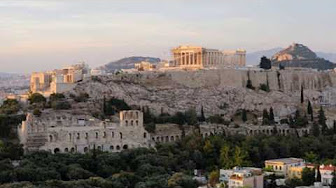
帕德嫩神殿被公認為一件偉大的藝術作品。然而,它的美學價值只有在它成為人類的一種體驗時才得以體現。

如果一個人想要超越個人的欣賞,去建構關於這座建築所代表的龐大藝術體系的理論,那麼他必須在思考的某個時刻,將目光從帕德嫩神廟轉向那些熙熙攘攘、爭論不休、情感敏銳的雅典公民。

他們的公民意識與公民宗教緊密相連,帕德嫩神殿正是他們這種體驗的表達,他們建造這座神廟並非為了將其視為藝術品,而是為了紀念他們。

這種轉向,是將他們視為有需求的人,

他們的需求促使人們建造了這棟建築,並在其中得到了滿足;這並非像社會學家為了尋找與其研究目的相關的素材而進行的考察。

試圖對帕德嫩神廟所體現的美學體驗進行理論探討的人,必須意識到,那些與神廟融為一體的人們,作為創造者和對神廟感到滿意的人,與我們自己家中和街上的人們,在思想上有什麼共同之處。

為了理解美學的最終和公認的形式,必須從其原始狀態入手;從那些吸引人們目光和耳朵的事件和場景開始,喚起人們的興趣,並在人們觀看和聆聽時給予愉悅:那些吸引人群的景象——呼嘯而過的消防車;機器在地面上挖掘巨大的坑洞;人類經驗中的藝術之源,唯有觀察者才能領悟:

棒球選手的緊張優雅如何感染著圍觀的人群;

注意到家庭主婦照顧花草時的喜悅,以及 丈夫專注地照顧屋前綠地的神情;旁觀者撥弄爐火上燃燒的木柴,觀看跳躍的火焰和 崩落的煤炭,才能體會。如果問及這些人行為的原因,

他們無疑會給出合理的答案。

撥弄燃燒木柴的人會說,他這樣做是為了讓火燒得更旺;但他仍然被

眼前上演的絢麗多彩的變化所吸引,並

充滿想像力地參與其中。他並非冷漠的旁觀者。柯勒律治對詩歌讀者的評價,某種程度上也適用於所有

樂於沉浸於身心活動的人:「
讀者應該被推動前進,並非僅僅或主要被

好奇心的機械衝動所驅動,並非被急於找到

最終答案的渴望所驅使,而是被旅程本身的愉悅所驅動。 」
By common consent, the Parthenon is a great work of
art. Yet it has esthetic standing only as the work becomes an
experience for a human being. And, if one is to go beyond per
sonal enjoyment into the formation of a theory about that large
republic of art of which the building is one member, one has to
be willing at some point in his reflections to turn from it to the
bustling, arguing, acutely sensitive Athenian citizens, with civic
sense identified with a civic religion, of whose experience the
temple was an expression, and who built it not as a work of art
but as a civic commemoration. The turning to them is as human
beings who had needs that were a demand for the building and
that were carried to fulfillment in it; it is not an examination
such as might be carried on by a sociologist in search for material
relevant to his purpose. The one who sets out to theorize about
the esthetic experience embodied in the Parthenon must realize
in thought what the people into whose lives it entered had in
common, as creators and as those who were satisfied with it, with
people in our own homes and on our own streets.
In order to understand the esthetic in its ultimate and
approved forms, one must begin with it in the raw; in the events
and scenes that hold the attentive eye and ear of man, arous
ing his interest and affording him enjoyment as he looks and
THE LIVE CREATURE 5
listens: the sights that hold the crowd—the fire-engine rushing
by; the machines excavating enormous holes in the earth; the
human-fly climbing the steeple-side; the men perched high in air
on girders, throwing and catching red-hot bolts. The sources of
art in human experience will be learned by him who sees how
the tense grace of the ball-player infects the onlooking crowd;
who notes the delight of the housewifein tending her plants, and
the intent interest of her goodman in tending the patch of green
in front of the house; the zest of the spectatorin poking the wood
burning on the hearth and in watching the darting flames and
crumbling coals. These people, if questioned as to the reason for
their actions, would doubtless return reasonable answers. The
man who poked the sticks of burning wood would say he did it
to make the fire burn better; but he is nonethe less fascinated by
the colorfuldramaof changeenactedbefore his eyes and imagina
tively partakes in it. He does not remain a cold spectator. What Coleridge said of the reader of poetry is true in its way of all who are happily absorbed in their activities of mind and body: "The reader should be carried forward, not merely or chiefly by the
mechanical impulse of curiosity, not by a restless desire to arrive at the final solution, but by the pleasurable activity of the journey itself."

《》
帕德嫩  

in the highest of achievement of the applied arts, be they are the Parthenon or the Ronchamp or the Bacelona Chair


https://www.facebook.com/hanching.chung/videos/399536851779414

向曾學長致敬 2021. 2017 Parthenon (希臘雅典衛城之謎) 漢清講堂170:Who Owns the Elgin Marbles? Why democracy thrives in some places and not in others? Murphy Tseng 前往雅典──從 San Francisco


https://www.youtube.com/watch?v=X-CXlgR90Po


23:51NOW PLAYING


170 Parthenon (希臘雅典衛城之謎) 2017-06-15 鍾漢清
https://www.youtube.com/watch?v=X-CXlgR90Po

170 Parthenon (希臘雅典衛城之謎) 2017-06-15 鍾漢清


****


Murphy Tseng


Acrópolis


To find out why early democracy occurred where it did, David Stasavage draws on evidence from archaeology, soil science, demographics and climate studies
ECONOMIST.COM
Why democracy thrives in some places and not in others
Beginner's luck


Who Owns the Elgin Marbles?
By BRUCE BOUCHER


In “The Real Life of the Parthenon,” Patricia Vigderman visits classic sites of the ancient world, exploring their complex, contested heritage.


AD Classics: Acropolis of Athens / Ictinus, Callicrates, Mnesikles and Phidias

ARCHDAILY.COM

23:51


2018 書展期間的書故事

書展;我選的2017年最佳書是: 書名: 帕德嫩之謎:古希臘雅典人的世界 / The Parthenon Enigma: A New Understanding of the West's Most Iconic Building and the People who ...

HCBOOKS.BLOGSPOT.PE


170 Parthenon (希臘雅典衛城之謎) 2017-06-15 鍾漢清

hc iTaiwan forum

希臘雅典衛城(The Acropolis of Athen)的神殿( Parthenon) 每四年雅典人便會舉行泛雅典娜節,其與奧林匹克運動會的重要度相約。


    杜威《藝術即經驗》第一章活的生物    。漢清講堂170  《希臘雅典衛城之謎:古希臘雅典人的世界》 Parthenon:Who Owns the Elgin Marbles? Why democracy thrives in some places and not in others?


《》
帕德嫩  

in the highest of achievement of the applied arts, be they are the Parthenon or the Ronchamp or the Bacelona Chair


https://www.facebook.com/hanching.chung/videos/399536851779414

向曾學長致敬 2021. 2017 Parthenon (希臘雅典衛城之謎) 漢清講堂170:Who Owns the Elgin Marbles? Why democracy thrives in some places and not in others? Murphy Tseng 前往雅典──從 San Francisco


https://www.youtube.com/watch?v=X-CXlgR90Po


23:51NOW PLAYING


170 Parthenon (希臘雅典衛城之謎) 2017-06-15 鍾漢清
https://www.youtube.com/watch?v=X-CXlgR90Po

170 Parthenon (希臘雅典衛城之謎) 2017-06-15 鍾漢清


****


Murphy Tseng


Acrópolis


To find out why early democracy occurred where it did, David Stasavage draws on evidence from archaeology, soil science, demographics and climate studies
ECONOMIST.COM
Why democracy thrives in some places and not in others
Beginner's luck


Who Owns the Elgin Marbles?
By BRUCE BOUCHER


In “The Real Life of the Parthenon,” Patricia Vigderman visits classic sites of the ancient world, exploring their complex, contested heritage.


AD Classics: Acropolis of Athens / Ictinus, Callicrates, Mnesikles and Phidias

ARCHDAILY.COM

23:51


2018 書展期間的書故事

書展;我選的2017年最佳書是: 書名: 帕德嫩之謎:古希臘雅典人的世界 / The Parthenon Enigma: A New Understanding of the West's Most Iconic Building and the People who ...

HCBOOKS.BLOGSPOT.PE


170 Parthenon (希臘雅典衛城之謎) 2017-06-15 鍾漢清

hc iTaiwan forum

希臘雅典衛城(The Acropolis of Athen)的神殿( Parthenon) 每四年雅典人便會舉行泛雅典娜節,其與奧林匹克運動會的重要度相約。


沒有留言:

網誌存檔