

Cherese CartlidgeCherese Cartlidge
Charles ClarkCharles Clark
关注
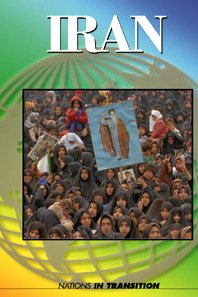
Iran (Nations in Transition) 图书馆装订 – 插图版, 2002年 10月 1日
英语版本 Charles Clark (作者)"students will find Clark's political history valuable, readable, and enlightening." -- "School Library Journal" (January 2003)
Looks at radical changes in social and political life in Iran throughout its history.
Kenneth Clark's magnificent 1969 series Civilisation is one example. The subtitle of the series – note – was “a personal view”. And Clark ..
---
The BBC has gone to war on our civilisation

There are many things that are remarkable about our civilisation. One of the more curious is that we have become the first civilisation in history that is taught to despise everything that is ours and venerate anything that is not. But there was a time, not very long ago, when a different approach was possible. Kenneth Clark’s magnificent 1969 series Civilisation is one example.
The subtitle of the series – note – was “a personal view”. And Clark, despite his extraordinary learning and erudition, was careful throughout to emphasise this point. It was not just a Western view or a European view, but his view. If that was meant to forestall the malevolent critics who have come along since, it has failed.
A few years ago, the BBC did a new version of Civilisation, using a number of historians trying to tell multiple stories. The whole thing was a mess. Any attempt to sum up something so vast is not going to please everyone or be capable of taking everything in. Clark knew that fact and bowed to it. His successors seemed to be dimly aware of it and then sploshed around in the resulting mess.
----
《經濟學人》2026年3月7日的封面文章《一場沒有戰略的戰爭》嚴厲批評了川普政府在與伊朗的軍事衝突中衝動且難以預測的做法。該刊物指出,儘管美國擁有壓倒性的軍事優勢,但缺乏明確的戰爭目標,存在引發區域混亂的風險,並且缺乏長期計畫。
希臘理性世界的邊緣. § 赫勒斯滂(Hellespont). 公元前515 年的赫勒斯滂(今達達尼爾海峽the. Dardanelles Strait),正處於一個關鍵的戰略轉折.
//當希臘作為自由代表被歌頌時,我們是否會想起其實斯巴達也是有奴隸的國家,而且斯巴達還是第一個奴役其他希臘城邦的希臘城邦。除了自己以外皆為外人,對斯巴達來說是如此,對雅典來說也是如此。真相總是如此弔詭,有時更難讓人接受。在大眾文化的口味之下,這些不愉快的枝微末節總是被刻意排毒忽略,若要認識真正的歷史,我們就必須放下這些成見,重新面對歷史。
在《波希戰爭:499-449 BC第一個世界帝國及其西征》中,作者湯姆.霍蘭嘗試以中立的角度重新檢視波斯與希臘文化,將焦點放在波希戰爭與其中三個主角:波斯、斯巴達與雅典身上,從它們各自的起源與歷史開始探討。這場戰爭的成敗並不是因為誰比較優秀或是誰是正義與正確的,只是天時地利人和等諸多原因所造成的結果。
以中立的的角度看待這個主題之所以重要,是因為目前這段歷史大部分的史料都來自希臘,作為多年戰爭的對象,加上希臘的排外優越感,這些史料的公正性常被質疑,即使是希羅多德相對中立的作品都不見得能夠全盤相信。反觀波斯自身的史料卻極度缺乏,波斯歷史就是這樣一處五里霧,歷史學家只能從各個斷片中拼湊出可能的樣貌。//
John Lewis Gaddis 著《大戰略》:伊朗古代稱波斯,《大戰略》開場就以古波斯-希臘大戰/人物開場:
第一章 橫越赫勒斯滂
透過分析其他人如何掌控邏輯思考和領導力,我們能儲備面對未來大業的能量。
刺蝟與狐狸/阿爾達班VS.薛西斯一世/思考方式影響預測正確與否/凡人切勿妄自尊大/刺蝟的行事風格/頂級智力......
//.....在這種資訊爆量、情緒化判讀充斥的年代,田中孝幸上個月剛出版的《世界を解き明かす 地政學》被視為一套能把複雜國際新聞「拆成結構」的工具。書中主張不要只盯著政治領袖的言行或口號,而要回到更難改變的限制。海權國家與陸權國家的恐懼落差、核武器嚇阻背後對「深海」的渴望,以及像日本這樣身處舞台的國家如何被「能改規則的行動者」牽動。這種論述方式讓中東的能源海上咽喉,台海與第一島鏈的對抗,甚至社群媒體上的認知作戰,都能放進同一張地圖裡理解。
田中的核心觀點之一,是把「海權國家」與「陸權國家」的對立,重新拉回到政權生存的心理機制。海權強國依靠海洋屏障與全球航道優勢,往往擁有更高的安全感與調度彈性;相對地,幅員遼闊、邊境漫長的陸權大國常背負沉重的防衛成本,更容易產生「外力滲透導致內部動亂」的深層焦慮。當這種不安與威權體制的正當性危機疊加,政權就可能用更強硬的對外姿態來鞏固內部,哪怕經濟代價高昂也在所不惜。
更尖銳的切入點,則是「核武大戰略」如何把地理變成硬需求。書中用冷靜的角度講出一件常被忽略的事,核武嚇阻要成立,必須有可靠的第二擊能力,而能藏在深海、避免被追蹤的戰略核潛艦是關鍵。問題在於,中國近海的東海、黃海多為淺海大陸棚,面對美日反潛網路更顯脆弱;要讓核嚇阻更穩固,就需要把南海塑造成更安全的「內海」,再把力量投射到更深、更廣的太平洋。這也讓台灣與琉球群島不只是地圖上的島嶼,而是淺海通往深海的門鎖位置。當「深海」變成國家安全的底層需求,台海周邊的軍事演訓就不只是一時的政治姿態,而像在為空間控制做反覆彩排。
在此框架下,日本被放進一個不太舒服的定位。它多半是「舞台」,而不是能重寫規則的「行動者」。美國作為能主導秩序的行動者,政策轉向常由內政需求驅動。現在、美國總統川普,他以交易思維處理同盟與衝突的風格更容易出現急轉彎,讓站在前線的日本承受震盪。如果日本只等待美國做決定,便會在每次地殼變動中被動吸收衝擊,國家與企業的風險控管也很難真正做到「可持續」。
把鏡頭拉到中東,田中提出的「刺蝟國家」概念在2026年的危機中顯得格外殘酷。國土狹小、缺乏戰略縱深的國家,一旦讓對手的重大攻擊落到本土核心區域,政治中樞與基礎設施可能在短時間內癱瘓,國家存亡就被押上賭桌。基於這種生存條件,刺蝟國家的防衛思維往往走向「先發制人」或「預防性打擊」,在外界看來近乎非妥協,卻能在其內部邏輯中被解釋為不得不做的選項。以色列對伊朗的軍事行動,便被放進這個結構中理解:它將伊朗核計畫與周邊親伊朗武裝的壓力,視為已經逼近的致命威脅,因此更願意冒著國際譴責與制裁風險採取強硬手段。
刺蝟國家的衝突一旦升級,影響很快就從安全議題擴散到全球市場。荷姆茲海峽是能源運輸的關鍵咽喉,全球石油消費量約兩成的運輸路徑與此相關。當伊朗相關訊息釋出「不允許船舶通過」的封鎖式警告,海事單位同步提高航行風險提示,航運公司只要開始避開該海域,原油市場便會把「供應中斷的恐懼」立刻定價。WTI油價在這幾天出現明顯跳空上漲,最高一度逼近每桶78美元附近,反映的並非需求突然擴張,而是戰事溢價與市場情緒的集中爆發。
日本的脆弱性在此刻被放大檢視,日本政府對外說明目前合計石油備蓄約可支撐254日,並細分為國家備蓄146日、民間備蓄101日、產油國共同備蓄7日;同時LNG庫存約可支撐三週。只是,這份安全感更像緩衝墊,而非長期解方。若衝突拖長,替代管線與港口的運量仍有物理上限;更大的結構問題在於,海上秩序的維持不再能完全仰賴海權強國的警察角色,當美國在能源結構與戰略優先序上逐步調整,日本作為航運依賴型經濟體,就必須面對「供應鏈與海上通道被外力牽動」的長期風險。....// Joel
貫穿John Lewis Gaddis的《大戰略各章的原理,是I. Berlin的小論文"狐狸式 vs 刺蝟式"思考/形式風格,以第一章開場。
第一章 橫越赫勒斯滂
透過分析其他人如何掌控邏輯思考和領導力,我們能儲備面對未來大業的能量。
刺蝟與狐狸/阿爾達班VS.薛西斯一世/思考方式影響預測正確與否/凡人切勿妄自尊大/刺蝟的行事風格/頂級智力/電影《林肯》/一切的總合/快思慢想/校準思維/塑造心智/生活中的大戰略訓練
東西名著大戰略的融會貫通: 第三章以未完成的《戰爭論》(On War)與《戰爭與和平》(共2千多頁),最偉大的戰略家(林肯/小羅斯福總統等等)
第二章 雅典長城
我們能掌控某些事,另一些則要兼顧情勢而行。我們都得學會妥協,同時具備刺蝟和狐狸的特質。
斯巴達VS.雅典/史家修昔底德/戰略之牆/小事導致重大後果/伯里克利的願望/民主城邦/斯巴達之辯/發展一個帝國/麥加拉法令/掌舵的方法/孤島中的瘟疫/強者恣意而行,弱者自須受苦/美國的海上防衛牆/雅典的慘敗/代價高昂的越戰/歷史的類比
第三章 教師與教鞭
無論準備得多麼周全,總會有意外。務必要找到好老師,在其指導下學習緊握原則、往目標前進,不貿然奮進。
屋大維/馬克.安東尼/掂量自己的斤兩/西賽羅之死/恢復名聲/掌握羅馬的雙巨頭/奪取西西里/安東尼的自毀/衡量抱負與能力/休養生息的奧古斯都/留給你們一座大理石城/深諳孫子治兵之道的羅馬皇帝
第四章 靈魂與國家
為求實現目標,領導者須按比例原則調整抱負,使其與自身的能力相符。
奧古斯丁/凱撒VS.神/互相拉扯的力量/發動戰爭的規定/畫出校準線/馬基維利/舉重若輕/《君王論》/暴力的比例原則/國家需要戰略/權力的平衡/學習與矛盾共處/共存
第五章 扭轉歷史的君主
伊莉莎白在眾多要素之間達成完美平衡。她有堅定意志,能夠運用想像力、詭計、幽默感,還懂得抓住時機……
腓力二世VS.伊莉莎白一世/伊莉莎白一世的策略/擁有軸心的悲劇/最好的陀螺儀/女王的覺醒/報復/瑪麗.斯圖亞特之死/西班牙艦隊的潰敗/一切榮歸上帝/深植人心的話語/上帝之城、人間之城
第六章 新世界
美國建國時極為弱小,開國元勛們的規劃,正是使國家有限的能力與其遠大的志向能相互匹配,鋪墊出大國之路。
英國的擴張/異同共存/繼任者/讓北美自由/擁有一個自己的政府/《獨立宣言》/美國人的建國之路/共和國?/華盛頓/有限的能力、遠大的志向/架構國家的麥迪遜/人人並非生而平等/史上人口最豐、最強大的民族/妥協的精神
第七章 最偉大的戰略家
克勞塞維茨和托爾斯泰都從過去看見作戰是何面貌……目標永遠不能成為手段且很有可能無窮盡,手段則不幸的有其極限。
克勞塞維茨VS.托爾斯泰/《戰爭論》VS.《戰爭與和平》/戰爭的本質/拿破崙的落敗/轉捩點/獲知每一環節的真貌/矇上眼的天才/全方位發展/修剪理論/洞察、判斷、理解事實、嗅出真相/共同定律/淨評估
第八章 最偉大的總統
林肯知道永遠不能將戰爭當成目的,但可以是一種手段,它足以讓一個面臨危機的國家拯救自己、變得更好。
林肯/北方與南方/林肯的演說/道格拉斯的誤算/南北不該分裂/南北戰爭/手段與目的/林肯的視野/光明的希望/阻絕外國勢力/榮耀的結果/常識與規模
第九章 最後一線光明希望
羅斯福無所畏懼。他心胸寬廣,擁有廣闊的政治視野和迅捷的想像力,且了解自己身處的時代。
麥金德的預測/理所當然的保護者/第一次世界大戰/不在強國體系中的強國/我們不再是一方之主/成為戰勝國/戰爭必須反映政策/自由與力量/羅斯福/保持鎮定/向前航行吧!美國/戰略從來不潔白無瑕/他全然無所畏懼/下一步
第十章 以撒.柏林
值得讚揚的事往往無法同時運行,大戰略便於此派上用場:調和背反的力量,以刺蝟的深刻洞見著眼現在,以狐狸的開闊眼界放眼未來,往盛大的成功前行。
勝利的代價/安娜.阿赫馬托娃/馬克思/最偉大的領袖/智力、性格、天才/消極VS.積極/大戰略派上用場之處
注釋
讀約翰.路易斯.蓋迪斯(John Lewis Gaddis)《大戰略》第三章 教師與教鞭 無論準備得多麼周全,總會有意外。務必要找到好老師,在其指導下學習緊握原則、往目標前進,不貿然奮進。 屋大維/馬克.安東尼/掂量自己的斤兩/西賽羅之死/恢復名聲/掌握羅馬的雙巨頭/奪取西西里/安東尼的自毀/衡量抱負與能力/休養生息的奧古斯都/留給你們一座大理石城/深諳孫子治兵之道的羅馬皇帝 。I. Berlin等。 東西名著大戰略的融會貫通: 未完成的《戰爭論》(On War)與《戰爭與和平》(共2千多頁),最偉大的戰略家(林肯/小羅斯福總統等等); 《 大戰略》:從歷史提煉的領導決策心法》On Grand Strategy ByJohn Lewis Gaddis (耶魯大學長紅20年大師課程),聯經出版公司。 2020.
Virgil 維吉爾《埃涅阿斯紀》The Aeneid、墓誌銘:「…….我歌唱過牧場、田園和領袖。」分別指他的三本主要詩作:《牧歌》、《農事詩》、《牧歌》、《農事詩》,《埃涅阿斯紀》章義
西元前19年的今天,普布利烏斯·維吉利烏斯·馬羅在羅馬帝國布倫迪西烏去世(享年50歲)。 「萬歲,偉大的亡靈之首; 永別了! 」 「Salve aeternum mihi, maxime Palla, Aeternumque vale.” ——摘自維吉爾《埃涅阿斯紀》第十一卷(西元前29-19年) 在戲劇性和敘事力量方面,維吉爾的《埃涅阿斯紀》與荷馬的偉大前輩《伊利亞德》和《奧德賽》不相上下。然而,它超越了它們,因為它對書中人物展現了深切的同情——正是這種同情,使得埃涅阿斯逃離特洛伊、尋找新家園、狄多的愛情與死亡、圖爾努斯的戰敗以及羅馬的建立等事件,成為文學史上最令人難忘的篇章。羅伯特·菲茨傑拉德的這部著名譯作,充分展現了羅馬帝國最偉大的文學藝術作品的流暢、清晰和莊嚴氣勢。 刻有維吉爾詩句的書寫板 羅馬不列顛,西元1世紀末或2世紀初 溫多蘭達羅馬堡(今諾森伯蘭郡切斯特霍爾姆) 在溫多蘭達的指揮官官邸(總督府)裡,可能是在塞里亞利斯及其家人佔領期間,有人取走了一塊木製書寫板,上面寫著一封私人信件,但尚未完成。他們在書寫板背面用相當工整的筆跡,寫下了維吉爾《埃涅阿斯紀》後半部(9.473)的一整行詩句。 這顯然不是一句容易記住的詩句,這不禁讓我們思考:溫多蘭達是否有維吉爾的文本?它們是否像常見的紙莎草紙一樣,被用來練習書寫?是誰寫的?是塞里亞利斯的子女嗎? A.K.鮑曼,《羅馬人的生活與書信》(倫敦,大英博物館出版社,1994 年)
BBC Radio 4
Need to impress someone soon? Why not drop Virgil in the conversation...
What did the Aeneid ever do for us?
Read all about it here in our not-terribly-serious guide.
BBC.IN
Everyman's Library
Publius Vergilius Maro died in Brundisium, Roman Empire on this day in 19 BC (age 50).
"Hail, mighty firstling of the dead;
Hail and farewell for aye!"
"Salve aeternum mihi, maxime Palla,
Aeternumque vale."
--from Book XI, "Aeneid" (29–19 BC) by Virgil
In dramatic and narrative power, Virgil’s Aeneid is the equal of its great Homeric predecessors, The Iliad and The Odyssey. It surpasses them, however, in the intense sympathy it displays for its human actors–a sympathy that makes events such as Aeneas’s escape from Troy and search for a new homeland, the passion and the death of Dido, the defeat of Turnus, and the founding of Rome among the most memorable in literature. This celebrated translation by Robert Fitzgerald does full justice to the speed, clarity, and stately grandeur of the Roman Empire’s most magnificent literary work of art.
Writing-tablet with a line from Virgil
Roman Britain, late 1st or early 2nd century AD
Vindolanda Roman fort (modern Chesterholm), Northumberland
In the commanding officer's residence (praetorium) at Vindolanda, probably during the occupation by Cerialis and his family, someone took a wooden writing-tablet on which a private letter had been begun, but not finished. They wrote on the back of it, in a rather good hand, a complete line from the second half of Virgil's Aeneid (9.473).
It was certainly not a readily memorable line, which makes us wonder: Were the texts of Virgil available at Vindolanda? Were they used for writing practice as is commonly found on papyri? By whom? Cerialis' children?
A.K. Bowman, Life and letters on the Roman (London, The British Museum Press, 1994)
British Museum
Roman poet Virgil was born #onthisday in 70 BC. His Aeneid reached every part of the empire! http://ow.ly/CJO21
Books Features
ESSAY

Spotlight
楊周翰譯本等
 | |
| Bust of Virgil, Displayed in Rome |
Quote
The Aeneid of Virgil, Translated by John Dryden, Selections, edited by Bruce Pattison
濟慈1795-1821年輕的時代也翻譯拉丁文名詩(維吉爾V
狄德罗Denis Diderot 認 為:The Aeneid (əˈniːɪd; in Latin Aeneis, pronounced ... Aeneidos is a Latin epic poem written by Virgil in the late 1st century BC (29 ...)最美的一句是:卷一 第462行。(兩處翻譯卻天差地別啦!2014年10.6決定抄出,送港民.....)
He halted, and said, with tears: ‘What place is there,
Achates, what region of earth not full of our hardships?
See, Priam! Here too virtue has its rewards, here too
there are tears for events, and mortal things touch the heart.
Lose your fears: this fame will bring you benefit.’
BkI:458-462
Translated by A. S. Kline © 2002 All Rights Reserved
即使在這裡,光榮也仍然獲得應得的報償;人生不幸的事也仍然贏得同情之淚;生活的痛苦也仍然打動人心。不要害怕,我們在他們眼中並不陌生,我們是相當安全的。(楊周翰譯)
http://hcbooks.blogspot.tw/2010/10/blog-post_07.html
Virgil:Aeneid I - Poetry In Translation
www.poetryintranslation.com/PITBR/.../VirgilAeneidI.htm
翻譯這個網頁
... to face so many. trials? Can there be such anger in the minds of the gods? .... the pain deep in his heart. They make ready the game, and the future feast: ..... See, Priam! Here too virtue has its rewards, here too. there are tears for events, and mortal things touch the heart. Lose your fears: this fame will bring you benefit.' ...
----
西方的墓誌銘習俗,多少能綜述「墓主」的貢獻。譬如說,古羅馬大詩人維吉爾的:「…….我歌唱過牧場、田園和領袖。」分別指他的三本主要詩作:《牧歌》、《農事詩》、《埃涅阿斯紀:羅馬史詩》
田園詩, 牧歌 (維吉爾)
維吉爾《埃涅阿斯紀》
楊周翰先生是我很佩服的一位專家。昨天讀但丁,取他 翻譯的《埃涅阿斯紀》(Johnson說他每夜讀它一章,12天讀畢。此法不錯),找一句的出處。我思索他為什麼要略去那句不翻…….
維吉爾《埃涅阿斯紀》楊周翰譯,南京:譯林,1999,p.14
王承教編《埃涅阿斯紀》章義,北京:華夏,2010
「特奧克托斯做為作家甚不足道,至於他的牧歌,維吉爾明顯比他高明。……特奧克托斯雖然生活在美麗的國土,但描寫不多,他寫的風習很粗鄙。維吉爾的描寫多得多,更富於情調,更多大自然,藝術性更高。」----Life of Johnson by Boswell p.1066
Theocritus is not deserving of very high respect as a writer: as to the pastoral part, Virgil is very evidently superiour He wrote when there had been a large influx of knowledge into the world than when Theocritus lived. Theocritus does not abound in the description, though living in a beautiful country: the manners painted are coarse and gross. Virgil has much more description, more sentiment, more of Nature, and more of art."
------
https://www.youtube.com/watch?v=nbGV-MVfgec
Published on Apr 28, 2012
Ludwig van Beethoven Symphony No. 3 in E flat major (Op. 55),Berliner Philharmoniker Symphony Numer Three Eroica By Beethoven also known as the Eroica (Italian for "heroic"), is a landmark musical work marking the full arrival of the composer's "middle-period," a series of unprecedented large scale works of emotional depth and structural rigor.
The Aeneid: An Epic Poem of Rome - Page 218 - Google Books Result
The Aeneid: An Epic Poem of Rome
By Virgil, Levi Robert Lind―from CANDIDE
伏爾泰著《老實人》的漢文譯本可能超過十種。我讀過傅雷和沈昉先生的 (徐志摩的......)。
在I. Calvino著《憨第德(或譯老實人),或是關於敘述的快》(Candide, or Concerning Narrative Rapidity)的結論是:「今日人們在生活中的真正選擇都來自於這本書。」
( Italo Calvino 著《為什麼讀經典》 ( Why Read the Classics? 1991 ) ,(李桂蜜譯,pp.114-18)
讀這篇導論的意外收獲不少。譬如說你可以找Paul Klee對本書的26幅插畫來對照。
又譬如說,以前介紹過趙琴的《閹人歌手(Castrato)的興盛與衰亡》,可以在《老實人 第12章 老婦人遭遇的下文》讀到:「我生在那不勒斯,那兒每年閹割二三千名兒童,…..有的因此得到一副比女人還美麗的嗓子,還有的將統治國家。」
這次還發現其中有許多作者對宗教、政治、社會、工作等的看法。特別是末章談工作。據說作者很贊成重農學派的學說。
至於翻譯方面的問題可以談的相當多,我就用末章舉兩例子。
一是伊斯蘭的 dervish 解釋A member of any of various Muslim ascetic orders, some of which perform whirling dances and vigorous chanting as acts of ecstatic devotion.
李譯:「托缽僧」
傅雷;修道士
沈昉:苦行僧
更重要的區別在末句名言:il faut cultiver notre jardin
英文為 cultivate our garden
李譯:必須灌溉我們的花園
傅雷;種咱們的園地要緊---前文都翻譯為「分耕田」
沈昉:把我們的園地種好更要緊---前文都翻譯為菜園子
李的翻譯顯然錯誤。這garden 可以種花、草、菜、果
我起先對於傅雷都翻譯為「分耕田」感到不解。
後來才知道他用心。
因為我查Shorter O.E.D.
CULTIVATE ONE’S GARDEN 之garden 竟然是等同 common(社區之公地,種植放牧等 現在英美都還有這種園...)。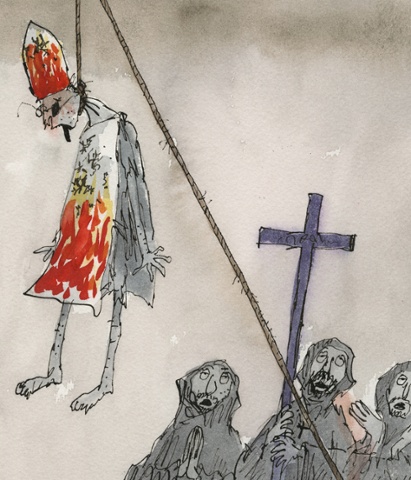
Eternal optimist Dr Pangloss is hanged.
Illustration: Quentin Blake
- Pangloss, a fictional character in the 1759 novel Candide by Voltaire: Pangloss is a Leibnizian philosopher, the personal tutor of the main character Candide;
- Editions
- Voltaire (1759).
 Candide. Trans. Tobias Smollett. Wikisource.
 - Voltaire (in French). Candide. Wikisource.
 Quotations related to Candide at Wikiquote
Candide at Project Gutenberg (plain text and HTML)

You've been a fool
And so have I,
But come and be my wife.
And let us try,
Before we die,
To make some sense of life.
We're neither pure, nor wise, nor good
We'll do the best we know.
We'll build our house and chop our wood
And make our garden grow...
And make our garden grow.
CUNEGONDE
I thought the world
Was sugar cake
For so our master said.
But, now I'll teach
My hands to bake
Our loaf of daily bread.
CANDIDE AND CUNEGONDE
We're neither pure, nor wise, nor good
We'll do the best we know.
We'll build our house and chop our wood
And make our garden grow...
And make our garden grow.
(ensemble enters in gardening gear and a cow walks on)
CANDIDE, CUNEGONDE, MAXIMILLIAN, PAQUETTE, OLD LADY, DR. PANGLOSS
Let dreamers dream
What worlds they please
Those Edens can't be found.
The sweetest flowers,
The fairest trees
Are grown in solid ground.
ENSEMBLE (a cappella)
We're neither pure, nor wise, nor good
We'll do the best we know.
We'll build our house and chop our wood
And make our garden grow.
And make our garden grow!
(The cow dies)
VOLTAIRE
Ah, me! The pox!
「潘格羅士講授形而上學,神學、宇宙論,虛無主義,他以令人驚奇的方式證明,沒有無因之果,在眾多可能的世界當中的這個最好的世界上,仁慈的男爵大人的宮殿是所有宮殿中最美的。『已經證明』,他說:『事物不可能被創造成另一副樣子。既然一切都是為了某一個目的而創造的,一切必然用於最好的目的。要記住,鼻子是為戴眼鏡而做成的,所以,我們才有眼鏡。腿顯然是為穿鞋而安排的,於是,我們才有了鞋襪。石頭的創造是為了讓人們開採它用來建造宮殿,因而仁慈的大人才有了美妙的宮殿』」。
這一小段文字大概是伏爾泰諷刺小說《憨第德》當中最常被人引用的一段話。因此,影射萊布尼茨的角色潘格羅士也就成了這位哲人的標準造像。他表面上博學多才,實則迂腐不堪;明明世上充滿罪惡不公與災難,他卻以自己躲在書齋裏想出來的哲學證明「我們的世界,是上帝所創造的一切可能世界當中至為美好的一個」,樂觀到無可救藥的地步。自從伏爾泰以降,每逢發生什麼大事,例如第一次世界大戰與後來的納粹集中營屠殺,西方就一定有作家和學者重提萊布尼茨這句名言,當然是諷刺式的引用。此世如此不堪,你竟然還好意思說它好得不能再好?莫非另一個更美、更善、更公正的世界真的不存在?不值得盼望?不值得追求?
--from CANDIDE (1759) by Voltaire


沒有留言:
張貼留言