直接從原文翻譯成中文也可能有不少問題。
Love in the Time of Cholera《愛在瘟疫蔓延時》 的幾處翻譯Love in the Time of Cholera is a novel by Colombian Nobel prize winning author
佛羅倫提諾·阿里薩苦等了五十一年九個月零四天,只為等待他心愛的女人出現。他甚至數著日子。
這或許是小說史上最浪漫的情節,也或許是最令人不安的情節,而加西亞·馬奎斯用四百頁的篇幅,讓你根本無法做出判斷。
這段愛情故事始於電報。弗洛倫蒂諾是一名電報員,費爾米娜·達薩是他那些越來越複雜的電報的接收者。他們的戀愛幾乎完全在語言中進行,這意味著幾乎完全在想像中進行。也就是說,弗洛倫提諾愛上的,是費米娜自己從未成為的形象。她比他更早意識到這一點。她嫁給了胡韋納爾·烏爾比諾醫生,一個理智、有地位、真心愛她的人,並建立起一種不像弗洛倫蒂諾那樣激情四溢的生活,而這種生活也絲毫不遜色。
加西亞·馬奎斯以同樣嚴肅的態度對待弗洛倫蒂諾和費爾米娜兩種截然不同的人生——弗洛倫蒂諾激情四溢的人生和費米娜腳踏實地的人生,這正是這部小說最根本的特質。
烏爾比諾並非小說浪漫架構所暗示的那種障礙。他是個有血有肉、有教養、偶爾令人抓狂的人物,他能夠付出真愛,而這種愛體現在長久的伴侶關係中,而非痴迷。
他的死開啟了小說,加西亞·馬奎斯在回溯中賦予了他足夠的生命力,使他的離去成為一種真實的損失,而非敘事上的便利。這一點至關重要,因為它意味著費爾米娜並非因喪夫而擺脫不幸的婚姻,而是真正失去了摯愛。這種區別徹底改變了弗洛倫蒂諾再次出現的意義。
弗洛倫蒂諾這個角色本身,正是這本小說對讀者要求最高的部分。他與費米娜保持了長達五十年的忠貞愛情,同時與六百多名女性保持著有據可查的婚外情——並非一時風流,而是認真的戀愛關係,有的溫柔細膩,有的綿長纏綿,有的則以災難性的結局收場,其後果之嚴重,令人深感道德上的沉重。加西亞·馬奎斯並沒有將此視為虛偽,也沒有將其簡單地歸咎於一個男人無法擺脫的渴望。他將其視為人之常情,這比任何一種評判都更令人不安。
小說標題中的霍亂與其說是情節,不如說是一種氛圍,它模糊了疾病症狀和愛情症狀之間的界限,使身體的痛苦變得曖昧不清,而加西亞·馬爾克斯認為這種曖昧並非僅僅是一種巧妙的表達,而是具有啟發意義的。
人們死於霍亂,也死於愛情。小說堅持將兩者都視為真實的死因,視為對身體同樣具有強大作用的事件,而這種強調在小說進行到一半時,不再像是隱喻,而更像是生物學事實。加西亞·馬奎斯的散文風格有時會讓非讀者感到猶豫,他們期待的是《百年孤獨》中更為人熟知的炫技,卻發現截然不同:更加克制,更加線性,諷刺意味也更加溫暖。
這是一部晚期作品,讀起來也確實如此,字裡行間流露出作者的自信,他已證明了自己的實力,如今正致力於創作更為靜謐、也更具挑戰性的作品。句子如同時間般層層遞進,你不會感覺到它們各自獨立流逝,而是突然間,所有的一切同時湧現。
結尾發生在一艘河船上,這是二十世紀小說中最偉大的結尾之一,並非因為它解答了小說的核心問題,而是因為它找到了一個恰到好處的意象,使這個問題始終懸而未決。兩位老人,船頭飄揚著一面黃色的檢疫旗,一條漫無目的的河流。
有人問弗洛倫蒂諾,他們還能這樣持續多久。他的回答,便是小說的最後一行。
加西亞·馬奎斯花了四百頁的篇幅才寫出這句名言,而且他完全配得上這個名言。如果你是那種讀完一本小說後會安靜地坐一會兒再做其他事情的讀者,那麼這本書就是其中之一。//Florentino Ariza waits fifty-one years, nine months, and four days for the woman he loves to become available. He keeps count. This is either the most romantic thing in the history of the novel or the most disturbing, and García Márquez spends four hundred pages making absolutely certain you cannot decide which.The love story begins in telegrams, Florentino is a telegraph operator, Fermina Daza is the recipient of his increasingly elaborate messages, and their courtship is conducted almost entirely in language, which means it is conducted almost entirely in imagination, which means what Florentino falls in love with is a Fermina that Fermina herself has never been. She figures this out before he does. She marries Dr. Juvenal Urbino, a man of reason and position and genuine devotion, and builds a life that is not passionate in Florentino's consuming sense and is not lesser for it. García Márquez holds both lives, the passionate one Florentino is living, the solid one Fermina is living, with equal seriousness, which is the novel's most radical quality.Urbino is not the obstacle the novel's romantic architecture might suggest. He is a fully inhabited man: cultured, flawed, occasionally maddening, capable of real love delivered in the register of long partnership rather than obsession. His death opens the novel, and García Márquez gives him enough life in retrospect that his absence is felt as genuine loss rather than narrative convenience. This matters because it means Fermina is not rescued from a bad marriage by widowhood. She is bereaved. The distinction changes everything about what Florentino's reappearance means.Florentino himself is where the novel demands the most from its reader. He has spent five decades in a state of sustained romantic devotion to Fermina while conducting over six hundred documented affairs with other women, not casual encounters, but relationships, some of them tender, some of them prolonged, one of them catastrophic in ways that land with genuine moral weight. García Márquez does not present this as hypocrisy or simply as the behavior of a man in the grip of unresolvable longing. He presents it as human, which is more unsettling than either judgment would be.The cholera of the title moves through the novel less as plot than as atmosphere, a presence that blurs the line between the symptoms of disease and the symptoms of love, that makes the body's suffering ambiguous in ways García Márquez finds generative rather than merely clever. People die of cholera. People die of love. The novel insists on treating both as real causes, as things that happen to the body with equal force, and the insistence stops feeling like metaphor about halfway through and starts feeling like biology.The prose is where non-García Márquez readers sometimes hesitate, expecting the more famous pyrotechnics of One Hundred Years of Solitude and finding something different: more controlled, more linear, warmer in its ironies. This is a late-career novel and it reads like one, written with the confidence of someone who has already proven what he can do and is now interested in doing something quieter and in some ways harder. The sentences accumulate the way time accumulates, you don't feel them passing individually, and then suddenly you feel all of them at once.The ending is on a riverboat, and it is one of the great endings in twentieth century fiction, not because it resolves the novel's central question but because it finds the exact image that holds the question open permanently. Two old people, a yellow flag of quarantine flying above the boat, a river going nowhere in particular. Florentino is asked how long they can keep going like this. His answer is the last line of the novel. García Márquez spent four hundred pages earning the right to that line, and he earned it completely, and if you are the kind of reader who finishes a novel and sits quietly for a while before doing anything else, this will be one of those times.//
----
Gabriel García Márquez. The novel was first published in Spanish in 1985.用英文本當然無法評論翻譯自西班牙文的中文本然而,它們(西班牙文 和 英文,社會制度如俱樂部等,相近,而中文世界通常不相同........)Love in the Time of Cholera 企鵝版《愛在瘟疫蔓延時》 台北允晨 1991/2000七版 翻譯討論英文p.122 v 中文版 152~53Parish Cafe 教區咖啡館Social ClubShe would turn over in the grave 再死 一次a large number black balls 風風雨雨chess 象棋a good intermediate haven 理想的避風港The words I am about to express: They now have their own crowned goddess. – Leandro Díaz. This epigraph does just what a good epigraph should do.
Love in the Time of Cholera《愛在瘟疫蔓延時》 的幾處翻譯
Love in the Time of Cholera is a novel by Colombian Nobel prize winning author
佛羅倫提諾·阿里薩苦等了五十一年九個月零四天,只為等待他心愛的女人出現。他甚至數著日子。
這或許是小說史上最浪漫的情節,也或許是最令人不安的情節,而加西亞·馬奎斯用四百頁的篇幅,讓你根本無法做出判斷。
這段愛情故事始於電報。弗洛倫蒂諾是一名電報員,費爾米娜·達薩是他那些越來越複雜的電報的接收者。他們的戀愛幾乎完全在語言中進行,這意味著幾乎完全在想像中進行。也就是說,弗洛倫提諾愛上的,是費米娜自己從未成為的形象。她比他更早意識到這一點。她嫁給了胡韋納爾·烏爾比諾醫生,一個理智、有地位、真心愛她的人,並建立起一種不像弗洛倫蒂諾那樣激情四溢的生活,而這種生活也絲毫不遜色。
加西亞·馬奎斯以同樣嚴肅的態度對待弗洛倫蒂諾和費爾米娜兩種截然不同的人生——弗洛倫蒂諾激情四溢的人生和費米娜腳踏實地的人生,這正是這部小說最根本的特質。
烏爾比諾並非小說浪漫架構所暗示的那種障礙。他是個有血有肉、有教養、偶爾令人抓狂的人物,他能夠付出真愛,而這種愛體現在長久的伴侶關係中,而非痴迷。
他的死開啟了小說,加西亞·馬奎斯在回溯中賦予了他足夠的生命力,使他的離去成為一種真實的損失,而非敘事上的便利。這一點至關重要,因為它意味著費爾米娜並非因喪夫而擺脫不幸的婚姻,而是真正失去了摯愛。這種區別徹底改變了弗洛倫蒂諾再次出現的意義。
弗洛倫蒂諾這個角色本身,正是這本小說對讀者要求最高的部分。他與費米娜保持了長達五十年的忠貞愛情,同時與六百多名女性保持著有據可查的婚外情——並非一時風流,而是認真的戀愛關係,有的溫柔細膩,有的綿長纏綿,有的則以災難性的結局收場,其後果之嚴重,令人深感道德上的沉重。加西亞·馬奎斯並沒有將此視為虛偽,也沒有將其簡單地歸咎於一個男人無法擺脫的渴望。他將其視為人之常情,這比任何一種評判都更令人不安。
小說標題中的霍亂與其說是情節,不如說是一種氛圍,它模糊了疾病症狀和愛情症狀之間的界限,使身體的痛苦變得曖昧不清,而加西亞·馬爾克斯認為這種曖昧並非僅僅是一種巧妙的表達,而是具有啟發意義的。
人們死於霍亂,也死於愛情。小說堅持將兩者都視為真實的死因,視為對身體同樣具有強大作用的事件,而這種強調在小說進行到一半時,不再像是隱喻,而更像是生物學事實。加西亞·馬奎斯的散文風格有時會讓非讀者感到猶豫,他們期待的是《百年孤獨》中更為人熟知的炫技,卻發現截然不同:更加克制,更加線性,諷刺意味也更加溫暖。
這是一部晚期作品,讀起來也確實如此,字裡行間流露出作者的自信,他已證明了自己的實力,如今正致力於創作更為靜謐、也更具挑戰性的作品。句子如同時間般層層遞進,你不會感覺到它們各自獨立流逝,而是突然間,所有的一切同時湧現。
結尾發生在一艘河船上,這是二十世紀小說中最偉大的結尾之一,並非因為它解答了小說的核心問題,而是因為它找到了一個恰到好處的意象,使這個問題始終懸而未決。兩位老人,船頭飄揚著一面黃色的檢疫旗,一條漫無目的的河流。
有人問弗洛倫蒂諾,他們還能這樣持續多久。他的回答,便是小說的最後一行。
加西亞·馬奎斯花了四百頁的篇幅才寫出這句名言,而且他完全配得上這個名言。如果你是那種讀完一本小說後會安靜地坐一會兒再做其他事情的讀者,那麼這本書就是其中之一。
//Florentino Ariza waits fifty-one years, nine months, and four days for the woman he loves to become available. He keeps count.
This is either the most romantic thing in the history of the novel or the most disturbing, and García Márquez spends four hundred pages making absolutely certain you cannot decide which.
The love story begins in telegrams, Florentino is a telegraph operator, Fermina Daza is the recipient of his increasingly elaborate messages, and their courtship is conducted almost entirely in language, which means it is conducted almost entirely in imagination, which means what Florentino falls in love with is a Fermina that Fermina herself has never been. She figures this out before he does. She marries Dr. Juvenal Urbino, a man of reason and position and genuine devotion, and builds a life that is not passionate in Florentino's consuming sense and is not lesser for it.
García Márquez holds both lives, the passionate one Florentino is living, the solid one Fermina is living, with equal seriousness, which is the novel's most radical quality.
Urbino is not the obstacle the novel's romantic architecture might suggest. He is a fully inhabited man: cultured, flawed, occasionally maddening, capable of real love delivered in the register of long partnership rather than obsession.
His death opens the novel, and García Márquez gives him enough life in retrospect that his absence is felt as genuine loss rather than narrative convenience. This matters because it means Fermina is not rescued from a bad marriage by widowhood. She is bereaved. The distinction changes everything about what Florentino's reappearance means.
Florentino himself is where the novel demands the most from its reader. He has spent five decades in a state of sustained romantic devotion to Fermina while conducting over six hundred documented affairs with other women, not casual encounters, but relationships, some of them tender, some of them prolonged, one of them catastrophic in ways that land with genuine moral weight. García Márquez does not present this as hypocrisy or simply as the behavior of a man in the grip of unresolvable longing. He presents it as human, which is more unsettling than either judgment would be.
The cholera of the title moves through the novel less as plot than as atmosphere, a presence that blurs the line between the symptoms of disease and the symptoms of love, that makes the body's suffering ambiguous in ways García Márquez finds generative rather than merely clever.
People die of cholera. People die of love. The novel insists on treating both as real causes, as things that happen to the body with equal force, and the insistence stops feeling like metaphor about halfway through and starts feeling like biology.
The prose is where non-García Márquez readers sometimes hesitate, expecting the more famous pyrotechnics of One Hundred Years of Solitude and finding something different: more controlled, more linear, warmer in its ironies.
This is a late-career novel and it reads like one, written with the confidence of someone who has already proven what he can do and is now interested in doing something quieter and in some ways harder. The sentences accumulate the way time accumulates, you don't feel them passing individually, and then suddenly you feel all of them at once.
The ending is on a riverboat, and it is one of the great endings in twentieth century fiction, not because it resolves the novel's central question but because it finds the exact image that holds the question open permanently. Two old people, a yellow flag of quarantine flying above the boat, a river going nowhere in particular.
Florentino is asked how long they can keep going like this. His answer is the last line of the novel.
García Márquez spent four hundred pages earning the right to that line, and he earned it completely, and if you are the kind of reader who finishes a novel and sits quietly for a while before doing anything else, this will be one of those times.//
----
Gabriel García Márquez. The novel was first published in Spanish in 1985.
用英文本當然無法評論翻譯自西班牙文的中文本然而,它們(西班牙文 和 英文,社會制度如俱樂部等,相近,而中文世界通常不相同........)
Love in the Time of Cholera 企鵝版
《愛在瘟疫蔓延時》 台北允晨 1991/2000七版
翻譯討論英文p.122 v 中文版 152~53
Parish Cafe 教區咖啡館
Social Club
She would turn over in the grave 再死 一次
a large number black balls 風風雨雨
chess 象棋
a good intermediate haven 理想的避風港
The words I am about to express: They now have their own crowned goddess. – Leandro Díaz.
This epigraph does just what a good epigraph should do.
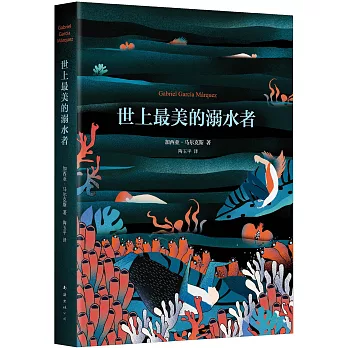
馬奎斯作品集:世上最美的溺水者
內容簡介
詳細資料
人工智慧概述
加西亞·馬奎斯被指控…的故事
1972年,哥倫比亞作家加西亞‧馬奎斯榮獲著名的諾伊施塔特國際文學獎。同年,他的短篇小說集《落葉風暴及其他故事》的英文版出版,以及《不可思議的悲慘故事:女候選人艾倫迪拉和她流落街頭的祖母》的出版。
1972年加西亞·馬奎斯的重要事件:
諾伊施塔特國際文學獎:他榮獲此獎,該獎項常被視為諾貝爾文學獎的前身,以表彰他對世界文學的重大貢獻。
文學作品(1972年):
《落葉風暴及其他故事》(英文版)出版,其中收錄了短篇小說《長著巨大翅膀的老人》。
《不可思議的悲傷故事:純真無邪的埃倫迪拉和她冷酷無情的祖母》(La increíble y triste historia de la cándida Eréndira y de su abuela desalmada)出版。
短篇小說《好人布拉卡曼,奇蹟的販賣者》(Blacamán the Good, Vendor of Miracles)發表於《時尚先生》(Esquire)雜誌。
其他背景:他的小說《落葉風暴》(La Hojarasca)的英文譯本也於1972年出版。當時他居住在巴塞隆納,繼1967年出版《百年孤獨》(One Hundred Years of Solitude)之後,他的聲譽迅速提升。

沒有留言:
張貼留言