2013年10月27日 星期日

馬英九: 虛與偽 (3)

【黃國昌專欄】馬英九的虛幻憲法

黃國昌 

憲 法是國家的根本大法,她劃定了一個國家的基本定位,揭示了一個國家的立國精神,也彰顯了國家人民所共同尊奉的核心價值。當然,這些都是憲政主義的應然,未 必反映實然的運作。也因此,憲法的生命,從來就非在於她的文字,而是在於她的實踐,更是在於國民捍衛憲法核心價值的意志與行動。

以一個淺顯的例子來說,當一位憲法學者在講台上大聲疾呼「學術自由」於憲法上的意義與重要,但為了個人的私利,對於北京大學配合中共極權鎮壓知識份子而解聘夏業良的惡行,卻刻意選擇沈默,這樣的憲法學者對學術自由不僅毫無信仰可言,更是虛偽醜陋。

中華民國憲法被國民政府自中國大陸帶至台灣之後,曾經為了配合蔣家父子的極權統治,歷經了將近一甲子的虛幻歲月;在台灣人民爭取民主化的奮鬥浪潮後,透過七次的修憲,才使得這部憲法與這塊土地上的人民產生連結,並透過後續的不斷實踐,取得一定程度的生命力。

時 至今日,這部憲法一方面反映了我們願意共同信奉的價值,但另一方面也仍殘存了虛幻的遺毒。我們共同信仰的價值,除了「國民主權」這個憲政主義最為重要的基 礎外,即是「權力分立」與「人權保障」兩項當代文明社會所共認的憲法原則。儘管對於到底應採用孫文所獨創的「五權分立」還是應遵行法治先進國家所樹立的 「三權分立」原則,論者間存有不同意見,但是對於「權力不應過度集中」、「權力應相互監督制衡」的基本原則,卻已是台灣人民的共識。基本人權的保障,在歷 經戒嚴時期白色恐怖的慘痛教訓,更已成為台灣社會所共同擁抱的核心價值。

至於我國憲法中的虛幻遺毒,則不外乎是「中華民國主權仍及於中 國大陸與蒙古西藏」、「中華人民共和國並不存在」以及憲法增修條文前言中所提及「因應國家統一前之需要」的文字。以台灣人民目前的智識,這些內容何以虛 幻,實已無庸贅言;為何這些幾已淪為政治笑話的主張,還會殘存在我們的憲法之中,只要對台灣民主化歷程有些許歷史縱深的認識,也不難理解。

真 正荒謬而令人痛心的是,馬英九作為我國的憲政機關,心中所想、口中所說的「憲法」,竟然只剩下其中最為虛幻、最反常識、也最違民意的部分。在日前接受美國 華盛頓郵報的專訪中,馬英九不提「權力分立」,不談「人權保障」,將我國整部憲法對國際社會的行銷,化約為僅突顯「一中原則」的面貌,強調在憲法下不容許 「兩個中國」、「一中一臺」或「臺灣獨立」。馬英九雖然也提及「一中各表」,但是如果「只有一中」,那在國際社會上指的自然是「中華人民共和國」;這件事 中共也知道,因此對於馬英九如此的態度,當然是額手稱慶。

國際現實如何,台灣人民都很清楚,正是因為如此,我們才需要一位有智慧、有能 力的領導人,在國際社會上行銷台灣最為可貴的價值,突顯台灣在世界上存在的意義:那就是台灣的民主自由與人權法治。這些台灣的核心價值,也正是中國共產黨 所最為畏懼,也因此最處心積慮所欲摧毀的台灣根基!

不幸的是,台灣人民選出的總統馬英九,自己卻正在踐踏、正在摧殘這些台灣最為珍貴的 價值。因為自己跨越憲政紅線,破壞權力分立原則,因此試圖將九月政爭的毀憲亂政,淡化為「國民黨家務事」,只談國民黨團結,不談責任追究;至於自己所曾大 聲疾呼「民主政治就是責任政治」,「一個人民已經不尊敬、不支持的總統,應該有羞恥心下台」的主張,馬英九自是再也絕口不提。因為自己成為人民四處抗議的 對象,因此開始調動國安特勤及大批警力,非法逮捕抗議的學者、濫權訴追怒吼的人民;至於馬英九2008年競選時所提出「修改集遊惡法、把街頭還給人民」的 人權宣言,更早已被印證是最虛偽的謊言,馬英九根本無臉面對!

事實上,出身於國民黨宮廷的馬英九,在台灣民主化的歷程中,對於台灣人民 目前在國際社會可以引以為傲的進步價值,不僅從來沒有做出任何的貢獻,反而是處處站在對立面。1992年當台灣人民要求直選總統,馬英九為了「保護法統」 高聲反對;1995年當馬英九現身憲法法庭,倡議的更不是什麼人權保障,而竟是容許檢察官自行羈押刑事被告!對於這樣一個掛著哈佛法學博士名銜但骨子裡卻 是「反民主、反人權」的馬英九,我寧願相信這不是哈佛教育的問題,而是馬英九的人格問題!

基於相同的道理,儘管台灣的民主選出了馬英九這樣的人擔任總統,我們不必因此對民主喪失信心,即使是美國也曾產出過尼克森。儘管我們的總統選擇擁抱憲法最為虛幻不實的遺毒,我們也不應放棄憲政主義的精神,「權力分立」、「人權保障」還是我們應該追求、應該實踐的價值!

這個國家是屬於台灣人民的,這部憲法也是屬於台灣人民的。也因此,這個國家的核心價值為何,這部憲法的根本意義為何,是由我們自己集體的意志與行動加以界定,絕不應也絕不能由少數政客擅斷。

我不知道馬英九卸任後是否會逃離台灣,但是我知道絕大多數的人民會繼續堅守這塊土地。馬英九可以輸,但是台灣不能輸!

2013年10月22日 星期二

Condoleezza Rice, Sachin Tendulkar , Jim Kim

Condoleezza Rice is an ardent fan of college football.


Condoleezza Rice is an American political scientist and diplomat. She served as the 66th United States Secretary of State, and was the second person to hold that office in the administration of President George W. Bush. Wikipedia
Born: November 14, 1954 (age 58), Birmingham, 

On College Football

Rice Approaches New Role With Diplomacy

By GREG BISHOP

Condoleezza Rice, a member of the new college football playoff selection committee, will bring her deep knowledge of the sport and collaborative skills to the group's deliberations. 


 *****

How do you cope in a world without God? That is the question Indian cricket fans (otherwise known as Indians) are asking after, on October 10th, Sachin Tendulkar announced that he would retire next month from international cricket. Through his brilliance, his longevity and his demeanour, Mr Tendulkar has inspired and united India's teeming generations http://econ.st/H1nrny

-----
  1. News for jim kim world bank

    1. Oxfam America ‎- 11 hours ago
      World Bank reforms create excitement and uncertainty. Jim Kim means business but concrete details are lacking, especially with regards to the ...

  2. Jim Yong Kim - Wikipedia, the free encyclopedia

    en.wikipedia.org/wiki/Jim_Yong_Kim
    Jump to World Bank presidency (2012 - –)[edit]. President Obama announces Dr. Jim Yong Kim as nominee to lead the World Bank. On March 23, 2012, ...
Jim Kim is trying to give the World Bank a sharper focus. In the unlovely words of a new strategy, endorsed by the bank's governors on October 12th, the group's "value proposition" is to end extreme poverty by 2030 and to foster income growth among the poorest 40% in every country, not just poor ones. The aim is to shake up the world's leading development body http://econ.st/16q7L3f
金墉1959年12月[5]8日出生於韓國首爾,5歲時隨父母移民至美國愛荷華州Muscatine。他的父親於愛荷華大學任教牙醫學,而他的母親則取得了哲學博士學位。金墉高中畢業後,只在愛荷華大學讀了一年半,然後轉往布朗大學就讀,並於1982年取得文學士。1991年,從哈佛醫學院取得醫科博士;1993年於哈佛大學得到人類學系的博士[6]。他是非營利機構「衛生夥伴組織」創始人之一,曾出任世界衛生組織總幹事顧問,2004年至2006年任世衛組織愛滋病防治部門主管。2009年7月,他出任達特茅斯學院校長,成為美國常青藤聯盟院校首位亞裔校長。[7]
2012年3月23日,美國總統歐巴馬宣布提名他為世界銀行總裁[8]
2012年4月16日,世界銀行宣布任命在韓國出生的美國公民金墉(Dr.Jim Yong Kim)為下一任行長,任期五年[9]

2013年10月17日 星期四

Soren Kierkegaard, a Great Communicator/Kierkegaard at 200


Rogue Philosopher, Great Communicator

Tourists and residents stroll along Kobmagergade in Copenhagen. Kierkegaard was confirmed in a church just down the street.John McConnico for the New York Times Tourists and residents stroll along Kobmagergade in Copenhagen. Kierkegaard was confirmed in a church just down the street.
For years, visitors to the Copenhagen City Museum wandered into a modest room that contains a few artifacts from the Danish philosopher Soren Kierkegaard’s life: portraits, meerschaum pipes, first editions and, best of all, the desk where he stood and produced with preternatural speed a series of original and difficult works, many of them written pseudonymously and published in editions that numbered in the hundreds — among them “Either-Or,” “Fear and Trembling,” “The Concept of Dread” and “Repetition.” The exhibit has been refreshed to mark Kierkegaard’s 200th birthday on May 5th. His belongings — a large library, furniture, paintings, and knickknacks —were pretty well dispersed after his death in 1855, but the expanded version will add an “outer circle” of relevant material. Manuscripts and papers from the Kierkegaard archives will be on display at the Royal Library.
Kierkegaard’s use of pseudonyms helped express the spiritual and deeply personal.
The philosopher’s grave is fairly close by, in Assistens Kirkegaard—his forbidding name is a variation of the Danish word for cemetery — in the Norrebro district, which is also the burial ground of many other notable figures, including Hans Christian Andersen, Niels Bohr and the American tenor saxophonist Ben Webster.

Though in death he rests in this distinguished company, Kierkegaard was markedly less revered in life. His contemporaries saw him as a troublesome, quarrelsome figure. He was a familiar sight, strolling about the Old City, where he created the illusion that he was merely an underemployed gentleman. The satirical weekly Corsair published nasty caricatures of him and mocked his writing and pseudonymous disguises. He was gossiped about when he broke his engagement to the 18-year-old Regine Olsen, and was feared by his targets, among them, Hans Christian Andersen, whose early novels Kierkegaard eviscerated in his 1838 debut, “From the Papers of One Still Living.” Shortly before he died at age 42, he began a bitter ground war with the state Lutheran church. For his biographers and interpreters, his private life remains a nest of secrets.
For all his well-known existential explorations — his fascination with life’s dreadful uncertainties and his belief, set forth in “The Sickness Unto Death,” that despair is central to the human condition — Kierkegaard will forever be associated with the “leap,” an exertion of faith that helped him accept what he saw as the absurd idea that Jesus was simultaneously divine and yet much like other young men of his time; the question obsessed and perplexed him. As he put it in his major 1846 book “Concluding Unscientific Postscript to the Philosophic Fragments,” “The Absurd is that the eternal truth has come to exist, that God has come to exist, is born, has grown up and so on, and has become just like a person, impossible to tell apart from another person.” Kierkegaard called this “the Absolute Paradox.”
These were awkward questions for discussion in a public forum — particularly in a small 19th-century monarchy with a dominant church. Kierkegaard came to realize that the subjects he cared most about — spiritual, deeply personal, wordless even — did not lend themselves to straightforward discourse. So he found a new way to communicate, letting his various pseudonymous “authors” say what a pedagogical doctor of theology could not. This was the Socratic method in epic form. It allowed Constantin Constantius in “Repetition” to hint that life might indeed be lived over; and it let Johannes de Silentio in “Fear and Trembling” retell the biblical story of Abraham preparing to sacrifice his son Isaac and to introduce what he called the “teleological suspension of the ethical,” the idea that one could disregard society’s legal and ethical boundaries in favor of a higher law. It was a dazzling thought experiment, and somewhat frightening, especially when you consider its extreme, all-too-familiar modern-day applications.
Related
More From The Stone
Read previous contributions to this series.
This subversive approach — “indirect communication” was the term he used repeatedly in “Concluding Unscientific Postscript” — was a way of saying: “Here is a secret that I cannot tell you — in fact, to say it outright would ruin it. Yet even without saying it, I think you get the idea.” Perceptive readers did get the idea without being told explicitly what it was.
This technique is familiar today; it’s what we experience in public debate, more widely with every advance in communications technology. The best commercial and political advertisements demonstrate it. Political candidates know that speaking directly to voters, telling them precisely what they stand for, may only be asking for trouble and that there are more effective ways to broadcast their views. The “dog-whistling” of modern campaigns —seemingly innocuous language used by surrogates and press officers to spread unruly opinions — is a method that Johannes Climacus, the “author” of the “Postscript,” would recognize.
Subjectivity (“inderlighed”), Kierkegaard wrote —in an almost contemptuous dismissal of the rational systems of 19th-century German philosophy — is truth. Yet inwardness and subjective reflection doesn’t leave much room for open discussion. Thus, he became the poet of the unsaid, the inexpressible — an artist-philosopher drawn to the mystery of powerful silence. It is a cliché to say that ideas matter, but they may matter more, and may be far more effective when they are communicated, as Kierkegaard suggested, without the intrusive voice of an insistent author. That’s one reason why, 200 years after his birth, in ways that are not always immediately apparent, Kierkegaard still matters.


Jeffrey Frank is the author of “Ike and Dick: Portrait of a Strange Political Marriage” and a co-translator from the Danish of “The Stories of Hans Christian Andersen.”


 ////


Op-Ed Contributor

Kierkegaard at 200


Northfield, Minnesota
THE intellectual immortal Soren Kierkegaard turns 200 on Sunday. The lyrical Danish philosopher is widely regarded as the father of existentialism, a philosophical and literary movement that emphasizes the category of the individual and meditates on such gauzy questions as, Is there a meaning to life?
Not surprisingly, existentialism hit its zenith after humanity got a good look at itself in the mirror of the Holocaust, but then memories faded and economies boomed and existentialism began to seem a little overwrought.
Still, throughout the ups and downs of the scholarly market, the intellectual world has remained bullish on Kierkegaard, in part because the Dane, unlike other members of the Socrates guild, always addressed what human beings are really up against in themselves, namely, anxiety, depression, despair and the flow of time.
There are at least a dozen scholarly fests going on around the globe to celebrate Kierkegaard’s bicentennial, and here at the Hong Kierkegaard Library at St. Olaf College we are expecting over 100 international participants at our birthday bash.
In his youth, Kierkegaard earned the nickname “gaflen,” or “the fork,” for his ability to discern the weaknesses in other people and to stick it to them. All his writing life, Kierkegaard wielded his red-hot stylus to stick it to bourgeois Christendom. His life was a meditation on what it means to have faith.
Although Kierkegaard never used the exact phrase, “the leap of faith,” those words have become his shibboleth. A Lutheran raised in a pietistic environment, Kierkegaard insisted that there was no being born into the fold; no easy passage, no clattering up a series of syllogisms to faith. For Kierkegaard, faith involved a collision with the understanding and a radical choice, or to use the terms of his singular best seller, life and faith demands an “Either/Or.” Believe or don’t believe, but don’t imagine you can have it both ways. As the mostly empty pews attest, much of Europe has taken Kierkegaard up on his challenge.
But Kierkegaard was more than a Luther of his Lutheran tradition; his writings bristle with insights about culture and humanity that can be redeemed in the currency of secularism.
For instance, Kierkegaard flourished at the inception of mass media. Daily and weekly journals and newspapers were just beginning to circulate widely. As though he could feel Facebook and Twitter coming down the line, he anticipated a time when communication would become instantaneous, but no one would have anything to say; or again, a time when everyone was obsessed with finding their voice but without much substance or “inwardness” behind their eruptions and blogposts.
In one of his books Kierkegaard moans, “The present age is an age of publicity, the age of miscellaneous announcements: Nothing happens but still there is instant publicity.” In the end, Kierkegaard was concerned about the power of the press to foment and form public opinion and in the process relieve of us of the need to think matters through on our own.
Over a 17-year span, Kierkegaard published a score of books and compiled thousand of pages of journal entries. Like Nietzsche and other geniuses who were more than less immolated by the fiery force of their own ideas, Kierkegaard sacrificed his body to dance out the riches of his thoughts. Self-conscious of his own preternatural powers, he wrote, “Geniuses are like thunderstorms. They go against the wind, terrify people, cleanse the air.”
Of course, we have all known hours of inspiration, but to live with the Muse on one’s shoulders year after year is to be able to abide close to the borders of what must sometimes feel like madness. Not an easy task.
Just to pluck a couple of plums from the sprawling tree of Kierkegaard’s extraordinary oeuvre: He was not what we would term an ethicist. He did not devote his energies to trying to find a rational basis for ethics, nor was he occupied with teasing out moral puzzles. And yet, he has something very significant to say about ethics.
According to Kierkegaard, it is not more knowledge or skills of analysis that is required to lead dutiful lives. If knowledge were the issue, then ethics would be a kind of talent. Some people would be born moral geniuses and others moral dolts. And yet so far as he and Kant were concerned, when it comes to good and evil we are all on an equal footing.
Contrary to the ethics industry that is thrumming today, Kierkegaard believed that the prime task is to hold on to what we know, to refrain from pulling the wool over our own eyes because we aren’t keen on the sacrifices that doing the right thing is likely to require. As Kierkegaard put it, when we find ourselves in a moral pinch we don’t just take the easy way out. Instead, he writes, “Willing allows some time to elapse, an interim called: We shall look at it tomorrow.”
And by the day after tomorrow, we usually decide that the right way was, after all, the easy way. And so the gadfly of Copenhagen concludes, “And this is how perhaps the great majority of men live: They work gradually at eclipsing their ethical and ethical-religious comprehension, which would lead them out into decisions and conclusions that their lower nature does not much care for.”
There are epiphanies in every nook and cranny of Kierkegaard’s authorship, but paradoxically enough, from the beginning to the end, the man who seemed to know just about everything, was gently emphatic: “The majority of men ... live and die under the impression that life is simply a matter of understanding more and more, and that if it were granted to them to live longer, that life would continue to be one long continuous growth in understanding. How many of them ever experience the maturity of discovering that there comes a critical moment where everything is reversed, after which the point becomes to understand more and more that there is something which cannot be understood.”
And what might it mean to understand that there is something of vital importance in life that cannot be understood? With the indirection of a Zen master, our Birthday Boy helps us unlock this and other koans that strike to the marrow of the question of what it means to be a human being.
Gordon Marino is a professor of philosophy and the director of the Hong Kierkegaard Library at St. Olaf College. His most recent book  “The Quotable Kierkegaard” will be published in the fall.

Peter F. Drucker (1909~2005), a Pioneer in Social and Management Theory, Is Dead at 95/A Man's Spiritual Journey From Kierkegaard to General Motors


Peter F. Drucker, a Pioneer in Social and Management Theory, Is Dead at 95


Published: November 12, 2005
Correction Appended
 
Peter F. Drucker, the political economist and author, whose view that big business and nonprofit enterprises were the defining innovation of the 20th century led him to pioneering social and management theories, died yesterday at his home in Claremont, Calif. He was 95.

Lee Celano
Peter F. Drucker in 1999.
His death was announced by Claremont Graduate University.
Mr. Drucker thought of himself, first and foremost, as a writer and teacher, though he eventually settled on the term "social ecologist." He became internationally renowned for urging corporate leaders to agree with subordinates on objectives and goals and then get out of the way of decisions about how to achieve them.
He challenged both business and labor leaders to search for ways to give workers more control over their work environment. He also argued that governments should turn many functions over to private enterprise and urged organizing in teams to exploit the rise of a technology-astute class of "knowledge workers."
Mr. Drucker staunchly defended the need for businesses to be profitable but he preached that employees were a resource, not a cost. His constant focus on the human impact of management decisions did not always appeal to executives, but they could not help noticing how it helped him foresee many major trends in business and politics.
He began talking about such practices in the 1940's and 50's, decades before they became so widespread that they were taken for common sense. Mr. Drucker also foresaw that the 1970's would be a decade of inflation, that Japanese manufacturers would become major competitors for the United States and that union power would decline.
For all his insights, he clearly owed much of his impact to his extraordinary energy and skills as a communicator. But while Mr. Drucker loved dazzling audiences with his wit and wisdom, his goal was not to be known as an oracle. Indeed, after writing a rosy-eyed article shortly before the stock market crash of 1929 in which he outlined why stocks prices would rise, he pledged to himself to stay away from gratuitous predictions. Instead, his views about where the world was headed generally arose out of advocacy for what he saw as moral action.
His first book ("The End of Economic Man," 1939)was intended to strengthen the will of the free world to fight fascism. His later economic and social predictions were intended to encourage businesses and social groups to organize in ways that he felt would promote human dignity and vaccinate society against political and economic chaos.
"He is remarkable for his social imagination, not his futurism," said Jack Beatty in a 1998 review of Mr. Drucker's work "The World According to Peter Drucker."
Mr. Drucker, who was born in Vienna and never completely shed his Austrian accent, worked in Germany as a reporter until Hitler rose to power and then in a London investment firm before emigrating to the United States in 1937. He became an American citizen in 1943.
Recalling the disasters that overran the Europe of his youth and watching the American response left him convinced that good managers were the true heroes of the century.
The world, especially the developed world, had recovered from repeated catastrophe because "ordinary people, people running the everyday concerns of business and institutions, took responsibility and kept on building for tomorrow while around them the world came crashing down," he wrote in 1986 in "The Frontiers of Management."
Mr. Drucker never hesitated to make suggestions he knew would be viewed as radical. He advocated legalization of drugs and stimulating innovation by permitting new ventures to charge the government for the cost of regulations and paperwork. He was not surprised that General Motors for years ignored nearly every recommendation in "The Concept of the Corporation," the book he published in 1946 after an 18-month study of G.M. that its own executives had commissioned.
From his early 20's to his death, Mr. Drucker held various teaching posts, including a 20-year stint at the Stern School of Management at New York University and, since 1971, a chair at the Claremont Graduate School of Management. He also consulted widely, devoting several days a month to such work into his 90's. His clients included G.M., General Electric and Sears, Roebuck but also the Archdiocese of New York and several Protestant churches; government agencies in the United States, Canada and Japan; universities; and entrepreneurs.
For over 50 years, at least half of the consulting work was done free for nonprofits and small businesses. As his career progressed and it became clearer that competitive pressures were keeping businesses from embracing many practices he advocated, like guaranteed wages and lifetime employment for industrial workers, he became increasingly interested in "the social sector," as he called the nonprofit groups.
Mr. Drucker counseled groups like the Girl Scouts to think like businesses even though their bottom line was "changed lives" rather than profits. He warned them that donors would increasingly judge them on results rather than intentions. In 1990, Frances Hesselbein, the former national director of the Girl Scouts, organized a group of admirers to honor him by setting up the Peter F. Drucker Foundation for Nonprofit Management in New York to expose nonprofits to Mr. Drucker's thinking and to new concepts in management.
Mr. Drucker's greatest impact came from his writing. His more than 30 books, which have sold tens of millions of copies in more than 30 languages, came on top of thousands of articles, including a monthly op-ed column in The Wall Street Journal from 1975 to 1995.
Among the sayings of Chairman Peter, as he was sometimes called, were these:
¶"Marketing is a fashionable term. The sales manager becomes a marketing vice president. But a gravedigger is still a gravedigger even when it is called a mortician - only the price of the burial goes up."
¶"One either meets or one works."
¶"The only things that evolve by themselves in an organization are disorder, friction and malperformance."
¶"Stock option plans reward the executive for doing the wrong thing. Instead of asking, 'Are we making the right decision?' he asks, 'How did we close today?' It is encouragement to loot the corporation."
Mr. Drucker's thirst for new experiences never waned. He became so fascinated with Japanese art during his trips to Japan after World War II that he eventually helped write "Adventures of the Brush: Japanese Paintings" (1979), and lectured on Oriental art at Pomona College in Claremont from 1975 to 1985.
Peter Ferdinand Drucker was born Nov. 19, 1909, one of two sons of Caroline and Adolph Drucker, a prominent lawyer and high-ranking civil servant in the Austro-Hungarian government. He left Vienna in 1927 to work for an export firm in Hamburg, Germany, and to study law.
Mr. Drucker then moved to Frankfurt, where he earned a doctorate in international and public law in 1931 from the University of Frankfurt, became a reporter and then senior editor in charge of financial and foreign news at the newspaper General-Anzeiger, and, while substitute teaching at the university, met Doris Schmitz, a 19-year-old student. They became reacquainted after waving madly while passing each other going opposite directions on a London subway escalator in 1933 and were married in 1937.
Mr. Drucker had moved to England to work as a securities analyst and writer after watching the rise of the Nazis with increasing alarm. In England, he took an economics course from John Maynard Keynes in Cambridge, but was put off by how much the talk centered on commodities rather than people.
Mr. Drucker's reputation as a political economist was firmly established with the publication in 1939 of "The End of Economic Man." The New York Times said it brought a "remarkable vision and freshness" to the understanding of fascism. The book's observations, along with those in articles he wrote for Harpers and The New Republic, caught the eye of policy makers in the federal government and at corporations as the country prepared for war, and landed him a job teaching at Sarah Lawrence College in Bronxville, N.Y.
Writing "The Future of Industrial Man," published in 1942 after Mr. Drucker moved to Bennington College in Vermont, convinced him that he needed to understand big organizations from the inside. Rebuffed in his requests to work with several major companies, he was delighted when General Motors called in late 1943 proposing that he study its structure and policies. To avoid having him treated like a management spy, G.M. agreed to let him publish his findings.
Neither G.M. nor Mr. Drucker expected the public to be interested because no one had ever written such a management profile, but "The Concept of the Corporation" became an overnight sensation when it was published in 1946. " 'Concept of the Corporation' is a book about business the way 'Moby Dick' is a book about whaling," said Mr. Beatty, referring to the focus on social issues extending far beyond G.M.'s immediate operating challenges.
In it, Mr. Drucker argued that profitability was crucial to a business's health but more importantly to full employment. Management could achieve sustainable profits only by treating employees like valuable resources. That, he argued, required decentralizing the power to make decisions, including giving hourly workers more control over factory life, and guaranteed wages.
In the 1950's, Mr. Drucker began proclaiming that democratic governments had become too big to function effectively. This, he said, was a threat to the freedom of their citizens and to their economic well-being.
Unlike many conservative thinkers, Mr. Drucker wanted to keep government regulation over areas like food and drugs and finance. Indeed, he argued that the rise of global businesses required stronger governments and stronger social institutions, including more powerful unions, to keep them from forgetting social interests.
According to Claremont Graduate University, Mr. Drucker's survivors include his wife, Doris, an inventor and physicist; his children, Audrey Drucker of Puyallup, Wash., Cecily Drucker of San Francisco, Joan Weinstein of Chicago, and Vincent Drucker of San Rafael, Calif.; and six grandchildren.
Early last year, in an interview with Forbes magazine, Mr. Drucker was asked if there was anything in his long career that he wished he had done but had not been able to do.
"Yes, quite a few things," he said. "There are many books I could have written that are better than the ones I actually wrote. My best book would have been "Managing Ignorance," and I'm very sorry I didn't write it."
Correction: Nov. 19, 2005, Saturday:

An obituary last Saturday about the political economist and management consultant Peter F. Drucker misstated the source of a quotation about him - "He is remarkable for his social imagination, not his futurism" - and misstated the authorship of a book, "The World According to Peter Drucker." The book was written by Jack Beatty, not by Mr. Drucker, and the quotation was from the book, not from a review of the book. Because of an editing error, the obituary also misstated the source of a quotation from Mr. Drucker. It was Fortune magazine, not Forbes, in which he said: "There are many books I could have written that are better than the ones I actually wrote. My best book would have been 'Managing Ignorance,' and I'm very sorry I didn't write it."


Beliefs

A Man's Spiritual Journey From Kierkegaard to General Motors


Published: November 19, 2005
When Peter F. Drucker died eight days ago, the only specifically religious reference that appeared in most obituaries was "guru" - as in "management guru." It was, incidentally, a term he despised.


Many obituaries did mention that for decades Mr. Drucker, who would have turned 96 today, devoted much of his energy to analyzing and advising nonprofit organizations and charities. A few obituaries even mentioned churches.
In fact, Mr. Drucker's prescience about the growing role of megachurches in American society could be placed alongside other insights those obituaries recorded: his anticipation of Japan's economic emergence, for example, or his attention to the rise of "knowledge workers" and the uses of "privatization."

The biggest draw to America’s megachurches is something easier to follow than any of Jesus’s teachings: the gospel of American capitalism

The biggest draw to America’s megachurches is something easier to follow than any of Jesus’s teachings: the gospel of American capitalism

美國巨型教會最大的吸引力並非耶穌的任何教誨,而是更容易理解的東西:美國資本主義的福音。


Many obituaries did mention that for decades Mr. Drucker, who would have turned 96 today, devoted much of his energy to analyzing and advising nonprofit organizations and charities. A few obituaries even mentioned churches.
In fact, Mr. Drucker's prescience about the growing role of megachurches in American society could be placed alongside other insights those obituaries recorded: his anticipation of Japan's economic emergence, for example, or his attention to the rise of "knowledge workers" and the uses of "privatization."

許多訃聞都提到,德魯克/杜拉克先生(如果他還在世,今天就96歲了)幾十年來一直致力於分析和指導非營利組織和慈善機構。一些訃聞甚至提到了教會。

事實上,德魯克先生對巨型教會在美國社會中日益增長的作用的預見性,可以與這些訃告中記錄的其他洞見並列:例如,他對日本經濟崛起的預見,以及他對「知識工作者」的崛起和「私有化」運用的關注。

 
Religion, it turned out, had a great deal to do with Mr. Drucker's work. In 1989, the editors of Leadership, an evangelical quarterly for pastors, asked him, "After a lifetime of studying management, why are you now turning your attention to the church?"
Mr. Drucker politely corrected them. "As far as I'm concerned, it's the other way around," he said. "I became interested in management because of my interest in religion and institutions."
Mr. Drucker was raised in Vienna in a family of intellectuals, the perfect incubator for the polymath he became. Jack Beatty, in his biography "The World According to Peter Drucker" (Free Press, 1998), passes on Mr. Drucker's description of the family Lutheranism as "so 'liberal' that it consisted of little more than a tree at Christmas and Bach cantatas at Easter."
Then, at age 19, Mr. Drucker came across the works of the theologian and philosopher Soren Kierkegaard - and was bowled over. He studied Danish in order to read Kierkegaard's yet-untranslated writings.
From Kierkegaard to studying General Motors and the secrets of entrepreneurship may seem like a long stretch. But Kierkegaard's stark Christian vision spoke to Mr. Drucker's lifelong search for what he was observing while working in a Germany sliding into Nazism - an explanation of why, in a modern world of organizations and rapid change, freedom has so often been surrendered.
Mr. Beatty notes the "nakedly religious sentiment" with which Mr. Drucker ended his 1959 book "Landmarks of Tomorrow."
"The individual," Mr. Drucker wrote, "needs the return to spiritual values, for he can survive in the present human situation only by reaffirming that man is not just a biological and psychological being but also a spiritual being, that is creature, and existing for the purposes of his creator and subject to Him."
Such sentiments do not crop up often in the 35 books that Mr. Drucker published. In a 1999 profile in Christianity Today, Tim Stafford described Mr. Drucker as a "practicing Episcopalian." An interview in Forbes exactly a year ago described him as a "muted Episcopalian." (One can almost hear other Episcopalians quipping, "What other kind is there?")
As Mr. Stafford observed, "Drucker hardly ever uses theological or biblical terminology to express himself, even if he is writing about something that easily fits theological categories. With some other management writer this might be an accident, but Drucker is so well educated in philosophy and theology that it has to be a conscious choice. The point is that Drucker is not a man of pious gestures."
So if Mr. Drucker's religious interests were not more widely noticed, it was due to his own reticence as much as to any antipathy to religion in the world of business or ideas. Still, once one becomes aware of his religions as well as his political outlook, it is not hard to see them as underpinnings for much of his thinking about the human obligations of management and the importance of community in an unstable world.
His reticence disappeared, of course, when he was addressing religion and management directly. He tossed out ideas and opinions in his usual dizzying fashion, comparing Reformation-era Calvinists and Jesuits, declaring revolutions "in the human spirit," obviously less concerned about being wrong than about not provoking thought.
The future was with "pastoral churches," he argued, ones that put a higher priority on answering people's needs than perpetuating some specific doctrine or ritual or institutional structure.
"Very bluntly, people are dreadfully bored with theology," he told the editors of Leadership in 1989. "And I sympathize with them. I've always felt that quite clearly the good Lord loves diversity. He created 2,500 species of flies. If he had been like some theologians I know, there would have been only one right specie of fly."
Are pastors comparable to C.E.O.'s? "Up to a point," Mr. Drucker said. On the other hand, "many other organizations can be run on the army model, the command model. But the church cannot. It's a partnership."
Sermons are important. "You have 20 minutes to communicate the vision," he said, the fact "that there is another world, but it completely penetrates, encompasses, encapsulates this world."
Sometimes he criticized churches as being unconcerned about the world. At other times, he criticized them as emphasizing social programs to the neglect of a distinctly spiritual mission.
"The church is the only organization that is not entirely concerned with the kingdom of this earth," he said. "We're the only one with another dimension. And for that reason, many good concerns around here are not our primary focus."
One should not miss the "we" and "our" in those sentences.
He freely admitted inconsistency, however, questioning whether some churches should "really be in the shelter business," but praising Roman Catholics for running schools for non-Catholics in areas where the public schools were wanting. The question was always, he said, "Can we make a real difference?"
"Making a difference in the way people see what's truly important in life" was his ultimate test for both individuals and churches.
"I don't know," he acknowledged, "that you can measure this - certainly not by the bookkeeping of this world - but I'm reasonably sure that some sort of bookkeeping is going on someplace."
In this world, he said in a characteristic marriage of the visionary and the practical, the ones who best understand what can make a difference are the saints.
"That's the definition of a saint," Mr. Drucker said, "somebody who sees reality."

2013年10月16日 星期三

吳先旺, Kumar Pallana


吳先旺1940-2013:五洲製藥董事長吳先旺病逝 享年74歲 【2013/10/16 15:35】
新聞圖片
吳先旺曾在自傳「窮鬼翻身」提到過去艱苦的打拚人生。(圖片擷取自商周出版社)
〔本報訊〕據中視報導,擁有百億身價的五洲製藥董事長吳先旺,15日下午3點因心臟與多重器官衰竭逝世,享年74歲。吳先旺過去僅有小學畢業,大字不識幾個,隻身北上闖天下,曾經待過機車行、婦產科工作,到了中年才開創他的藥品事業,努力打拚出億萬財富的製藥王國。

 吳先旺曾在自傳「窮鬼翻身」表示,因從小就被算命剋父母給人收養,貧窮的環境下沒有機會受教育,年輕時北上打拚,在機車行修過車,甚至還開過婦產科、中醫院,經歷各種艱苦心酸,直到中年才投身製藥,連支票都沒看過的他,就開始了傳奇的創業生涯。

 回首過去,曾窮地沒褲穿到坐擁百億身價,一路上艱辛奮鬥全靠意志力翻身,吳先旺曾說:「如果上天給你的是一條歹命,你一定要加倍努力,把它翻過來不要怨嘆沒本錢,機會就是你的本錢」一語道盡不凡的人生哲學。

*****
 https://www.youtube.com/watch?v=tJkSZ33A-xc
1918-2013
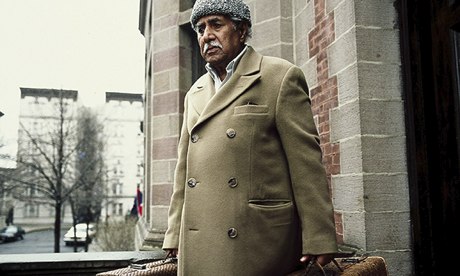
Look back at the life and work of Kumar Pallana, an Indian plate spinner turned Texas yoga instructor turned sought-after character actor in films by Wes Anderson, Steven Spielberg and others.

“He had a certain wise serenity and tremendous charisma,” Mr. Anderson wrote in an e-mail message to The Times. “We had never met anyone even remotely like him in any respect.”

Kumar Pallana obituary

Indian-born actor who brought his ingenuous charm to the hit films of Wes Anderson
Kumar Pallana in The Royal Tenenbaums, 2001
Kumar Pallana in The Royal Tenenbaums, 2001, directed by Wes Anderson. Photograph: Allstar/Cinetext/Touchstone
Some film-makers have lucky-mascot actors who are occasionally to be spotted in small roles in their movies – for instance Dick Miller in the work of Joe Dante or Jack Nance returning repeatedly to David Lynch. It's a film geeks' in-joke, a cinephiles' game of Where's Wally? For Wes Anderson, one of the most original US film-makers to emerge in the last 20 years, that position was filled on four occasions by the delightful and guileless Kumar Pallana, who has died aged 94.
Pallana appeared in Anderson's first three, reputation-forging movies. He played the useless safecracker Kumar in the director's 1996 debut, Bottle Rocket ("Man, I blew it," he sighs memorably as the police close in. "I blew it, man.") He was the school caretaker Mr Littlejeans in Rushmore (1998), Anderson's masterpiece. And he took his most prominent role as Pagoda, the sidekick-cum-butler to the feckless patriarch played by Gene Hackman in The Royal Tenenbaums (2001). He turned up again in Anderson's fifth film, The Darjeeling Limited (2007), set in India.
Pallana was more than just a benevolent presence drafted in to boost the eccentricity quota of those pictures. He had his own varied and colourful life and career long before Anderson was born. Nor was Anderson the first to spot his screen potential: he had already appeared in bit parts in the James Stewart western Broken Arrow (1950) and in Elia Kazan's Viva Zapata! (1952), and appeared as Kumar of India – the name of his off-screen act – on US television in the children's series The Mickey Mouse Club (1956) and Captain Kangaroo (1961). "Each of us has our own destiny," he told the Dallas Morning News in 2004. "Mine is to be an actor."
He was born in India. His father was a car salesman and the family had a comfortable life until falling on hard times during the country's fight for independence. Pallana trained as a gymnast and juggler, and performed as a child in Indian communities across Africa; he also studied yoga. He went to the US in 1946 and found small acting roles. To support his wife and two children, he took work as a juggler and plate-spinner in nightclubs before settling in 1960 in Dallas. There he opened a yoga studio. His son Dipak (who has also appeared in Anderson's films) later opened a coffee shop, the Cosmic Cup, on the studio's ground floor.
Anderson attended the Cosmic Cup's regular chess nights, with his co-writer, Owen Wilson (best known as an actor). "They just finished college, the both of them," Pallana recalled. "They said, 'We are writing.' They wanted to shoot … Bottle Rocket. And I didn't pay much attention to what kind of movie it was. They go to Los Angeles and finally they come and they say, 'Yeah, we are shooting the movie. And here is your part.'" It was precisely that nonplussed charm that came through on screen; Pallana was such an ingenuous presence that it seemed possible he might turn to camera and break the fourth wall at any moment.
His work with Anderson led to more screen roles. Pallana appeared in Steven Spielberg's sentimental comedy The Terminal (2004), John Turturro's musical Romance and Cigarettes (2005) and the science-fiction drama Another Earth (2011). But he was busy with yoga classes and was not exactly waiting for the next script to drop through the letterbox. "Whatever comes, I take it," he said. "I'm an old guy. I don't hustle and I don't bustle. So sometimes you're behind, but that's okay. Your peace of mind is more important. I have seen the people who hustle and bustle, and they are already gone, at a young age. They could have enjoyed life."
He is survived by his son and by his daughter, Sandhya.
• Kumar Pallana, actor and yoga teacher, born 23 December 1918; died 10 October 2013

2013年10月8日 星期二

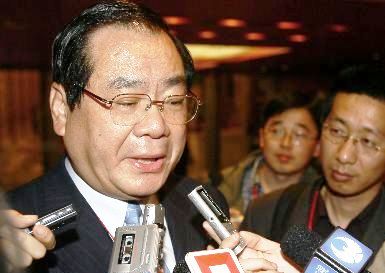
莊國欽。曾永權,吳伯雄

 吳促王提申訴 暗嗆馬勿伸黑手
Ads by Google
宏佳騰Elite 300i夢幻跑旅 www.aeonmotor.com.tw
Aeon黃牌跑旅車,4行程水冷單缸引擎, 最大25Ps馬力,輕鬆征服每一條公路!
〔記者彭顯鈞、施曉光/台北報導〕馬英九總統惡鬥立法院長王金平,藍營矛盾難平,國民黨榮譽主席吳伯雄昨呼籲雙方透過黨內機制解決,由王金平向廉能委員會提出申訴,不過吳也暗嗆曾赴考紀會坐陣鍘王的馬英九,「希望任何人不要事先干涉、事先指示!」
婦聯會昨在圓山飯店舉辦國慶聯誼茶會,馬英九、吳伯雄和國民黨榮譽主席連戰都受邀出席。馬致詞完、正準備離去時,連戰剛好走入大門,已有大半年不曾公開同台的兩人「巧遇」,姿態僵硬地簡短握手寒暄,表情尷尬。
透過黨內機制解紛爭
由於馬、連陣營曾經發生言語互鬥;馬王政爭後,連戰還向馬喊話,強調「對國會議長不能如此羞辱」,立場針鋒相對。兩人昨天「不小心」當面遭遇,也成為媒體關注焦點。
吳伯雄則在受訪時,針對黨內矛盾、團結,語重心長地提出解決之道。吳表示,大家都很憂心,希望這個風波早日過去,呼籲「多一分慈悲、多一份智慧」。
吳伯雄並表示,為了眾生著想,這是一念之間的事,「說難很難,說簡單很簡單」,希望大家放棄個人執著,為眾生著想,呼籲「馬先生也好,王先生也好」,都要有這樣的想法。
至於馬、王是否聽進去,吳無奈地說,應該慢慢感受得到,「應該不難吧!也許我個人太單純了一點!」
吳也提到化解矛盾的解決方案,認為王可循黨內機制提出申訴,強調「王是永遠的國民黨員,希望王能在黨內機制得到重新審核的機會」。
不容任何人事先干涉
吳伯雄特別強調,王可向黨內廉能委員會申訴,「當然,我們也希望任何人不要做事先的干涉,事先的指示!」至於王金平能否出席全代會,吳說,王是黨員,應該可以參加。
此外,根據轉述,國民黨昨晚中山會報也有與會人士表示,目前要處理王金平的問題,最好還是走黨內申訴一途,盼黨內能促成;有人還說︰「黨已經開了一扇門,就看王院長的決定。」但馬英九僅聆聽,沒有做任何回應。
國民黨考紀會主委黃昭元在會中強調,廉能會是公正獨立運作的單位,目前十三位廉能會委員中,半數以上為非黨籍人士,成員包括前法官、調查局長,本月十四日是王金平可以申訴的最後一天。

曾永權銜命 盼王金平勸侯寬仁放棄上訴

http://www.chinareviewnews.com   2007-08-18 09:14:43  


曾永權銜吳敦義之命,前天傍晚與王金平會面。
中評社香港8月18日電/國民黨“總統”提名人馬英九特別費案再掀黨內波瀾。中央政策會執行長曾永權銜黨秘書長吳敦義之命,前天傍晚與“立法院長”王金平會面,希望王出面勸請有親戚關係的檢察官侯寬仁放棄特別費案的上訴,但遭王拒絕。

  聯合報報道,王金平對黨內高層在他拒絕的次日,就拿他與侯寬仁的親戚關係放話、作文章,甚至扭曲事實,感到相當憤怒。他說,侯寬仁是馬英九任 “法務部長”的部屬,關係不是更親密?讓他最生氣的是,那位高層既然要在他與侯的親戚關係上作文章,卻又找人來見他,要他勸請侯寬仁放棄上訴,“這到底是 什麼意思?”

  據透露,曾永權、王金平會晤近半小時,談到大法官會議釋字六三二號解釋及馬英九特別費案等議題;曾表示,吳敦義知道王金平與侯寬仁有親戚關係,希望請王透過這層關係,幫忙勸請侯寬仁不要在馬案提起上訴。

  王金平當場拒絕,強調他不能介入司法案件,他不能做也沒有能力做;王也坦言,他與侯寬仁是有親戚關係,但關係很疏遠,所以長期以來他與侯根本沒有往來。

  王金平昨天公開證實“有人受託”請他勸侯寬仁放棄上訴,遭他拒絕,但他不願多談會談過程及內容。被問到“有人”是否就是曾永權,王笑而不答。至於哪位黨內高層,王金平表示,對方確有提到,但他不願講。

  面對媒體一再追問,那位黨內高層到底是誰?是否即為國民黨主席吳伯雄?王金平說,“他(吳伯雄)不會做這種事。”但接著被問到是否為吳敦義?王則說:“我不想說”。

  對於黨內有人放話指王金平過去半年強勢,是出於對侯寬仁辦案有百分之百信心;王金平相當不滿地說:“什麼時候強勢?如果強勢幹什麼不跟馬英九 選(國民黨“總統”提名)。”黨內有人放這種話根本就是誤導。檢方偵辦特別費案及起訴過程中,他沒說過馬英九應該有罪的話,公開或私下都不願去談或是討論 馬英九特別費案有罪或無罪。

  王金平說,誰沒有親戚,硬要把他和侯寬仁扯在一起,根本是把“土豆仁與土豆干扯成一樣的東西。”

  侯寬仁在朴子市的親友指出,侯寬仁和王金平的外甥是連襟,侯寬仁娶涂淑惠為妻,涂淑惠的妹妹嫁給王金平的外甥。

莊國欽先生簡歷表

中央銀行理事
 學  歷
 美國麻省理工學院材料工程博士
 專  長
 產業經濟、產業科技發展、企業經營與管理
 主要經歷
 一、台灣區機器工業同業公會理事長
 二、立法委員
 三、產業科技發展協進會理事長
 四、遠東機械工業股份有限公司總經理、董事長
 現任職務
邏輯電子公司董事長


作者:游常山 


沿著世賢路來到省道,博愛路,往北,則是,忠孝路,二十年前,我曾經在忠孝路的遠東機械採訪了莊國欽博士,他是美國MIT的機械工程博士,沒有去教書,繼承家族的事業,當遠東機械的CEO。也因為國民黨征召,當過短短一任立委,但是他不愛,很快離開政壇。

記得,二十年前,年輕、還沒有出國唸書的我,和莊博士,大談他留學的美國新英格蘭的大自然,他說在波士頓,因為他愛大自然,曾去New Hampshire州的白山,登山、賞楓葉。

談到企業倫理,我們又聊到,日本德川幕府前、現代性大舉進入日本前,日本佛教的種種。

往事如煙,今天經過他家族的遠東機械,當時採訪他,他約五十歲,如今,應該退休了吧?


莊國欽樂在網球


對一位日常行程表密密麻麻,擁有好多位專任助理,仍然覺得時間不夠用的企業界最高主管而言,安排年假有時是一種奢求,只能將年假切成數段,透過日常生活的休閒活動,取代度長假。一旦能夠挪出一至二星期時間度假,他們通常選擇以鍛鍊身體、放鬆身心的方式度過。
 遠東機械董事長莊國欽,身兼立委,每日有數不清的會議、訪客,昔日的嗜好─音樂,被迫捨棄,「目前可以從事的休閒生活,就是運動!」五十七歲的他,神采奕奕,看來比實際年齡年輕,多拜愛好運動之賜。

南方朔 (2)為什麼不對馬江等人測謊?/ 瘋子已不適任總統和黨主席!/台灣已進入新的軟性白色恐怖的階段 , 山雨欲來風滿樓!


 10.8 今天此文"為什麼不對馬江等人測謊?"某電視台有簡短介紹 不過只提聖經-蒙田-測謊
參考我的書注
文中書林: 【南方朔專欄】為什麼不對馬江等人測謊?.....The Penguin Book of ...


【南方朔專欄】為什麼不對馬江等人測謊?


南方朔

一九九○年,英國的「企鵝文庫」出了很厚一本《謊言全書》,它將分化謊言和對說謊的研究匯總而成,該書五、六百頁,很有價值。可以讀原文原著的,不妨找來閱讀。

在西方《聖經》舊約是最早說不可說謊的。《出埃及記》裡,耶和華頒下十誡,第九誡就是「不可作假見證陷害人」,意思是說「人不可說謊害人」。

後 來,十三世紀最偉大的神學家聖多瑪斯(Thomas Aquinas)在他的鉅著《神學大全》裡用了一段主談說謊。他說人和上帝乃是永遠的對話溝通,上帝也是人的良知。而人神對話,幾個前提,那就是人心必須 乾淨清澈。說謊則會阻斷了人神對話的管道。然後,他對說謊這種行為做了很複雜的分析;說謊有很多種,人們有時候會撒一點小謊,有時候會基於好心而說善意的 謊言,這種謊言雖然不好,但只是小罪,但在各種謊言裡,說謊害人卻是死罪,那是上帝絕對禁止的。聖多瑪斯等於把「十誡」的第九誡做了完整的解釋。由於對說 謊害人定義為道德上的死罪,所以西方社會對說謊害人這種行為才有很高的警覺性。西方法庭上,人們必須按著《聖經》宣誓說不作證,這個動作即由此而來,由此 可見第九誡「不可作假見證陷害人」是多麼重要的戒律和信條。

除了神學家聖多瑪斯在《神學大全》裡對說謊有深入的討論外,我認為西方哲學裡,對說謊講得最好的乃是十六世紀的法國哲學家蒙田。他在《蒙公散文集》裡,有一篇《說謊家必須有完美的記憶力》,該文指出:

一、事情的真象只有一個,所以說真話才會記得,說謊話必須掩蓋許多事實和捏造許多假話,由於假話並非事實,因此它不容易記得,當環境一變,假話的矛盾和破綻就會暴露出來。

二、因此,說謊必須全部造假,今天說的謊言會在明天忘記,加上說出不一樣的謊,說謊愈多愈兜不攏,最後全部穿梆。由於說謊是有這種必然性,因此最好不要說謊。

蒙 田的分析乃是對說謊問題所做的最深入觀察,也最符合語言哲學的道理。他的分析已在台灣獲得了印證。檢察總長黃世銘最近的講話每次都不一樣,在效果上形同另 類爆料,我以蒙田的理論,認為他就是以前說的話隱藏了太多真象,以前說的不是真話,他遂真假攪得大亂,所以後來講的話才後語不搭前語。

西方人從十誡的時代開始,就把說謊列為最高的戒律,因而西方對謊言有著超乎平常的執念,它把不可說謊列為道德信條,也把不作偽證列為司法信條,這也形成了西方對說謊心理學的研究特別發達,測謊術因而興起,這都是我們無法理解的。

因此,黃世銘洩密案,如果發生在美國,像馬、江、羅,黃等人,一定不會只聽他們說的話,而會要對他們測謊作為傍證。因此我懷疑,我們的檢察官為何不對他們測謊?


9.25《星期專論》瘋子已不適任總統和黨主席!

◎南方朔
馬英九對王金平發動整肅式的鬥爭,事情一發生,我在「香港明報」的專欄就以「台灣的政治惡鬥已經開始了」,做了報導及評論,那是香港媒體的第一篇正式報導。
也 正因如此,所以最近幾天,包括香港的「鳳凰衛視」、「南華早報」等重要媒體都好意的打電話來訪問,我都坦白的回覆說「馬英九已經瘋了」。我所謂的「瘋」, 不是精神醫學上的「瘋」,而是權力病理學上的「瘋」。那幾位香港記者都程度不錯,當我說「馬英九已經瘋了」,他們都聽得懂,並發出會心的微笑。
昏君諉罪變暴君
近 代對權力病理學的研究已相當深入。特別是學者和知識份子早已注意到「昏君」變成「暴君」的心理機制。當一個昏庸的領導人造成國事日非,這個昏君一定不會自 我反省,而會以種種陰謀論將責任「諉罪」(Blame)於別人。當他的這種「諉罪」之心出現,於是「昏君」很快就會變成「暴君」。當年的明末最後一個亡國 皇帝崇禎,他自己昏庸誤國,但最後他卻認為是「諸臣誤我」,於是一切良臣武將全都被逐被殺,只剩沒有良心的吹牛拍馬等親信圍繞在身旁。一個大權在握的昏 君,「諉罪」於別人是個太好用最廉價的武器。這就是權力造成的瘋狂。因此,十八世紀英國著名的智慧詩人波普(A. pope)遂說:「最壞的瘋狂,是那種自以為最聰明的瘋子!」
而今天的馬英九就已走在由「昏君」變成「暴君」的路上。他治國無能,現在只剩殺大臣來證明自己道德優越唯一的毒招和賤招。因此,在權力病理學上,馬英九真的已成了瘋子。
當年的英國文豪薩繆爾.約翰森(Samuel Johnson)曾說過,對於這種權力的瘋子,我們應該:
─「當一個這種瘋子,拿著棍棒跑到房裡揮舞,喊打喊殺,我們就要懂得自衛,我們必須用棍棒先將他打趴,然後再回頭來對他表示悲憫!」
因此,在權力病理學上,馬英九真的已是瘋了。他這次公開的站了出來,對王金平展開追殺式的整肅鬥爭就完全是權力瘋狂的行徑。上個星期,我為了了解此案,特別訪問了很久不見的國民黨的相當高層人士,得出了這個事件的完整故事。
四人幫滅王大計
─ 馬英九真正決定對王金平下手,是在八月份他前往中美洲訪問,過境美國時,馬和他的第一號親信、現任駐美代表的金小刀見了面。當時就已決定了「滅王大計」, 返回台灣後,馬又和另外的親信江宜樺、羅智強、黃世銘等三人,編好了「滅王劇本」。因此,馬鬥王的整個計畫,除了馬本人外,台灣政壇上的「四人幫」已由暗 處正式走上了台前,這四人就是金、江、羅、黃!
─馬對滅王大計自信滿滿,「四人幫」成員也態度張狂到極點。九月八日「滅王大計」正式展開 前,府內召開了五人小組會議。出席者有馬英九、吳敦義、行政院院長江宜樺、國民黨秘書長曾永權、總統府副秘書長羅智強。在那個會上,曾永權是個沒聲音的圈 外人,只有吳敦義對「滅王大計」唱反調,據內情人士所告知,吳因為唱了反調,曾受到江和羅的圍剿。知情人士表示,江和羅對吳的圍剿,口氣凶狠,完全不像是 對副元首談話,而像是長官在訓部下,最後馬居然與親信附和,暗示要吳閉嘴,那次五人小組會議後,馬還架著吳去開記者會。在那次記者會上,吳鐵青著臉,不發 一言。事後吳和親友說「我已觸怒了龍顏」,國民黨高層則已有人說,「這次是王金平,下次就是吳敦義!」
「道德法西斯」權鬥
─ 馬這次動用司法機器,靠著非法監聽,而展開整肅式的權力鬥爭。這種方法在當代政治學裡,叫做「道德法西斯」,它是指沒有道德的權力者,透過非法違法的特務 監聽,蒐集政敵、反對黨及不滿人士的黑資料,然後擺出一副很有道德的面孔,將別人鬥垮鬥臭和進行權力的恐嚇及勒索。當年的美國聯邦調查局長胡佛,即為「道 德法西斯」的原型,他透過竊聽監聽,蒐集了三分之一國會議員的公私黑資料,因而可以為所欲為。他並竊聽到馬丁路德金恩召妓的床上錄音,希望藉此將金恩鬥垮 鬥臭。後來尼克森搞出水門案,就是受到了胡佛的啟發。美國總統居然用特務當工具搞出水門案,這乃是不可原諒的大罪,所以美國國會才一致決定彈劾罷免,尼克 森在彈劾案通過前只得主動辭職下台。而今天台灣的領導人對國會院長及反對黨黨鞭非法監聽,而且將監聽的材料自鳴正義的展開權力鬥爭,非法還自認有理,這已 是對台灣人民最大膽的藐視。馬以特務手法鬥王,這已不是手段粗糙的問題,而是絕對不可以的問題。如果一個政黨還敢把這種事稱之為黨紀,這個政黨就已不夠資 格稱為民主政黨,如果台灣有嚴格的憲法法院,人民其實已可要求取消它的政黨資格!
權力病理學的瘋子
因 此,馬英九惡整王金平,對台灣社會其實是上了寶貴的一課。台灣人民已知道權力病理學的瘋子是什麼樣子;也知道了國民黨的黨紀原來就是一個人無法無天的旨 意;人們也知道了不只中國有「四人幫」,台灣的國民黨同樣也有親信亂政的「四人幫」,他們原來如此相似;人們也才知道馬英九表演的溫良恭儉背後是一張多麼 殘酷無情的面孔。現在王金平在司法上確保黨籍上已贏得首勝,這顯示馬鬥王將會有得拖,在拖延中馬的垃圾步將會愈來愈多,他的瘋子程度將會變本加厲曝現在國 人面前。
台灣人應該想一想,這樣的瘋子還能再幹總統嗎?國民黨員也該自問,他還有當黨主席的資格嗎?
(作者南方朔為文化評論者)
*****

台灣山雨欲來風滿樓!/文﹕南方朔


【明報專訊】上個星期恰逢中秋節,又放長假4天,而放假期間,又是天兔颱風過境,整個台灣的話題都是颱風消息,於是台灣最熱鬧的馬英九惡鬥立法院長王金平的新聞,由彷彿跟覑放假一樣,大家也都好像喘了一口氣。


但馬鬥王真的緩和或暫停了嗎?答案當然是「否」。從9月16日星期一開始,這場鬥爭在馬的策略上已告調整,馬從高高在上、自鳴正義、喊打喊殺的姿態突然改變了,他重新擺出溫情的樣子,發動新一輪的攻勢,改打媒體戰,整個台灣的媒體界已在他的壓力下被迫必須選邊,但馬鬥王滅王的決心並沒有改變。台灣已進入新的軟性白色恐怖的階段。
馬鬥王在9月初開始時,馬的攻勢極為凌厲。他自己站上第一線公布王金平的所謂監聽黑資料,他公開表示王已不適任立法院長;他押覑國民黨的考紀委員開 會,開除了王金平的黨籍。在馬的盤算裏,這一連串的攻勢下,王金平的立法委員資格就可以輕鬆取消,他的立法院長也可以輕鬆拔掉。
但馬的算盤顯然打錯了,王金平是個通達法律和政治的行家。他雖然處於極為不利的地位,但他並沒有罵馬,而只是向法院提出保留黨籍的民事訴訟,台北地方法院3個女法官作出了王金平勝訴的判決。這是個歷史性判決,它等於推翻了黨紀大於國法的政治慣例。
因此,由於王金平的表現既有禮、又有理,所以馬鬥王的結果,反而使得王成了受逼害的好人,馬則成了人民眼中以權勢欺侮人的惡棍。台北TVBS電視 台,9月12日公布民調,馬的滿意度只剩11%,9月15日公布民調,只剩9.2% (案:年代電視),對他不滿意的高達80.5%。2006年6月,當時的陳水扁滿意度跌破了18%,馬即公開表示扁應「知恥下台」,而今馬自己跌到9.2%,「知恥下台」這句話已可用到他自己身上。
因此,TVBS公布馬的支持度跌到9.2%,乃是個轉捩點。馬自己顯然也知道,他這種高姿態的鬥王滅王,不但殺不了王,反而「殺敵八百,自損三千」,於是他的鬥王滅王原則不變,但手段已必須講究。於是從9月15日起,馬的媒體戰新策略開始出現﹕
媒體戰新策略 我被《中國時報》逼退
(一)台灣的媒體勢力裏,國民黨畢竟最大,但過去這幾年,由於社會改變,親國民黨的媒體也多少有了一點自主性,會刊載一些批評馬英九的文章。但從9 月15日起,他已親自打電話給親國民黨的媒體,要求停止批評馬英九的文章。我本人就是個例證,我長期在《中國時報》寫專欄,但上個星期就已被《中國時報》 逼退。這種他親自打電話給各媒體的事,台灣新聞界已廣為人知,甚至也鬧出了新聞。
(二)9月16日,乃是立法院開議。根據常理,行政院必須上台報告。由於行政院長江宜樺乃是鬥王滅王的主要推手,民進黨立委要他為不當干涉立法公開 道歉,否則就不讓他上台報告。結果當天江遂無法上台。於是國民黨媒體遂在「立法院公轉」上大做文章,而完全不提行政院干涉立法院是不是違背憲政原則的問 題。台灣的民主有個最致命的缺點,那就是雖然號稱民主,但實質上仍是官本位主義,意思是說仍以行政權最大,民意代表較小,民意代表動輒受到醜化。現在馬英 九就把戰線拉開,他已把立法院無效率當成了最新的敵人,藉此來合理化鬥王滅王。所以上個星期,醜化立法院已成了他的重點。
(三)根據台灣媒體報道,上個星期國民黨已在它的核心地盤發動耳語攻勢。宣稱王金平和民進黨勾結,企圖透過立法院使馬沒有政績,然後有利於民進黨奪 權,這乃是馬必須鬥王滅王的原因。國民黨的核心地區主要都是外省人的省區,因而馬鬥王已變成了台灣省籍鬥爭的新戰場,國民黨已煽動出台灣外省人新的恐懼 症。
(四)馬的高姿態鬥王無效後,他從9月16日起,改採低姿態。他鬥王滅王的決心未變,他仍在法院抗告,希望在法院能夠鬥贏,但姿態已經放軟,他召開 記者會和安排電視訪問,表示「我不是無情無義的人」,只是在爭「要有個是非」,他也願意與王金平「和」,他既說「和」,但鬥爭卻仍在繼續,因此甚至台灣最 挺馬的《聯合報》也承認這是鬥王的「溫情牌」。台灣有個古老的經典漫畫《哭鐵面和笑鐵面》,那個漫畫是在說兩個武俠人物,一個是戴了哭的鐵面具,一個是戴 了笑的鐵面具,而今馬英九乃是哭笑兩個面具在於一身,隨覑需要忽焉這個面具,忽焉就換了另一個面具!
因此,馬鬥王這齣戲,仍未了結。9月16日,台大法律系教授為主、有36個法律學者具名在臉書上發表聲明,指馬英九鬥王已越權干涉到國會自律事項, 跨越了憲政民主紅線。法律學者對馬指摘,對馬顯然有極大的殺傷力。馬鬥王這齣戲,可能要到「九二九」國民黨「十九全」才會見真章,台灣已有好幾個團體,表 示要在這一天集會反馬,宣稱要搞到10萬人以上。它最後會演變到什麼程度,不久之後就會揭曉!
南方朔
《亞洲週刊》主筆


【政治中心/台北報導】名政論家南方朔今在香港媒體《明報》(http://news.mingpao.com/20130923/msa1.htm)爆料指出,馬王政爭後,國民黨改變媒體新戰略,由總統馬英九打電話給親國民黨的媒體,要求停止批評馬的文章,該戰略已奏效,「我本人就是個例證,我長期在《中國時報》寫專欄,但上個星期就已被《中國時報》逼退。」

《中時》撤文事件發生後,《蘋果》社長陳裕鑫立即與南方朔聯繫,取得南方朔同意定期在《蘋果》即時新聞網發表時論專文。

陳裕鑫表示,南方朔是資深媒體人,對時論有銳利見解,他的文章不應遭遇任何干預、審查或是發生撤稿情形,基於服務閱聽大眾及維護台灣言論多元化價值,《蘋果》即時新聞特邀南方朔開闢專欄。南方朔專欄將固定每周二在《蘋果》即時新聞網發佈。

批馬遭撤稿 南方朔:以後不再中時寫專欄
點擊圖片可瀏覽相關圖片
新頭殼取得的2011年5月17日南方朔「這一次北京不和馬英九玩套招遊戲了!」,報紙要進印刷廠的大樣(上圖)已經做好了,但卻臨時被換掉,改成許育典的「友善校園的第一課:同理心」一文(下圖)。圖:新頭殼合成

新頭殼newtalk2013.09.23 林朝億/台北報導

出身中國時報、筆名南方朔的王杏慶今(23)日指出,在中國時報日前再度拒絕刊登他的稿件後,往後他將不再中國時報投稿。他說,在總統馬英九打電話給報社高層後,想要批評馬英九,在國民黨系統的報紙大概沒有機會了。

香港「明報」今日報導,王杏慶今日在明報A28觀點版的評論中透露,因是他寫了一篇批評台灣總統馬英九的文章,已被「中國時報」「逼退」。但「中時」主筆室人員回應稱,並未取消王的專欄。

明報指出,王杏慶昨日對他們表示,他原本在「中時」寫專欄,上週就馬英九與立法院長王金平一事寫了文章,「中時」通知說稿子不能用。王認為做法不合理,決定不再給「中時」寫專欄。他懷疑「中時」是收到「通知」,要停刊批馬文章。

明報訪問「中時」主筆室一名編輯指出,該編輯否認受到壓力而抽起王的文章,「我們沒有取消他的專欄,沒有受到任何壓力」;上週王杏慶來稿標題是「開除四人 幫向王院長謝罪」,指控馬英九與台灣駐美代表金溥聰等商討滅王計劃,「他這樣寫,就要有根據,我們社裏的顧問就跟他講,但他拿不出根據」,「中時」遂決定 不登這篇文章。該編輯強調「中時」並無取消王的專欄,「如果他之後再給我們寄文章,我們看過沒有問題的話還是會登」。

對此,王杏慶今日接受新頭殼訪問時表示,「中時」是透過一位他認識的前主筆向他說,「因為中國時報不好意思跟你說,叫我來告知將不使用」這篇稿件,也沒有說如果修改該段文章後可以刊登。他因此向該主筆表示,以後他不寫了;而該前主筆聽到後回答,「就這樣了」。

他認為,這段時間都怪怪的,因為馬英九打電話給報社高層,因此想要批評馬英九,在國民黨系統的報紙大概沒有機會了。

根據新頭殼先前取得的資料,這並不是南方朔的文章第一次被「中時」撤稿。2011年5月17日南方朔的一篇文章「這一次北京不和馬英九玩套招遊戲了!」,報紙要進印刷廠的大樣已經做好了,但卻臨時被換掉,改成許育典的「友善校園的第一課:同理心」一文。

後來,南方朔接受新頭殼訪問時曾指出,中國時報編輯部當時向他說,該文章裡提到2008年的一段「絕對機密」,國共喜歡玩套招遊戲,「當時正在大選,不罵 北京怎麼行」,訊息傳到北京,「胡錦濤親自下條子,你覺得怎麼說有助於當選,我會理解」,由於有了套好招及下條子在先,於是馬總統不惜重話轟擊溫家寶,甚 至還丟出了重話,「不排除停止派團出席北京奧運」。這對於2008年當選,肯定發揮了相當的作用。南方朔說,「中時」編輯部說,這段絕對機密沒有根據,他 們不能刊登。

跟南方朔遭遇類似的還包括王健壯。2012年11月15日,前中國時報社長王健壯也曾以「漫長的告別」一文,結束他在中國時報「凱撒的面具」專欄。他當時 接受新頭殼訪問時表示,選擇離開的原因,一方面跟蔡衍明還是干涉編輯自主有關;另一方面,也是更直接的是,既然蔡衍明對於他在8月寫的2篇文章不滿,他就 選擇結束在中國時報的專欄了。

王健壯當時還透露,當年8月,他與李念祖、朱敬一等3人,曾跟蔡衍明面對面談了2個小時,主要希望他要盡全力挽留何榮幸、莊佩璋等人才;對於涉己事務的報導必須符合新聞專業;雖然不一定要簽編輯部公約,但應該要尊重編輯部專業,也不要到編輯部開會。

王健壯說,當時蔡正要到上海開會,也允諾會好好想一想。而蔡衍明也的確有段時間,1、2個月左右,沒到編輯部開會。但最後,王健壯還是選擇離開,其中跟蔡 衍明沒能尊重編輯台自主有關。不過,最直接的還是他知道蔡衍明對於他在8月寫的這2篇文章「很生氣」有關。蔡衍明相當不能接受王健壯在文章裡對於蔡的批 評。對於涉己事務的處理方式,蔡也有不同的意見。

2013.8.25
 《星期專論》「馬好人」「王聖人」的真相!
◎南方朔
前幾年,哈佛政治哲學暨倫理學著名學者湯普遜(Dennis F. Thompson)出版了一本論文集《恢復責任感》,書中的有些觀點助我良多, 我在有些文章裡曾提過其中的一些,現在願再談他在〈私人生活和公共職位〉這篇論文裡的論點。
道德標準 必須公私分明
湯 普遜教授指出,私人道德和公共道德乃是不相干的兩回事。私人道德著重在個人生活的一面,自己的居家生活,對妻子兒女以及對友人的態度等;而公共道德則是指 一個政治人物對於公共事務應有的態度,如必須有是非、肯負責、有遠見等。一個人私人道德和公共道德都好,兩相得兼當然最好,但這兩者並無必然的相關性或因 果性。一個私德好的人並不必然是個稱職的公職人物。這種公私道德之辨,美國有過最經典性的討論。那就是一八八四年總統大選,民主黨的克里夫蘭對共和黨的布 萊恩。克里夫蘭公共道德極佳,絕對是個稱職的國家領導人,但他卻私德欠修,他和小三有個私生子的事鬧得好大;但布萊恩則不然,他的私人道德無可非議,但他 無能貪腐亂搞卻人盡皆知,於是那次大選,遂成了「私德壞人,公德好人」對「私德好人,公德惡棍」最經典性的一次大選,幸而美國公民還算有程度, 結果是克里夫蘭當選。如果讓私德無可非議,但無能貪腐亂搞的布萊恩當選,美國史上一定會出現一個黑暗年代。
因此,湯普遜教授在論文中特別對 當今美國政治上,喜歡在私人行為方面做文章,發表了他的批評。他認為一個社會、媒體和公民一定要有公私分明的判斷標準。他有一段話對台灣也極具啟發性。他 說一個社會的公共人物如果過分在私人行為上做文章,處心積慮的精打細算,那就是公共德性上的劣幣驅逐良幣,只會讓人注意謹小慎微的私人行為不出差錯,而荒 廢了政治人物對公共美德及責任感的追求。湯普遜教授已從另一種角度,將好人政治致命的缺點指了出來。由他的論點,我就自然而然的想到,我們社會一度拚命的 宣傳「馬好人」、「王聖人」,到了今天又如何?
滿口仁義道德 愚人自愚
國 民黨是一個本質非常中國的政黨。而人們都知道它的官吏教養就是把滿口仁義道德這一套當做口頭禪,做為愚人自愚的手段。因此,中國是人類史上第一個靠宣傳立 國的王國,皇帝大臣明明得盡了一切特權好處,但他們對那個特權結構從不做任何反省,一個個都在自己的私德是多麼偉大上吹噓宣傳。當皇帝的例必愛民如子,當 大官的必然知書達禮、子孫賢良、生活儉樸,在私德上儼然都是無可非議的好人,但他們對自己的利益卻不放鬆,大話會講但大事卻不做。而他們這種自我吹噓的好 人形象,在中國文化下有個知識陷阱,中國文化講究「修身、齊家、治國、平天下」,它把私德和公德連繫了起來,公德以私德為基礎,一個好官的前提是個好人, 因此自我宣傳是個好人,就可以很容易欺騙別人,讓別人相信自己是個好官,但這種靠吹噓、宣傳、欺騙而得到的好人形象真的就會變成好官嗎?馬英九在他權力還 沒有最大時,做盡一切工夫,要讓人們相信他是個好人,靠著這個「馬好人」的形象,他贏得二○○八大選,二○一二年許多人仍以「不管怎麼樣,他畢竟是個好 人」,繼續投票給他,而今那個「馬好人」安在哉?
馬自從踏入政壇起,就非常明瞭中國式官場及深受中國文化影響的台灣選民的知識盲點,刻意塑 造他是個好人的形象,他溫良恭儉,見人有禮貌,喜歡慢跑作秀,一雙鞋子和一床棉被用了好多年。這種私德宣傳乃是道德上最廉價也最討好的劣幣,人們已不會去 過問他的能力和有沒有公共政策制訂視野等複雜問題,既認為他是個好人,這個馬好人必然是個馬好官。就靠著這種好人形象,雖然那麼多年來他並無任何具體的事 功,但他終究能一路竄起,直到如今。
但這種靠著宣傳而加工製造出來的好人是真好人或假好人,今天大家都應心知肚明。他那句有名的「謝謝指 教」,看起來很有禮貌,其實是一種最不禮貌,它等於是在說「隨便你們怎麼說,老子就是不理你」;他的存款多於他的所得,顯示他所宣稱的捐款都是在用特別 費,這其實是自私而非慷慨。除了這些私人行為外,宣傳來的好人,宣傳久了自己也會信以為真,認為自己是好官,於是自以為是、擇惡固執的獨斷獨行遂告出現。 騙人的最後是騙到自己。「假好人、真劣政」因此而形成,今天台灣搞得天怒人怨,遍地烽火,就是馬好人所造成的。
假好人真劣政 扭曲民主
除 了「馬好人」的騙局已被自動拆穿外,我還順便談一下王建煊這個「王聖人」。「王聖人」也是靠著形象塑造而竄起的人物,最後成了最高統治核心五院院長之一。 他絕對有權去推動監察權的改革,但他出任院長迄今,正經事沒做幾件,無聊事倒是鬧了不少,他說「馬的歷史地位就是無能」,在無能的領導下,他就應無所眷戀 的辭去職位;監察權不彰乃是他的責任,他就應辭職負責,以他的下台刺激出監察院的改革風潮。但講了這麼多話,他只是像個路人甲般不提自己辭職之事,他這個 聖人聖在哪裡?更像是個只在那裡狗咬狗的小丑。
因此,「馬好人」、「王聖人」攏係假,他們靠著宣傳私德而賺到名號,但在公德的責任心上都相當低劣。湯普遜教授說:「在討好的私人行為上精打細算,最後會扭曲民主,蛀壞了責任感。」他講的真是有道理啊!
(作者南方朔為文化評論者)


----2011.6.18
許達然老師早上九點多時,臨時決定上台北找朋友談天。結果計程車20分鐘,高鐵50分鐘,台北就到了;而且憑證件可半票優待。幾乎等於他從芝加哥郊區進城的時間。
陳忠信夫婦,我家兩人,趕快請許老師到台大的「新月台」暢談;從吃 brunch 到下午茶。約2小時之後,忠信打電話約許老師的老有南方朔先生來談天----所近兩周都不讀新聞,所以今天才知道施明德先生開記者會告南方朔先生、真是的。
我們聊了一大陣子,到台大校園散步並晚餐。餐後繼續在樹下談半鐘頭,我們再先送南方朔先生回去—約10年前,他們在我家開過一次會,那時我就說他是台灣第一健筆、現在依然如此。

(2013補:當時談到某山內部都是雷達顯示......可能是60年代著名的Dr. Stranglove電影中的War Room嗎----這電影史上最壯觀之一景. 連雷根入主白宮時都要先問它在那? "報告總統 白宮沒這戰情室!"  據說雷根回答:"電影中不是有這嗎?")


我們從許老師知道東海的許多事情、多少很感傷。忠信談有次參加國家文藝獎的頒發儀式、主辦單位將它委外主持,其文化素質簡直是對所以與會者是侮辱又、主委和馬總統都有很沒水準的語言,真是充分表示台灣的玩笑國家獎。
東海的故事之一竟然是要設徐復觀講座、被家屬控告。另外,我對於校友會介入學校的內鬥、深不以為然。
2月前將「教育人行道」blog 加上「東海大學哀歌」等標題、不幸言重。
我跟許老師說,希望他下回想上台北,就要像今天這樣一氣呵成。


就某方面而言 南方朔先生是'書呆子'
不過台灣更多是些不學習有心術的人


南方朔觀點-不能讓沒有資格的人發號施令

幾年前,當我首次讀到德國評論家哈夫納(Sebastian Haffner)所寫的《德國人的故事》時,內心澎湃良久,因為作者以極其細密的觀察,紀錄了當時德國人心靈的墮落和納粹的興起。

 其中,讓人感觸最深的是一九三三年哈夫納以實習法官身分見證到的柏林高等法院的一幕。一群流氓式的納粹褐衫軍突擊隊侵入法院大肆叫囂,大吼「猶太,滾出 去」,他們是毫無資格向人發號施令的人,但在頤指氣使的脅迫下,法院居然有人說「早就滾了」。後來有個突擊隊員問哈夫納:「你是亞利安人嗎?」雖然對方毫 無質問別人的資格,問的也是個假問題,但他當時還是囁嚅的答說「是的」。後來哈夫納氣自己,真想打自己耳光。因為這代表了他的良知已失敗投降。世界上有一 種人喜歡對別人進行操縱,藉著實質暴力、氣氛暴力或語言暴力,迫使別人回答一些假問題。這是種思想學術的控制,人們對它的警號已需提高警覺!因為許多的更 大的迫害都從此開始。

台灣喜歡夸夸而談人權,但其實台灣人權的倒退早已舉世有目共睹。今天台灣已無明目張膽的政治迫害,但政治上的欺壓已轉化成了以性別歧視為外形的模式,單身未婚女性的被妖魔化,更是其中的常見。

舉例言,前副總統呂秀蓮長得相貌普通,毫無貴婦架式,二○○○年台灣政治變天,如果人們不健忘,當還會記得有人即在她的醜上做文章。更可惡的乃是當時有個 神經男子做了許多看板,演出向呂副總統求婚的出人洋相鬧劇;鬧劇中則隱藏著相貌歧視,這些行為都惡劣無品,在我的新聞良知裡,它根本沒刊載價值,但當時媒 體卻大登特登,儼然成了美醜歧視及對女性單身未婚歧視的幫凶。

 其實,台灣的性別與性向歧視是相當嚴重的,台灣受到古代三妻四妾舊文化影響,男子到處劈腿,性伴侶多到好幾個手掌數不完,這是雄風的證明,也可美名化稱 之為風流;而對女子則是另一套標準,甚至到了單身未婚都被說成了是一種道德上的罪的程度。中國古代的無聊男子文人特別喜歡在尼姑這種不婚出家人身上發揮性 淫蕩想像力。現在對女同性戀問題了解多了,這種性狂想迷往女同性戀這個方向發展,女子只要過了適婚年齡仍單身,一定是性向出了問題。在蔡英文性向問題上做 文章,話是說得冠冕堂皇,但說的人知道,聽的人也知道,這是要把蔡英文的單身未婚往女同性戀這個方向扯,讓蔡英文直接去面對歧視女同性戀的文化,他是挖個 洞要強迫蔡英文跳,如果說這不是惡意,那麼世界上再也沒有什麼是惡意的事了。

近年來西方進步的學術界日益重視到政治「操縱」 (Manipulation)這種新現象興起,所謂「操縱」乃是指政黨及政治人物愈來愈擅於藉著掌控媒體和製造新聞、詭辯的言詞,強辭奪理來炮製各樣假議 題,而在假議題裡則都暗槓了原本的歧視文化因子,挑撥離間等因素。最近這段期間,由於政權防衛壓力大增,台灣的政治操縱已各路人馬紛紛上陣。當代操縱學專 家洛西可夫教授(Douglas Rushkoff)指出,操縱得太多,只會讓是非更形混亂。性向風波一事,居然有人宣稱這是施明德在暗助蔡英文,當話講到已無話可說,這種渾話都講得出來,是非顛倒到這樣的程度,真讓人夫復何言!(作者為文化評論者)

蔡烱燉,佐々木 理臣 (溫紳悼)

  
 《星期專訪》蔡烱燉︰程序正義 比實體正義更重要

高等法院庭長蔡烱燉。(記者廖振輝攝)
記者鄒景雯/專訪
多 年來持續推動司法改革的高等法院庭長蔡烱燉,接受本報訪問指出,台灣是個尚在起步階段的法治國家,還未達到一般民主先進國家司法獨立的水平,國家必須要有 更多的投資。他同時強調,程序的正義絕對比實體的正義來得重要。不依循正當法律程序所獲得的個案結論,必然是司法公信力的致命傷。這是所有法律人應該嚴守 的價值觀。
問:特偵組究竟應存應廢?
蔡烱燉︰特偵組的存廢問題,是個政治問題,也是司法改革的問題。法律人當初提出要建構這 制度的時候,一定曾思考它要達成某種特定的目的,但實施幾年之後,再反思過去幾年來特偵組的表現,是不是有達到這樣的目的?或者當初想達到的目的,是否透 過原有的機制,也同樣可以達到?如果仍然不能達到,才有思考是否繼續維持的問題。
我個人對這樣的問題,不便說它存在或不存在好,如果目前透過一些調查的檢討,發現特偵組的存在確實弊多於利,就沒有存在的必要了。
司法獨立 不是政府說了算
問:您對總統在今年國慶演說提到司法獨立而公正,有何看法?
蔡: 總統提到一個成熟的公民社會,其所要展現的面向就是優質的民主,也就是在憲政主義的原則之下,人權獲得保障,法治獲得貫徹,司法獨立而公正。我想司法獨立 而公正,不是一句口號,不是政府或司法機關說司法獨立而公正,就是獨立而公正,必須考慮人民的感受,從人民的角度觀察。講白了,人民到現在似乎普遍認為我 們的司法還沒有達到這樣的程度。基本上,我個人覺得我們可以算是一個法治國家,但可能還是在起步的階段,還未達到一般民主法治先進國家司法獨立的水平。
司 法獨立而公正是一條漫長的路。從清末民初,我們就在講司法獨立,在中國古代,行政立法司法三權是合一的,司法權附庸在行政權,對人權保障相當薄弱,這當然 不符合現代民主法治國家的面向。從清末民初算來,我們國家在司法獨立這條路已經走了一百餘年了,到現在仍然無法讓人民心中感受司法已經真正獨立了,實在有 點諷刺。
目前大部分的法官基本上都滿盡責的,兢兢業業地工作,但人民不見得看得到,或者,法官做出一個裁判的意見,人民不見得滿意,因為無 法滿足人民心中的法律情感。就這點,或許有的法官要多深入了解社會一般人的想法,因為法官也生活在社會當中,不可能離群索居。人民在想什麼,法官必須深入 地去了解,也不能裝著不知道。但是,法官也不能因為要迎合人民的想法,把自己對於法律的信念或堅持放棄掉,因為這樣一來法官反而不獨立了。人民或媒體對於 一般民主法治國家關於司法獨立的界定,可能也沒有正確的掌握,如何讓人民有正確的瞭解,除了法官,也要司法行政機關、媒體的共同努力。
司法公信 建立在正當程序
問:社會對司法沒信心,主要出在對公平的疑慮,您如何看待?
蔡: 很明顯的,今天如果可以透過關說來影響裁判的結果,那一定不公平。若有權、有勢或者有錢的人可以透過這樣的方式來影響司法,人民當然不可能會相信司法。但 是不是有關說,如果有法律上爭議,自然必須經過法定程序去認定,在法定程序尚未走完之前,大家或許不宜肯定地去說哪個人一定怎麼樣,否則就是「未審先 判」,也與無罪推定精神有違。
程序的正義絕對比實體的正義來得重要,這是所有法律人應該嚴守的價值觀。一個人即使做了怎樣的壞事,也必須給 予程序的正當利益,不能透過違法的手段來取得事證,例如不能為了拿到所謂的不法事實,而用強暴、脅迫、或者刑求等不擇手段的手法。大家所欽佩的古代包青天 的辦案方式——屈打成招,在現代是違法的。也許大家又會說,這樣壞人跑掉了怎麼辦?這就是法治的代價。我們究竟是要「寧枉勿縱」?還是「寧縱勿枉」?這是 價值選擇。我們如果不嚴守程序正義,一個好人可能因為程序不正義而受到冤枉,如江國慶、洪仲丘等事件。
至於禁絕關說,不在如最高法院以前所 設計的保密分案制度,而是在每位法官的心中。別人的不當說項,法官本來就要斷然拒絕,而且現在法官倫理規範或相關規定,要求法官得知有不當情況時要提出報 告,這就是要讓整個司法程序透明。誠實,是司法人很重要的性格,如果司法人無法誠實,養成過程就有瑕疵。
司法改革 講求品質與效率
問:司法人推動司法獨立的過程中,遇到的優先困難有哪些?
蔡: 司法獨立而公正,這個口號很漂亮。但真的要達到,不是那麼容易。國家必須要投資,否則巧婦難為無米之炊。我想說的是:我們國家對司法的投資其實是相當有 限。即使以現在來講,我們的司法預算佔總預算不過是百分之一左右。司法是國家社會安定的力量,若靠百分之一要來撐,是否適切?或許古早時候是百分之零點 幾、更少,林洋港當司法院長時,由於黨政關係良好,可以爭取到更多,但這就不健康了,等於政治力可以掌控司法的褲帶,那豈不是可以透過政治來影響司法?
司 法改革講白了就是兩個,品質與效率。法官的裁判品質好不好,效率高不高,一個案子是否拖個二、三十年?這就牽涉到訴訟制度的建構。案子會拖很久,可能是 一、二審的品質不夠好,另外也可能是三審不願意讓它確定,案子一直來來回回,因此,金字塔的訴訟制度與人事制度是否要趕快建立?
我們法官的 人數大約一千八左右,就法官與人口的比例,我們是高出日本與韓國不少的,這就顯示我們的效率不見得比人家好。為何會如此?問題在於人事結構與訴訟制度。以 最高法院為例,日本有十五位法官,我們國家實質的最高法院包括大法官、最高法院、最高行政法院與公懲會的人數,超過一百二十位,不算人口比例,已是人家的 八、九倍。光由此看來,即可想見我們司法效率的競爭力不如人。
此外,就是裁判品質,裁判品質從另一角度來看,與人的品質有密切關係。品質好的人,簡單的工作或較難的工作都交給他,他會以常態心來辦案;反之,就可能會為了成績或其他理由,大案小辦、小案大辦,這就會影響裁判品質。
人的改革,牽涉到整個司法文化。司法文化的改變,無法一蹴可幾。然,應該往這方面去努力。
我 要強調的是,司法公信力的建立,絕不會因任何一個個案的結論,受到人民或輿論的肯定而改觀,而不依循正當法律程序所獲得的個案結論,必然是司法公信力的致 命傷。司法是社會安定的基礎,如何建構優質的司法,有賴有權者無私的擘劃,以及有關機關與人民及輿論的支持,畢竟國家是大家的。


 ----

佐々木 理臣先生一定是我90年代初初履上海: 驚訝那樣多的日本人在那兒懷舊和做生意....之一員/ 他一定是孫文等人的革命日本人朋友的化身/ 我可能在上海的花園大酒店Okura有一面之緣 hc
 溫紳(蔡漢勳)的老友
《東京新聞》支局長佐佐木理臣是多年老友
(早在1989年香港支局長任內),他是唯一曾經負笈人民大學、
在兩岸三地服務(曾奉派為上海支局長)的日本記者。
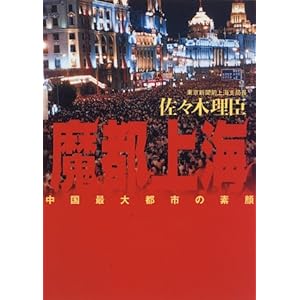
著有《魔都上海―中国最大都市の素顔》(讲谈社)...
溫紳 佐佐木老友...令我動容的是:他表示台灣打獨立戰時~他將是第一個報到的日本兵! 可惜壯志未酬...人


敬悼故友佐佐木,此係攝於關子嶺「水火同源」,因其病情遵醫囑亟需以溫泉進行療癒,故特別在他最後一趟台灣之旅安排前往這處黑泥漿溫泉鄉,當晚轉往新營參加賴清德就任台南市長晚會!生平光棍的故友,弔詭得穿著過去未曾目睹之紅襯衫(討喜?),當時不便過問緣由;不過,讓人印象至為深刻的是,相偕聯袂前往宮古、下地、石垣等八重山列嶼採訪的終點站,在日本國境最西端的與那國島地理碑,適逢夕陽西下之際,當時彩霞滿天,台灣中央山脈遙遙可望,只見他以致敬禮姿勢向夕陽落處行最敬禮!那一瞬間,永銘我心!別矣〜佐佐木桑,來日終將再把酒言歡,只希望黃泉道上一路好走、化為千風庇佑台日。
話作千風台語版 https://www.youtube.com/watch?v=rTF43tBeTLA


 魔都上海―中国最大都市の素顔


魔都上海―中国最大都市の素顔 [単行本]

佐々木 理臣

内容紹介

誰も書けなかったカネと権力の百態百様
張りめぐらされた監視網、腐敗と拝金主義と差別の極みのなかで、人々は「豊かな中国人」へ盲進している。新聞に書けなかった迫真ドキュメント・28話!

上海は常住人口1350万人、流動人口300万人をかかえる中国最大の都市だ。ひしめく自転車、リヤカー、路線バス。大きな荷物をかかえたお上(のぼ)り さんたちが、ピカピカのリムジンでご出勤の「富裕階級」の豪華さに目を丸くする。夜の帳(とばり)がおりると、「香港を抜いた」とさえ言われるまばゆいネ オンの繁華街は買い物の市民、観光客、物売りらでごった返す。上海在住の日本人は約3700人、日系進出企業は2400件、海外からの旅行者は年間100 万人を超えた──。殺到する外資を貪欲にのみこみ膨張するこの街の正体はいったい、なんだろう。社会主義体制と保守的な体質が癒着して起こるさまざまな軋 轢(あつれき)や「権力と金の取引」のありさまは、想像もできないスケールと激しさだ。「パンドラの箱」の封印が解かれ、飛び出した欲望の「悪魔」が理性 と秩序の「希望」を追い散らしているような街──。(本文より抜粋)

内容(「BOOK」データベースより)

張りめぐらされた監視網、腐敗と拝金主義と差別の極みのなかで、人々は「豊かな中国人」へ盲進している。新聞に書けなかった迫真ドキュメント・28話。

登録情報

  • 単行本: 362ページ
  • 出版社: 講談社 (1996/03)
  • ISBN-10: 4062080788
  • ISBN-13: 978-4062080781
  • 発売日: 1996/03

網誌存檔