2014年1月31日 星期五

詩人 W.D. Snodgrass, 臨終受訪的感想


Launch media viewer
W.D. Snodgrass, Pulitzer-winning poet, at Emory University in Atlanta in April 2008. Erik S. Lesser for The New York Times
Somber news comes with the territory I patrol as obituaries editor for this newspaper, and it was in that capacity I learned that W.D. Snodgrass was dying.
A colleague had been reading email one morning in the fall of 2008 when he called up a message that had been sent overnight. It was from a woman, he said, who wanted to advise the obit desk that her husband, a poet, was losing his fight with cancer. Knowing that The Times, for practical reasons, will often prepare an obit while the subject is still alive, she said, she wanted to give us a heads-up about his condition.
What was the poet’s name, I asked.
“W.D. Snodgrass,” my colleague said.
It brought me up short.
In the winter of 1976, I was a graduate student at Syracuse University, and Snodgrass, a Pulitzer Prize winner, was a literary celebrity on campus. Our paths had no reason to cross in the classroom; he was teaching poetry, I was being schooled in journalism. But I had an assignment — to write a profile of a person of my own choosing — and I suppose it was the residual English major in me that drew me to someone in the literary trades. So I called him and he agreed to an interview, inviting me to his house.
It was a wet, cold and gray March morning when I drove deep into the frozen farmland of central New York. Snodgrass’s house sat back from the road on a snow-covered slope that beyond the backyard steepened into a wooded hill. He greeted me at the door. Tall, bearded and robust at 50, he had the merry eyes of a man perpetually amused by the world.
We talked about poetry and his life for probably an hour. I went home and wrote the article, received a satisfying grade and peddled the piece to an alternative weekly newspaper in Syracuse. Happily it was accepted — my first professional byline — earning me enough to buy dinner (at a diner).
I didn’t hear from Snodgrass afterward, but no matter: The world spun on, and as it did, the half-dozen copies I’d saved were scattered to who knows where, until the pile had dwindled to one, left to yellow in a box under similar memorabilia.
Launch media viewer
The author's first article as a professional journalist. 
But now, as he lay dying, I had a fleeting thought: What if I went to see him again, to talk about his life, literature and perhaps, with his so near, death? I contacted his wife, Kathy Snodgrass, a critic and translator of literary works. She talked it over with De, as his friends and family called him, and soon got back to me.
“When I asked De his thoughts on an interview,” she wrote in an email, “he pretty much said no, not for what I’m guessing is the most frequent response, that someone isn’t prepared to admit the end is near, but rather that he thinks dying persons’ opinions on life and art are suspect.”
It had been 32 years, and though the words came filtered through his wife, his tone and manner suddenly returned to me: direct, impatient with high-flown sentiment and a bit disarming, not unlike his poetry. I feared I had left a misimpression, however. I did not want to speak to him for his obituary, I assured Ms. Snodgrass. This would be an article that he might, if he held on, actually read.
Two days later she wrote back: “De says yes, he’d be happy for you to come interview him.”
So on a brisk fall morning, I again drove deep into central New York, now heading north from New York City on a trip that began in sunshine and a wildfire of foliage but soon, predictably, cooled and clouded over.
William DeWitt Snodgrass spent a half-century or more writing poetry, most of it vigorous and plain-spoken. In the 1960s, the poet and critic Gavin Ewart was unequivocal in calling him “one of the six best American poets today.” (“Who the other five are would be arguable,” Ewart added.) Some critics placed Snodgrass in the confessional school, which by his lights was a wrongheaded and too-easy label, as if his poems were nothing more than a coming clean about his transgressions. His verse was a one-man soul-baring operation — honest, sometimes piercingly frank, often wry and witty — that might uncover universal truths along the way.
He could mock himself (“Your name’s absurd,” he wrote in an early poem); proclaim his presence (“Snodgrass is walking through the universe”); and mine his anguish, as he did in “Heart’s Needle,” probably his best-known poem, about the loss of a child through divorce. He wrote:
Winter again and it is snowing;
Although you are still three,
You are already growing
Strange to me.
His was an inward-turning art that appealed to a generation younger than his — one torn between communitarian ideals and a self-involved thirst for emotional and professional fulfillment.
He published more than 30 books of poetry, criticism and translations. He taught generations of young writers and read his work in public often and avidly with a theatrical flair, a product of his formal voice training as a younger man and an ear for music he said he had been born with. He won a fair share of acclaim, most notably in the form of the Pulitzer in 1960, for the volume “Heart’s Needle.” His friend and mentor Robert Lowell found inspiration in that collection, Snodgrass would recall proudly.
I found him in a spare room at the top of a narrow staircase sitting up in bed, a tube in his nose. I pulled up a chair, and so did Ms. Snodgrass.
The poet did not remember our interview from 32 years earlier, and when I heard this I blinked a couple of times and looked down at my notebook, humbled. I suppose we delude ourselves to think that whatever impression we leave with others will be lasting.
Despite his illness, Snodgrass was in fine spirits, and for the next hour or more he talked to me again about his poetry and life: the failed ambitions to be a musician, a timpanist; his war experience in the Navy in the Pacific; his joining a writing workshop at the University of Iowa, switching from playwriting to poetry and finding himself learning from the likes of Lowell, John Crowe Ransom, Karl Shapiro and John Berryman; the suicide of a young friend with whom he had exchanged poems in the mail and then discussed them over the phone.
He told of growing up in Beaver Falls, Pa., where he played the violin well and tennis badly. He spoke of his conflicted feelings about his parents: the obstinate mother he blamed for his sister’s death from asthma at 24, the competitive father, an accountant, who believed that his son’s winning the Pulitzer “unhinged his position” of authority in the family, or so the son said.
But, as his wife had intimated, Snodgrass would not speak of illness or death. (“Everybody has said everything that can be said about it,” he declared.) Nor would he discuss more vaporous matters like the source of his creative impulse. “That’s a critic’s question,” he would say.
Still, I had enough material and drove away with every intention of writing about him and our meeting again after so many years.
We all know about good intentions. Soon came a pileup of holidays, end-of-year workplace responsibilities and my own habits of procrastination, and it was January before I started.
Then, on the morning of Jan. 14, I logged on to my computer to find an item by The Associated Press. W.D. Snodgrass, it said, had “died at his upstate New York home after a four-month battle with inoperable lung cancer.”
I let loose an expletive and sagged in my chair. I who had been taught on the job about the unpredictability of death had not learned my lessons well enough. Whatever I might write now he would never read. Still, I couldn’t let it end there. I contacted Ms. Snodgrass, expressed my condolences and assured her that, yes, we would publish an obituary.
I had edited obituaries for several years but had never assigned myself to write one; we have an able staff of reporters. But it was clear to me that I would have to write it – not because I knew the material, which I fairly did, but because I felt compelled to finish what I had begun that fall morning as I’d headed back into central New York to knock once again on the poet’s door.
I’m not entirely sure what lesson to draw from this. Writing the obit and seeing it published oddly put me in a mournful mood, one I had never felt in a job that demands detachment. I suppose that with Snodgrass’s death, I was forced to acknowledge what else had passed away, my youth. But I also felt a quiet satisfaction. On a country road I had retraced some steps, and a path taken long ago had somehow, fittingly, come full circle.

2014年1月29日 星期三

台灣的新佛教徒Meeting Taiwan's new-age Buddhists By Cindy Sui

http://www.bbc.co.uk/news/world-asia-25772194


Meeting Taiwan's new-age Buddhists


Volunteers serve food at a Tzu Chi event on 18 January 2014Taiwan's Buddhist organisations are increasingly looking to help out those in need
Sorting through a large pile of used clothes and household items, Hsiao Hsiu-chu is the picture of a new-age Buddhist.
The 63-year-old retiree used to practice her religion by praying at temples, but now she volunteers seven days a week at a recycling centre to raise funds for Taiwan's Buddhist association Tzu Chi.
"I have no time to go to temples. Praying is not important. Coming here every day is like praying," said Ms Hsiao.
This is not how most people practice Buddhism in Chinese-speaking or even non-Chinese Buddhist societies. Their faith is usually self-focused: praying for protection in their current life and to be born into a better life after they die.
But Taiwan is leading a quiet, yet powerful movement that has turned traditional Buddhism on its head, converting many Buddhists such as Ms Hsiao into doers, not just believers.
Hsiao Hsiu-chuFor Hsiao Hsiu-chu, Buddhism means taking action rather than praying
Burning paper money and incense is discouraged - it's bad for the environment. Going to temples is low priority. Even praying too much is frowned upon.
The focus now is on what the Taiwanese call "humanistic Buddhism" - caring for others and for society. It returns Buddhists to the core principles of Buddhism - speaking good words, thinking good thoughts and doing good deeds.
"According to Buddhism, it's not enough to have benefits for oneself only, you must also have benefits for others. We should try to help as many people as we can to be relieved of suffering," said Head Abbot Hsin Bao of another major Taiwanese Buddhist association, Fo Guang Shan.
The practice has helped Taiwan's leading Buddhist organisations expand in unprecedented ways.
Statues of the Buddha at the Fo Guang Shan temple in southern TaiwanThere are thought to be between half and one billion Buddhists around the world
Tzu Chi Foundation - which is at the vanguard of the movement - has seven million followers, including two million overseas.
Its 100,000 volunteers in Taiwan are seen everywhere in their trademark blue shirts and white trousers. They recycle plastic bottles to raise charity funds, check on elderly people living alone, provide support to poor and at-risk families, tutor children and help respond to natural disasters.
Another influential Taiwanese Buddhist group, Dharma Drum Mountain, regularly holds "Buddhism 101" classes to teach people how to apply the philosophy to their lives.
In one recent class for about 200 people, a psychologist used Buddhism's teachings to advise students on how to recognise and work on their own negative emotions, and how to deal with troubled family relations.
"Buddhism's teachings can be used everyday and where's the best place to use them? In your family," Yang Pei told the class.
Fo Guang Shan, meanwhile, holds youth camps for children.
"These organisations are very different from traditional Buddhism," said Kuo Cheng-tian, a professor at National Chengchi University. "They emphasise lay believers running temples and Buddhist organisations, not just monks. And they use ordinary believers to lead charity missions."

Buddha statue at the Fo Guang Shan temple in KaohsiungAnnual cleaning is a big event at the Fo Guang Shan temple in Kaohsiung, in southern Taiwan.
1/5
It is unclear how many Buddhists there are in the world. Buddhism is not an institutionalised religion and many Buddhists also believe in other faiths. But some estimates suggest there are half a billion to one billion Buddhists globally, making it the world's fourth largest religion.
What makes Taiwanese Buddhism unique is its strong emphasis on helping society. Tzu Chi, for example, has provided post-disaster relief in more than 84 countries, including in the Philippines, where it recently paid 50,000 households to rebuild homes destroyed by Typhoon Haiyan.

Buddhism in China

With growing pressure in their rapidly changing society, people in China are increasingly turning to Buddhism. But while a lot of money has been poured into rebuilding temples destroyed during the Cultural Revolution, and the temples have collected a vast amount in entrance fees or donations, they don't have the practice of giving back to society, said Fu Xinyi, a Nanjing University academic who specialises in Buddhism.
"They build temples for tourism, for money, but they don't know how to spread Buddhism's ideology," Mr Fu said. "This is regrettable. Society has so many problems, Buddhism should play its role in helping people and giving them spiritual guidance."
Mainland China can learn from Taiwan, he said, but the government's suspicion of religions will limit Taiwanese Buddhists' ability to spread humanistic Buddhism there.
"They can spread the ideology, but the actions can't be as big as in Taiwan because the government will feel threatened," Mr Fu said.
Still, China's people and even leaders are becoming more familiar with Taiwan's Buddhism.
Tzu Chi is the first foreign non-governmental religious organisation to be allowed to set up a branch in China. Chinese President Xi Jinping also recently met with Fo Guang Shan's Master Hsing Yun, who is popular in the mainland.
Chinese leaders may be realizing Buddhism can be a stabilising force in society.
And although Buddhist groups have traditionally been less active, compared to Christian counterparts, in spreading their religion, that is changing.
Taiwan's major Buddhist associations have their own TV channels, publishing houses, and news agencies, as well as hospitals and universities. They send volunteers to schools to teach children about good behaviour, through storytelling.
But they say they are not trying to convert non-believers.
"We see no need for you to be converted; we're not aiming to proselytise," said Chien Tung-yuan, a Tzu Chi spokesman. "From the beginning, Shakyamuni (Buddha) taught people to help those who are suffering, without conditions, and not to want anything in return."
Changing the way Buddhism is practiced has not only led to a revival of the religion in Taiwan, but its expansion overseas.
Fo Guang Shan, for example, has 200 temples worldwide, including 20 in Europe and 24 in the US, not just for overseas Taiwanese but local people.
Dharma Drum Mountain, meanwhile, has 125 chapters worldwide, while Tzu Chi boasts many branches in 48 countries. In Malaysia, its members jumped from 100,000 to one million last year.
"We want to use Taiwan as a base to spread Buddhism to mainland China and the rest of the world," said Fo Guang Shan's Head Abbot Hsin Bao.
A mass wedding at Dharma Drum Mountain in northern TaiwanA mass Buddhist wedding in northern Taiwan: Part of a trend to make the religion an integral part of daily life
Taiwan is also helping mainland China rediscover the religion. Although Buddhism has nearly 2,000 years of history in China, it had diminished in importance in recent centuries because of wars, political turmoil and suppression, and a focus on modernisation.
Millions of Chinese listen to Taiwanese masters' teachings on DVDs or MP3s. They download material from websites and spread them online.
With improved relations between the two sides in recent years, many Chinese Buddhists leaders and adherents are now able to travel freely to Taiwan. Taiwan's Buddhists also can more easily spread their message in the mainland, even if it is in low-key ways such as repairing a temple or promoting "reading clubs" - similar to Bible study.
A volunteer cuts a man's hair at a Tzu Chi event on 18 January 2014Affluence means Taiwanese Buddhists have more time to help out, like at this hair-cutting session
Scholars believe Taiwan is playing a key role because many charismatic Buddhist leaders fled to the island after the Communists took over the mainland in 1949. Influenced by the respected late Buddhist leader Taixu's calls for contributing to society to gain enlightenment, the masters and their disciples made the idea a reality.
Taiwan's groups were also influenced by Christianity, adopting practices such as doing charity work.
At the same time, growing wealth here meant Taiwan's middle class, especially elderly people, have more money and time to help others, as they seek meaning in life.
Back at the Taipei recycling centre, more bags of used clothes arrive for Ms Hsiao to sort.
She said putting Buddhism's teachings to practice has given her the strength to cope with her mother's sudden death and helped her improve relations with her children.
'It's opened the knot in my heart,' Ms Hsiao said. Her advice to other Buddhists: "Don't just believe in Buddhism, do something to help others."

2014年1月28日 星期二

徐自強:劉秉郎:莊林勳:蘇建和:


2014年1月28日  廢話電子報第41期 新春特刊


對一般人來說,過年與家人團圓是再自然也不過的事,但是對於在看守所中度過春節的人來說,過年的氣氛卻是格外難受的。這期電子報,我們製作了新春小專輯,邀請四位「前死刑犯」分享他們的新春感言。

徐自強,被認為涉入一九九五年的建商撕票案,沒有具體證據,僅憑其他人的自白就被判死刑。他的案子纏訟至今十九年,期間經歷九個死刑、五次非常上訴、一次大法官釋憲,徐自強也因此案被羈押十六年,二○一二年五月十九日,因為適用於《速審法》羈押超過八年的規定而獲釋。
徐自強被關時,兒子剛上小學,兩年前他獲釋,兒子已經大學畢業。他在獄中受苦,家人生活也不好過。去年春節,徐自強獲釋後第一次與家人一起度過。今年的春節即將來臨,徐自強官司還沒真正定讞,他還在等候一個真正的自由人的闔家團圓。關於徐自強案,更多相關訊息在徐自強案:正義還在路上
至於被稱為台灣司法改革里程碑的蘇案,從判處死刑到成功平反,歷經了二十一年。一九九一年八月,蘇建和、劉秉郎、莊林勳被捕,罪名是與王文孝共同殺害汐止的吳姓夫妻。三人沒有涉案的證據,但因為警察威嚇刑求,逼出不實自白,加上法院有罪推定,在一九九五年判決三人死刑定讞。二○○○年,高等法院准予再審,又歷經十二年的官司,期間判生又判死,終於在二○一二年八月三十一日,無罪定讞。
他們的自由得來不易,對你我來說年年都有的春節團圓,對他們來說曾是如此遙不可及,當他們重獲自由時,年節的珍貴,必須一年一年計數,今年新春,是劉秉郎、莊林勳與蘇建和回歸平常生活的第二個春節。
今年春節前夕,我們邀請徐自強等四人分享新春感言,期盼台灣不再有冤案,不再有死刑,這不是簡單的事,新的一年,我們再接再厲!
徐自強:曾經遙不可及的團圓夢
劉秉郎:清清白白地過年
莊林勳:終於不哀傷
蘇建和:我把時間都留給媽媽

2014年1月25日 星期六

東海大學的人與書(xxv) : 陳敏,劉全生 ,Anne Cochran, Louise Crawford


東海大學的人與書(126)

. Miss Louise Crawford, who has been assistant professor of English at Tunghai University, Taichung,. Taiwan ...她接Anne Cochran的主任  之前是圖書館館長
2010-08-04 : Farewell to 東海外文系教師Louise Crawford


 東海大學的人與書(125)

緬懷東海大學外文系創系主任 Prof. Anne Cochran 柯安思教授,與您分享 《東海名人錄系列 東海英語教學奠基者-柯安思教授 感念 Prof. Anne Cochran文集》
歡迎來函借閱

Cochran, Anne. Modern Methods of Teaching English as a Foreign Language: A Guide to Modern Materials with Particular Reference to the Far East. 1952. 2nd ed. Washington, D.C.: Educational Services, 1958.

 http://kunzhiji.blogspot.tw/2005/03/rhetoric-at-tunghai-early-years.html
 
This kind of perspective is also found in other writings by other Tunghai people, such as Anne ("Nancy") Cochran, first chair of the Foreign Language department. In her book Modern Methods of Teaching English as a Foreign Language, Cochran argued that in East Asia, most students study English in order to learn about and translate Western scientific discoveries and technical information. She placed expression pretty low on the scale of what such students wanted or needed from their language training. She made a distinction between students who wanted to learn English in order to become part of an English-speaking society and those who wanted to learn enough to be able to share Western knowledge with their compatriots:

A good many students ... are not interested in producing English themselves, either in the spoken or written forms. But even such students realize that in technical fields a reading knowledge of English is very useful and sometimes almost a necessity. ... A few scholars also might conceivably wish to be able not only to read English but also to write it so as to be able to communicate with Western scholars. ... Still others wish only to translate. This emphasis has become very strong in the Far East, and may also be growing in other countries. ... (3)
This belief, to some degree, influenced Cochran's work with the teaching of English to non-English majors at Tunghai. While students were given opportunities to express themselves, Cochran also appeared to emphasize correctness of pronunciation and grammar over (but not to the exclusion of) training in the production of more extended discourse.


Remembering Anne Cochran
前外文系教師姜斐德女士(Mrs. Freda Johnson Murck)
To think of Anne Cochran is to think of an ebullient spirit. When I knew her at Tunhgai in the 1960's, her many admirable qualities included dedication to her mission as a teacher, intelligence, generosity in dealing with people, and an enthusiasm for communicating. Although Anne Cochran had a strong personality, in my recollection she was never domineering. She did not so much inspire awe as affection, admiration, and cooperation. Her seriousness of purpose was tempered by a wonderfully warm sense of humor. Her contagious laugh was typically accompanied by a  broad smile and twinkling eyes.
Anne Cochran thoroughly delighted in her pupils' linguistic accomplishments and in the progress of her novice teachers. For at Tunghai she was not only teaching undergraduates the English language, she was also teaching recent college graduates how to become good teachers. She directed high spirits and raw enthusiasm towards the goal of inculcating proficient English. She was continually looking for ways to encourage learning. Dialogues were written and rewritten to try to make them relevant to student lives. Attention was paid to teaching reticent and less-accomplished students as well as to stimulating star pupils. Friendly competitions between classes were designed to engage interest. Tests were carefully crafted to reinforce vocabulary, points of grammar, and sentence patterns. Her devotion to the task was infectious.
When I taught English under Miss Cochran's tutelage in 1966 and 1967, she was already in her sixties. She was, however, in robust good health and could out walk most of the young teachers. One day on a long walk through sugarcane fields, she told us about growing up in Beijing, about taking long walks atop the Beijing city wall ,and visiting the sites of Beijing on foot. As a young woman she once offered to take a visiting scholar on an outing to the Western Hills. To the visitor's dismay, they walked to the Western Hills, walked to various monasteries, and walked back into the city, a distance Miss Cochran casually calculated (with eyes at twinkle) as under seventeen miles.
On her ninety-fifth birthday, although she cannot possibly know how many lives she touched, nor how many young people she inspired, I hope her eyes will twinkle again knowing that she is affectionately remembered by her many Tunghai friends.


東海大學的人與書(124) 陳敏

待補

****劉全生(1938年),中華民國物理學家
 
thu1.jpg
【熱愛東海,勤於治學-專訪物理系客座教授劉全生博士】
劉全生教授,母校第二屆物理系校友,美國加州大學柏克萊分校物理學博士;現任馬里蘭大學物理系教授、美國物理學會電漿分會副會長。今年八月趁休假半年之便,應物理系林進家主任邀請回校講學。
  三十餘年來,沈浸跨國性雷射、核熔合、電漿物理學域研究,劉教授始終以一貫之信念-"知識分子當視研究為求取學問之基本方法" 自勉勉人。予中外後學啟迪頗深。
  迄今發表近一百卅餘篇論述,其中尤以一系列「雷射與電漿相互作用」研究專書,於晚近高精密科技演繹,影響甚鉅。
  一九三八年,劉校友出生於廣西省全縣,自幼即飽嚐戰亂輟學之苦。五歲時因日軍攻至桂林,舉家逃難,幾經波折半年後始抵重慶。抗戰勝利後,未料又逢大陸失守,一九四九年,輾轉來到台灣才插班就讀小學六年級。
  「記得當時對數學可謂一竅不通,致參加北部初中聯招未獲錄取。在台南新化初中就讀一年後轉學至北投初中。
  所幸隨後考進復興高中。就讀一年級時,碰到一位韋老師,他藉許多日常生活哲理之分析,講授『范氏大代數』,帶領學生由簡入繁研習,經過這層薰陶,方逐漸將數學弄通。」
  一九五六年,劉校友考進母校物理系。即將畢業那年,曾同時擔任東風社社長、生活促進會主席、榮譽委員會主席...等;才華漸露之餘,東海「學生自治」之風實早已開展。
  「東海當年名師群集,諸如:曾約農、吳德耀校長、全台六位最優秀物理學者之一一物理系的王碩輔教授,以及中文系徐復觀教授、牟宗三教授、政治系張佛泉 教授...等多位學界名師,在科學、文學、政治學及通才教育中知識領域傳授,均賦予學子相當豐富的啟蒙,加上勞作教育、榮譽精神之開創亦為東海樹立良好學 風。這次回到母校來,和許多闊別多年的師友重逢,特別高興;見到學校校園風景悠美,樹木成蔭,並且規模宏大,是所見台灣之大學中最美的校園。這些要歸功創 校者的眼光與設計和近年梅校長的領導及在校老師和留校服務校友的努力。更覺,我們要繼績保持並恢復這些優良傳統。」
  一九六一年底,劉校友退伍旋即赴美,進芝加哥大學進修一年後轉至柏克萊大學,迄一九六八年,先後取得碩士及物理學博士學位。畢業後往洛杉磯加州大學任助教授。
  一九七○年,他前往聖地牙哥〝通用原子公司〞( General Atomic co. ),從事核熔合物理研究;兩年後,應請入普林斯頓大學高等研究所 ( Institute for Advanced study, Princeton ),繼續為時四年之核熔合研究,並專注於〝雷射與核熔合〞領域探索。 一九七五年起,則轉赴馬里蘭大學物理系擔任教授迄今。
  期間於一九七九年,劉校友曾協助馬里蘭大學成立〝電漿與核熔合研究所〞,並擔任首任所長。同年,應邀與三位美國核能專家首度赴大陸訪問。一九八○年,獲邀前往瑞士洛桑國立工學院講學半年,並分赴歐洲多所著名大學演講。
  一九八一年,劉校友兩度回到聖地牙哥通用原子公司主持理論科學部,專事核熔合研究,隨後於一九八五年應聘擔任馬里蘭大學物理及天文系主任。該系目前仍 為全美最大物理系之一,擁有一百餘位教授、二百六十餘位博士研究生,經費亦相當充裕。一九九○年,因研究迭具創見,普受國際學界肯定,劉校友膺選為美國物 理學會電漿分會副會長,他肯定地指出:「在自己工作崗位上,將繼續致力於教學、研究與服務,同時也非常希望將所學貢獻於國內。國際和國內大環境乃至東海, 目前均處於關鍵性轉變之際,如何運用智慧與知識,共同設想一個合理的世界新秩序、更好的社會和生活環境,以及優越的東海大學,是知識分子應盡之責任。」
  至於重要之研究取向,劉校友主要專事〝雷射、核熔合、電漿物理學研究〞。「由於核能發電係以分裂原子來產生電能,雖為各國普遍運用,但仍有其安全性、 污染及核廢料...等顧慮。以核熔合與電漿所產生之電能做為新的能源,前述顧慮將可減至最低。目前〝核熔合反應研究〞正處於關鍵性時刻 ,因為今年底明年初,歐洲與美國都將進行點火試驗;美、蘇、日本及歐洲共同體並已達成協議,將共同規劃下一步世界性研究合作計劃一製造「國際熔合實驗反應 器」,希望能在本世紀末下世紀初完成,成為國際間科學家與工程師共同研究核熔合之中心。這項攸關全人類福祉的研究,希望下個世紀獲得突破、實現。」
  他接著表示,「除將參與其中多項理論工作外,稍早於馬里蘭大學物理系主任任內成立之〝超導研究中心〞,亦將與母校物理系建立合作研究關係。」
  旅美多年,劉校友對基礎科學紮根於國內、物理系整體未來走向及母校發展前景,俱顯現其高度關懷,「科學紮根工作不能急功近利,需首重培養社會整體對開 創科技研究風氣之認知,吸取外來經驗之際必須顧及本身環境,同時,更需改變傳統教學方式,以〝研究〞取代〝灌輸〞。此外,國內科技研究學域間,亦亟需成立 細密的網路,彼此合作無間。物理系現正處於轉型期,教授們於此刻似可儘量向國科會爭取申請研究。系主任林進家近期提出之科技整合計劃應多予鼓勵,尤其建館 計劃更需全力支持。」
  由於今夏回校擔任客座教授,係應國科會聘任,他進一步指陳:「八○年代以前,東海概以教學為主,缺乏研究經費與環境,教師們課程很重無暇從事研究,但 這幾年已略見開展。目前,可透過國科會對私立大學教授的研究資助,充實基本研究設備(如電腦)。並經由對研究工作的鼓勵與支持、行政單位配合,以及社會對 學術研究之資助...:等主、客觀條件密切配合,便能使研究蔚為風氣,系際之間亦需有機會廣泛交流。研究是求取學問的正確方法。只有真正從事研究的學者, 才能將學術之前沿,以發現的、創造的精神,傳授予學子。此可以改革我國長久以來,以灌輸、填鴨式的教學積弊。」
  「八月返校,可說是完成廿餘年來的宿願。眼見東海已逐漸成長演變為擁有一萬餘名學生的大學校,樹本成林,是我所見環境最好的學府,內心深感興奮。深 覺,除應珍惜這塊淨土,更應感激曾經為創造這優美環境而付出心力、精神的校長、老師、以及歷屆校友。東海現今面臨的是,如何在這優美環境裡建造第一流學術 重鎮。充分發揮『愛校精神』是重要課題。 因為這份精神涵蓋了『教育』之崇高理念;畢竟,大學是一所培育人才、陶冶人品最重要環境。展望未來,我們是應該樂觀的!」
 
From 東海校友月刊 1991-11-15

嘴笑目笑的人民,李佳霏,


舊曆年未過,總覺得一年還沒真正結束,心頭還是有一些放不下。
但老天放下我了,祂讓我過得輕盈,於是我也放鬆了,
過我的五十歲月。
去年是過得還不錯的一年,
我有幾次笑開來,讓陽光灑遍我全身,
人生雖艱難,還是有些金光閃閃的片刻。


---


府發言人上班玩遊戲 李佳霏:一時好奇


低 頭族必裝的即時通話軟體LINE,最近力推一款「Pokopang 波兔村保衛戰」手機遊戲,由於設計可愛又簡單好玩,讓許多低頭族一玩就愛不釋手,今天上午10點多仍是上班時間,總統府發言人李佳霏LINE群組裡的媒體 朋友,突然收到她發送要借動物玩遊戲訊息,除了讓人驚訝這款遊戲的魅力,竟連府高層也被吸引,也讓人疑惑行程緊湊的總統府發言人,怎麼有空在上班時間玩手 機遊戲?

李佳霏下午解釋,她平日都是用LINE、FB與媒體聯絡,尤其近日為了總統出訪問題,使用頻率頻繁,也經常收到LINE群組朋友 發來的邀請或要求協助的遊戲訊息,上午馬總統的行程是在府外(國家發展委員會成立),她在府內等候時使用LINE與媒體聯繫,一時好奇回應了朋友的遊戲邀 請,如果因此造成誤解,她會檢討改進。(晏明強/台北報導)
正在曬乾織布用纖維的泰雅族婦女.
1950年2月國家地理雜誌.標題: Poor Little Rich Land -Formosa
中的的報導,相片標題: A Taiyal housewife's marriage mark extend her smile from ear to ear.

grin (or smile) from ear to ear 嘴笑目笑

smile broadly: you’ll come out of the show grinning from ear to ear
 http://blog.life.com.tw/upload_file/1/content/d3c6de34-5294-f04b-20df-1a8a331049f1.jpg
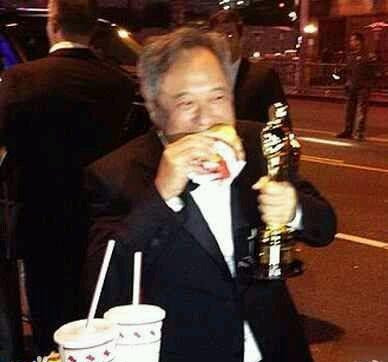
6 李安握小金人路邊幸福吃漢堡。 
他一度想要放棄電影委曲求全改學計算機。而李安的妻子察覺到他的消沉;那一夜沉默後,第二天妻子上班前留一句話給李安:「安,要記得你心裡的夢想」

 苦笑
 http://blog.life.com.tw/upload_file/1/content/d2b394b4-5294-f04b-20df-043ea7c3703e.jpg
4 一家人與自己熊熊燃燒的房子最後一張合影。失火時,全家人安全跑了出來,火勢太大,已經救不了。

東海的人與書(VI): 林南( Nan Lin ),楊牧,梁容若,徐復觀,牟宗三

東海的人與書 (31)
 牟宗三(1909-1995)
我有幸高一時就翻翻牟宗三先生的理則學一書(大學用書,它的附錄是其學生的禪公案的邏輯分析--我數十年之後找到此人此文傅成綸︰《禪宗話頭之邏輯的解柝》.....)
牟先生晚年全心著書的精神很了不起 (他勸年輕人多用心研讀,著作......)
雖然他在東海的一些演講等輯成的生命的學問  我畢業後重讀沒什麼收穫
 他的五十自述  (台北:鵝湖,1989 )大量引用玄奘翻譯 (有別於一般大家熟知的版本《維摩詰經 》(鳩摩羅什) 即《說無垢稱經》 (玄奘))是別有其用心的.....

牟宗三先生全集
東海大學「牟宗三先生紀念室」正式揭牌啟用

    東海大學於2014.1月15日舉行「牟宗三先生紀念室」揭牌儀式,由湯銘哲校長主持,並邀請牟宗三先生家屬及國內學者蒞臨現場,共襄盛舉。
 牟宗三先生(一九○九 ~ 一九九五)為熊十力先生器重之嫡傳弟子。在大陸時期,先後任教於華西、中央、金陵、浙江等大學。一九四九年來台,先後任教於台灣師範學院(今臺灣師範大學)與東海大學。一九五八年,與唐君毅、徐復觀、張君勱聯名發表〈中國文化與世界宣言〉。後來大陸漸次回歸孔子與文化傳統,實以此一宣言為其導引。
  一九六○年赴港,先後任教於香港大學與香港中文大學。退休後,擔任香港新亞研究所哲學組導師,並應台灣大學與台灣師大、東海大學、中央大學之聘,每年港台來回,掀開晚年講學之高潮。一九八四年,榮受國家文化獎章。一九八七年,獲頒香港大學榮譽文學博士學位。
    《牟宗三先生全集》共三十二冊,其出版引發大陸之儒學熱。先生之學思取向,將為中國文化開啓理性之路。先生逝世時,有悼詞云:「光尼山之道統,弘黃岡之慧命,擴前哲之器識,發儒聖之光輝。」得一宗師,東海之譽。
 牟宗三先生1956年 8月,於東海大學任教並應聘為人文學科主任,期間陸續於學校擔任教職與受邀演講,1982-1984年東海大學敦聘牟宗三先生為文學院中國文化榮譽講座。


東海的人與書 (30)
徐復觀教授過世時將日文藏書捐香港某大學,中文藏書捐東海.....幾年前校方有意設此大師的講座,卻因家屬有意見..... (詳情我未知)

 徐復觀先生的中國藝術精神 (台北:學生書局 1966/1976增訂5版)
(昨天在C. Y. TUNG,《董浩雲日記》與《董浩雲的世界》看到1982年香港明報的一篇弔徐/董的文張) 徐先生罵胡適之先生的文章, 是我讀過最惡毒的 ,所以我不欣賞他 ,雖然殷海光等人不這樣認為......
這本書是他在東海寓所花三年寫成的, 附錄一是篇"東海大學建校十周年紀念學術演講稿"

徐復觀文存 作者:徐復觀 出版社:台灣學生書局 出版日期:1991年
這些文章的限制很大 ,今日讀它們,參考可也
能夠從附錄中讀到王孝廉曹永洋諸先生的文章
最難得--王的文章披露: 徐復觀是因為"梁容若投匪"而離開東海的
徐的一生敵人也是相當多的
(參考本blog《現代日本漢學研究概觀》「坦白與說謊」/梁一成:《徐渭的文學與藝術》)
徐復觀: 中國藝術精神/ 徐復觀文存/中國文學論集續編


 東海的人與書 (29)
梁容若(1904-1997)教授
從中學就讀 梁容若教授的文章,可惜我1971年入學東海時,他已退休......
2011年我作此父子介紹: 梁容若《書和人》《現代日本漢學研究概觀》《坦白與說謊》/梁一成:《徐渭的文學與藝術》
 我們讀 傳記.歷史-梁容若小傳
可以知道
"......四十七年,容若功成身退,離開國語日 報及師範大學,前往台中擔任東海大學中文系主任。五十四年三月,容若又應國語日報 邀請,創辦了「書和人」雙週刊,該刊專門論介古今學人作家及其著作,評介外國漢學 者的成就,選載罕見名文加以重訂校正,還有書序書評。台大教授鄭鶱云:「論書精當, 記人生動,敘事周密翔實,尤其有許多創見。」(「書和人」)可謂中肯之論。五十九 年,容若六十七歲,自東海大學退休。六十年在靜宜學院兼課並主編「書和人」。六十 三年,容若應女兒梁華女婿 鄭竹園之邀,移居美國印第安那州。七十年回中國大陸,並至母校北京師範大學擔任客 座教授,容若當年的回歸大陸,曾引起台灣本地一陣喧嘩。七十二年八月,容若以眼疾, 又自大陸返美。七十五年,其子梁一成*在美車禍逝世,對其打擊甚大。八十五年,結褵 六十餘載的夫人傅靜如又辭世,容若更是悲慟逾恆。八十六年五月十八日,容若在美逝 世,年九十四歲。......"


東海的人與書 (28)
 楊牧教授的太太也是東海人:"少聰"?
 數十天前在臺大的台文研究所,聽奚密教授講,楊牧得一美國文學獎之故事.....

 幾年前聽說他的詩有瑞典文譯本,笑說他說不定將被列入諾貝爾獎候選人......

……那時他在農復會工作是台灣有數的森林專家之一(他曾說過,他親自參予(sic)大度山的相思樹和木麻黃之種植,現在我要以東海大學畢業生的身分1977年為教授向他致謝)……------夏菁楊牧序夏菁的詩台北純文學出版社197718


東海20周年畢業3824人, 1975東海學生數3929人 ,"如果東海決定以幾何級數擴大招生 ,它必須以幾何級數加聘教授,添置設備"---《柏克萊精神夜宿大度山 作者:楊牧:洪範 出版社1977年
最重要的是,文中的那些學弟妹 (陳南吉……),不知流落何方?
楊牧: 柏克萊精神/ 搜索者/楊牧詩集/ 傳說


東海的人與書 (27)

 林南( Nan Lin )中央研究院院士,底下是我很久以前的筆記

2007 林南先生講『社會資本』 Social Capital
(我偶爾會在台大有些巧遇,就將其一小部分記下)
林南( Nan Lin )是我久聞其名的東海先輩,我猜它1930 年代出就畢業了。
他出版過社會學方法論的書。


【作者簡介:林南是杜克大學 (Duke University)的社會學系教授,以及亞太研究中心的負責人.他是 The Struggle for Tinanmen (1992);SocialSuppoThe Life Events and Depression(Afren Dean Walter Ensel合著, 1986):Foundation of Social Research(1976):以及 The Study of Communication(1973)等的作者,地也是 Social Structure and Network Analysis(1982)的共同編輯 (Peter Marsden) 。他的作品散見於American Sociological Review" American Journal of Sociology" Journal of Health and Social Behavior Social Force\' 以及其他刊物.林南教授是美國社會學會(1999-2000) ,以及台灣中央研究院的院士。許多大學,包括台灣大學與中國的人民大學等等的榮譽或諮詢教授。】


2007/4/12 在台大,他講 Social capital: theory and research (這講題與他合著的書相同 N Lin, KS Cook, RS Burt - 2001 - Aldine de Gruyter)。
相關之著作 兩岸都有翻譯
林南 /著的 Social Capital: A Theory of Social Structure and Action2001
:『社會資本』林祐聖、葉欣怡譯,台北:弘智出版社, 2005

在網路上可以輕易找到論文: [ ]林南著/ 「社會網路與地位獲得 」俞弘強譯,《馬克思主義與現實》 2003年第 2

我第一位提問:正如他明年在 OUP要出版的 Handbook of Social Capital—世界各國的同志採用 定名法(name generators)來談社會資本。 這種「學派」(school)搞學問之方式,本身這種社會資本,就是學界早已有之的。

( 定名法是一種通用的測量"接觸的社會資本 "方法,它已經在有關網路的文獻資料中得到廣泛應用。這種方法的一般技巧就是向個體自我提出一個或多個問題,詢問其與熟人的一些情況:角色關係(如鄰里關係、工作關係),交往內容(如工作事務、家務雜事)或者親密程度(如相互信任、非常親密等)。 )

他回答這主要是過去受到兩大師關於 社會資本理論(Bourdieu 1986Coleman1988)的影響(在 20世紀70 年代末80年代初),不過他們的作品其實很少,以後這主題成為各行各業都樂於談論的,演變到莫宗一是。
(「社會資本指的是社會結構中的特徵,但學者們對此有不同的看法。例如,有的人認為是社區規範( Coleman 1990),有的人認為是群體團結(Hechter 1983Portes &Senssenbrenner 1993),還有的人認為是對自願性組織和公民組織的參與(Putnam1995 )。雖然存在上述分歧,但有一點是很明顯的,即社會資本主要是指社會網路中接觸到的資源(Lin 1995 Flap1996Tardos 1996Burt1997 Portes1998 )。此外,社會資本理論同樣也關注資源的工具性使用(對資本進行投資或動員)。」)

 2013訪問: http://alumnus.thu.edu.tw/new_alumnus/othernews/22/1208

網誌存檔