【Art and Design 國際週報】002:何懷碩:寄情造境 2019 北京


寄情造境——何怀硕作品展
展览时间:2019年11月22日 至 2019年12月02日
主办单位:北京画院
展览地点:北京画院美术馆一、二层
由北京画院主办,北京画院美术馆承办,羲之堂协办的“寄情造境——何怀硕作品展”将于2019年11月22日在北京画院美术馆隆重开幕。此次展览汇集了何怀硕先生从上个世纪六十年代至今创作的书画作品60余件,展览以 “平生寄怀”、“心象风景”、“平淡真味”三个板块系统地回顾了何怀硕先生的艺术创作轨迹。在展览中,我们可以通过何怀硕的水墨画作品、书法作品、理论著述以及傅申、邵大箴、薛永年、郎绍君等著名美术理论家的精彩评述,来更直观、更立体地了解何怀硕先生的艺术与人生。
...更多
展览作品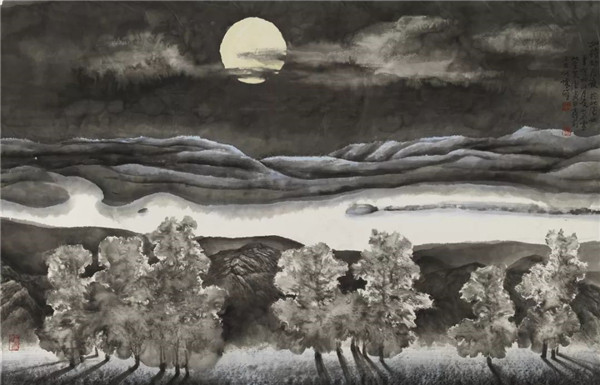
《如诗的月夜》
何怀硕 66×102cm 纸本设色 2010
《古月》
何怀硕 67×81cm 纸本设色 1979
《望月怀远》
何怀硕 111×32cm 纸本设色 1987
《泛宅- 吾土吾民之十七》
何怀硕 66×104cm 纸本设色 2018
《雨巷》
何怀硕 66×66cm 纸本设色 1984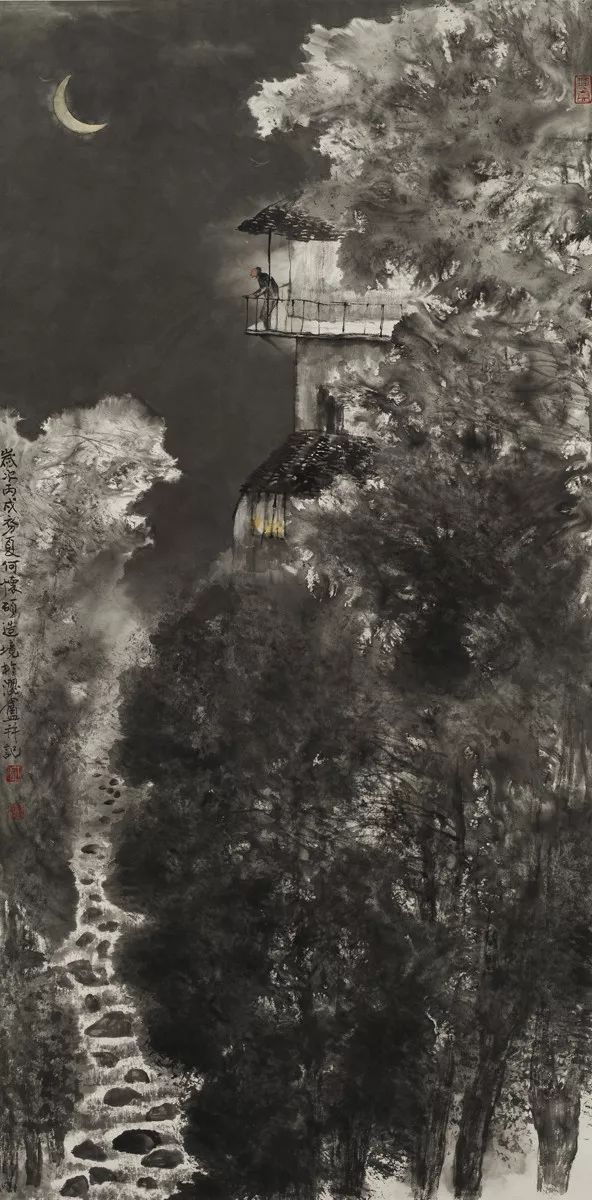
《李后主词意》
何怀硕 104×53cm 纸本设色 2006
《不尽长河》
何怀硕 136×406cm 纸本设色 1984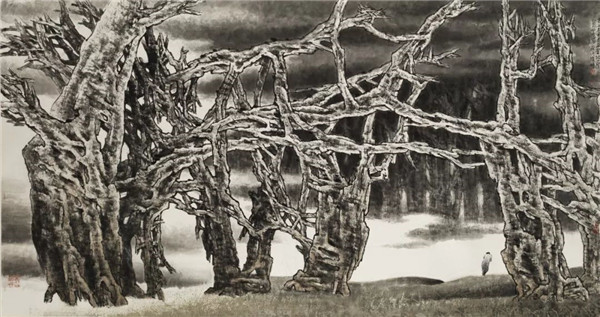
《枯树赋》
何怀硕 94×178cm 纸本设色 2005
《失去的故乡》
何怀硕 66×102cm 纸本设色 2011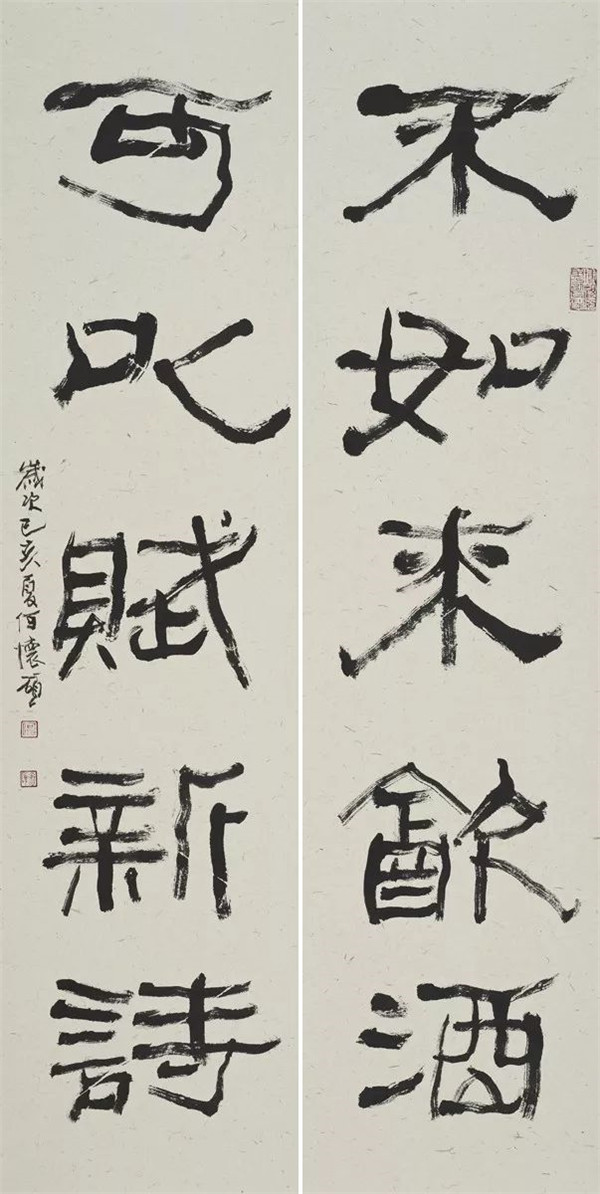
《隶书不如可以联》
何怀硕 34×137cm×2 纸本水墨 2019
《行书曹孟德诗》
何怀硕 97×45cm 纸本水墨 2016
----
寄情造境——何怀硕作品展.jpg)
由北京画院主办,北京画院美术馆承办,羲之堂协办的“寄情造境——何怀硕作品展”将于2019年11月22日在北京画院美术馆隆重开幕。此次展览汇集了何怀硕先生从上个世纪六十年代至今创作的书画作品60余件,展览以 “平生寄怀”、“心象风景”、“平淡真味”三个板块系统地回顾了何怀硕先生的艺术创作轨迹。在展览中,我们可以通过何怀硕的水墨画作品、书法作品、理论著述以及傅申、邵大箴、薛永年、郎绍君等著名美术理论家的精彩评述,来更直观、更立体地了解何怀硕先生的艺术与人生。
何怀硕作为文学家、理论批评家在台湾地区可谓声名赫奕,但更为难得是,他在艺术创作方面亦成就卓然。此次展览为何怀硕先生在祖国大陆举办的首次个展,将为我们呈现一场极具特色与品鉴价值的艺术“盛事”。
少年漂泊者,苦涩青春
1941年11月,何怀硕生于广东潮安一个基督教家庭。童年时代,圣经文学、音乐与艺术的熏染促使他早年便走上了文学艺术的道路。初中毕业后,他离开家乡到武汉艺术师院(有附中部与大学部;现为湖北美术学院)学习,系统地接受了正规的西画和中画训练,自己苦读中外文学及哲学等经典。他自少独具眼光,特别尊崇近现代任、吴、齐、黄、徐、林、傅、李等八大画家。上世纪末,他以半生的研究写成《大师的心灵》一书(增订版在广东人民出版社,二○一六年)。
《如诗的月夜》何怀硕
66cm×102cm 纸本设色 2010 年
1963年,何怀硕插班台湾师范大学美术系学习,开启了背井离乡的人生漂泊之旅。毕业展时因才华出众,获得国画组第一名教育部长奖,少年成名,颇受社会重视。他在学业上深耕苦读,成绩卓著,但生活上的清苦孤独与艺术见解的迥异同侪,从他的画作与大量的文字著述中可见其别有怀抱。情感上的孤寂流露于画面,在绘画作品中注入了乡愁主题。此次展览中有多幅表现思乡主题的画作,如作品《古月》,画面中题写了余光中的乡愁诗句。何怀硕的乡愁,除了故乡,更有家国、历史与文化的乡愁。令人回味无穷。还有作于2019年的《泛宅》,表现了画家闭目即可浮现的少年大江的回忆,感人至深的故土眷恋。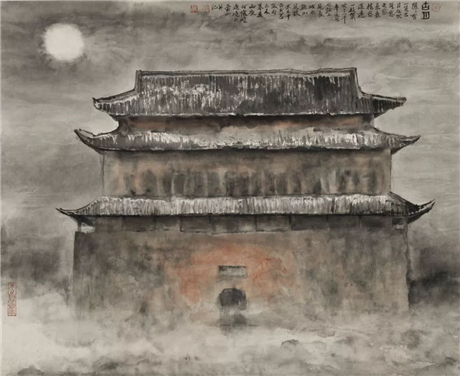
《古月》何怀硕
67cm×81cm 纸本设色 1979 年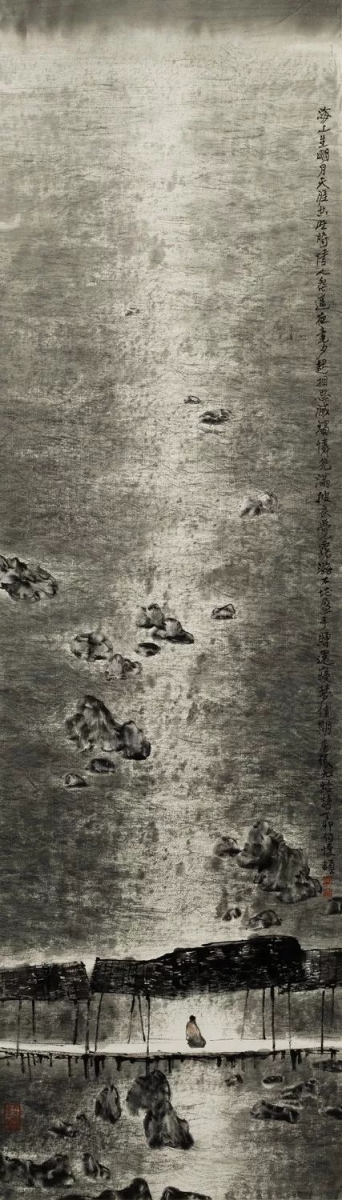
《望月怀远》何怀硕
111cm×32cm 纸本设色 1987 年
《泛宅- 吾土吾民之十七》何怀硕
66cm×104cm 纸本设色 2018 年
孤独探索者,寄情造境
七十年代初,何怀硕应邀前往美国各大学巡回展览,并定居纽约。1979年,何怀硕回到台湾,不久参与新创立艺术学院建校的筹备工作,直到学院成立(后改名台北艺术大学)。然后又回到母校台湾师范大学美术系任教。他一生的工作,不论是画、写或教学,都力图在古与今、东方与西方、传统与现代的时空交汇中寻求中国的艺术发展应然之路。何怀硕在持续不断的研究探索中,吸纳中国传统精华,而非传统的制式陈规;采撷西方优长,而非流行时潮。目的在寻求民族文化的复兴,与中国艺术独特的现代化之路。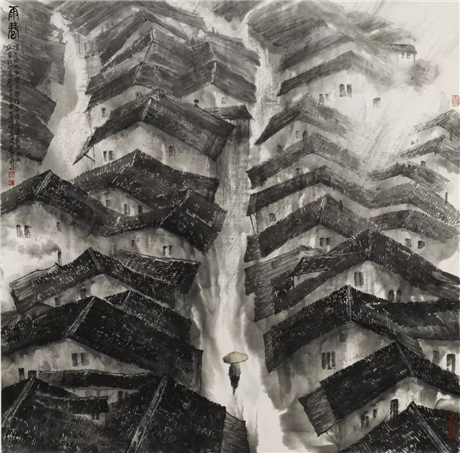
《雨巷》何怀硕
66cm×66cm 纸本设色 1984 年
《李后主词意》何怀硕
104cm×53cm 纸本设色 2006 年
与很多艺术家不同的是,何怀硕画的不是笔墨,是自己的思想与情性,更是一首首绵延悱恻的抒情诗。他曾自言:“我的绘画是一连串个人内心幻景的视觉构筑”。在此次展览中,作品《风月寓言》《欲河》,水流般美丽的写实女体与中国式的明月、山峦意象融合,以跨文化的形式谱写了一首对山川大河、万物生命的赞美诗。《雨巷》《望月怀远》《如诗的月夜》《李后主词意》等,他以新的笔墨,重振中国诗词意境的神韵。
踽踽独行者,针砭时弊
何怀硕的艺术创作来自历史传统的承续,来自对于广大的宇宙、自然、人生与社会现实的体悟。他不仅是优秀的艺术家,也是心怀天下,针砭时弊的知识分子。自小受到五四运动精神的深刻影响,继承了知识分子的忧患意识和批判精神。近年来,何怀硕出版了诸多文学、艺术与批评著作,其中《批判西潮五十年》《什么是幸福》《矫情的武陵人》《珍贵与卑贱》等,内容包含艺术思辨、散文随笔、社会批评等文集。他始终对整个中国文化、社会抱持深刻关怀、观察与省思,表现为画作与文章。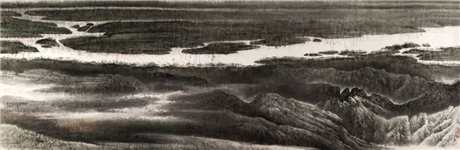
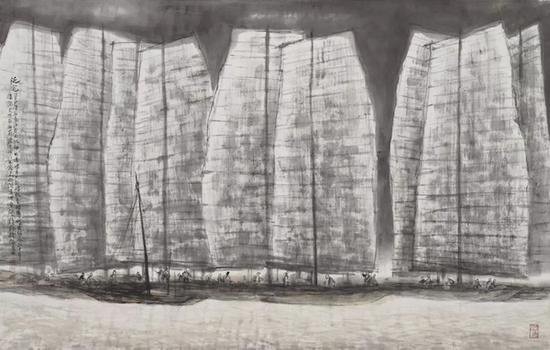
《不尽长河》何怀硕
136cm×406cm 纸本设色 1984 年
《枯树赋》何怀硕
94cm×178cm 纸本设色 2005 年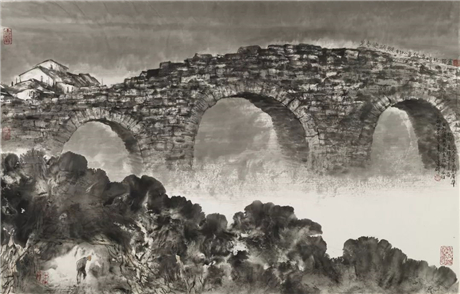
《失去的故乡》何怀硕
66cm×102cm 纸本设色 2011 年
广博宏阔的视野、明敏睿智的知识分子情怀,以及对人世、人生赞叹、悲悯之心使得何怀硕笔下的绘画作品散发着厚重的历史感与苍凉的悲剧意识。展览中《失去的故乡》,表达的不仅是对故乡的怀恋,也是对中国传统文化的关注与担当。而《不屈大河》《枯树赋》等作品,画面气度非凡,颇有历史深度,皆为当代中国水墨画中罕有的佳构。
展览将持续至12月2日。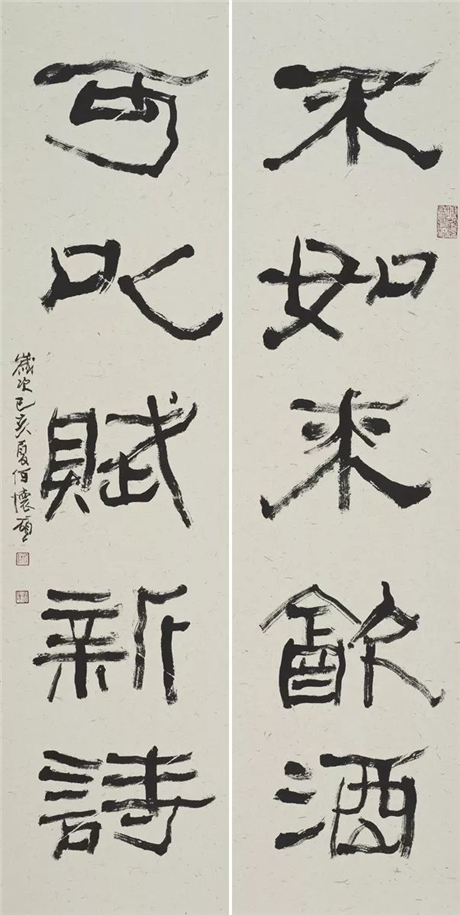
《隶书不如可以联》何怀硕
34cm×137cm×2 纸本水墨2019年
《行书曹孟德诗》何怀硕
97cm×45cm 纸本水墨 2016 年
何怀硕,1941年生于广东,毕业于台湾师范大学美术系。纽约圣若望大学艺术硕士。著名中国水墨画家、书法家和理论家。一生从事艺术教育,书画创作,以及艺术理论、文化评论与文学写作。曾任台湾师范大学、台北艺术大学及清华大学(新竹)、中国文化大学等高校教授。多次于台北、香港及欧美地区举办个人展览;多次应邀参加联合展览。作品广为中外著名美术馆、博物馆所收藏。历年人文艺术论著与文学艺术评论集及散文集在两岸出版甚多。
---
寄情造境——何怀硕作品展
展览时间:2019年11月22日 至 2019年12月02日
主办单位:北京画院
展览地点:北京画院美术馆一、二层
由北京画院主办,北京画院美术馆承办,羲之堂协办的“寄情造境——何怀硕作品展”将于2019年11月22日在北京画院美术馆隆重开幕。
此次展览汇集了何怀硕先生从上个世纪六十年代至今创作的书画作品60余件,展览以 “平生寄怀”、“心象风景”、“平淡真味”三个板块系统地回顾了何怀硕先生的艺术创作轨迹。
在展览中,我们可以通过何怀硕的水墨画作品、书法作品、理论著述以及傅申、邵大箴、薛永年、郎绍君等著名美术理论家的精彩评述,来更直观、更立体地了解何怀硕先生的艺术与人生。
...更多
http://www.bjaa.com.cn/exhibit.html…
BJAA.COM.CN
北京画院美术馆
1Ben Chen
1 則留言
讚
留言分享
留言
Hanching Chung http://www.bjaa.com.cn/exhibit.html?hcs=11&clg=161......
編輯或刪除
BJAA.COM.CN
北京画院美术馆
何懷碩首次大陸個展:他的鄉愁在於家國歷史與文化


這張的收藏史很可能是屬於"俄國傳奇藝術品收藏故事"。
By Henri Matisse.French painter
Pushkin Museum of Fine Art/Mosco
9. The Morozov Collection
In autumn the Fondation Louis Vuitton presents masterpieces from the collections of Mikhail and Ivan Morozov, Russian brothers and entrepreneurs who amassed a treasure trove of Impressionist and Post-Impressionist work before the Revolution: an astonishing assortment of Monets and Matisses, Pissarros and Picassos. They were more discriminating even than their contemporaries Sergei and Pyotr Shchukin, whose own horde of avant-garde wonders wowed the art world at the Fondation in 2016. KG
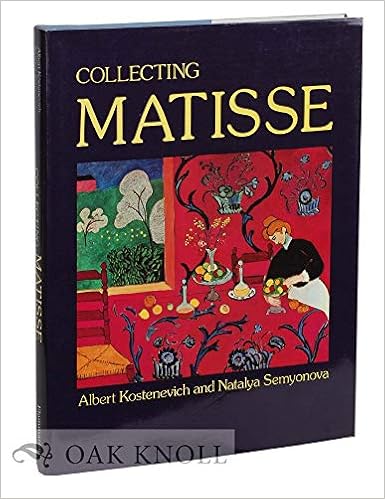
【#Art and Design 國際週報】005:俄國傳奇藝術品收藏故事,以H. Matisse 作品為主: Collecting Matisse. Voyage into Myth. The Collections Of Sergei Shchukin And Ivan Morozov. Matisse and Russian Icons
1987年Henri Matisse (1869~1954)的兒子Pierre Matisse (1900~89)
和孫女,特地去聖彼得堡的"冬宮博物館 Hermitage Museum
"看父親/祖父為媽媽/嬤嬤的的畫像。

俄國傳奇藝術品收藏故事,以H. Matisse 作品為主: Collecting Matisse. Voyage into Myth. The Collections Of Sergei Shchukin And Ivan Morozov. Matisse and Russian Icons
讀Voyage into Myth (2002 )第四章
Sergei Shchukin and Ivan Morozov :Two Legendary Collectors
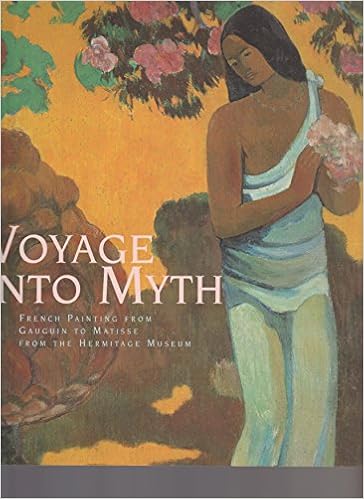
Voyage Into Myth: French Painting from Gauguin to Matisse from the Hermitage Museum 平裝 – 2002
Nathalie & Francine Lavoie (curators) Bondil (Author), Profusely illustrated (Illustrator)
***
 查看該圖像
查看該圖像"The Dessert: Harmony in Red" (The Red Room ) 1908 Matisse’s Fauvist period.🎨🇲🇫️ Oil on canvas 180,5x221 cm Hermitage Museum in St. Petersburg.🏛️️🇷🇺️ In his Paris studio with its windows looking out over a monastery garden, in 1908 Matisse created one of his most important works of the period 1908-1913: "The Red Room". The artist himself called this a "decorative panel" and it was intended for the dining room in the Moscow mansion of the famous Russian collector Sergey Shchukin. Matisse turned to a motif common in the works created that year: a room decorated with vases, fruits and flowers.
Collecting Matisse (English) Hardcover – 三月 17, 1999
Rizzoli (Author)
Relying on his sensibility and self-confidence, Shchukin confronted a Russian society that ridiculed his eccentricities, and from 1908 to 1914 he assembled an exceptional collection of Matisse's works - thirty-seven paintings - with which he decorated his house in Moscow. Morozov was equally appreciative of the painter and, although a more modest collector, acquired eleven canvases. Between them, these two men made Russia the first foreign country to import Matisse's works.
Collecting Matisse provides a fresh interpretation of a crucial period in the artist's career - the early years of Fauvism, when he decisively turned toward color as the essential element of painting - and one that radically marked the development of modern art as a whole. Matisse's work was known in Russia as early as 1904, and Shchukin's commission for the great decorative panels La Danse and La Musique revolutionized the Moscow art world. A penetrating text and previously unpublished archival material make this book an essential study on Matisse and his 1911 visit to Russia, where he discovered with fascination Russian icons, tasted the delights of the salons, and unleashed the commentaries of a hostile press, which are included here in large extracts. The following year, Matisse left for Tangier and there produced a stunning series of canvases, which the two Russian collectors acquired with enthusiasm. The correspondence published here for the first time, bears eloquent testimony to the ties of friendship and admiration that united painter and collectors.
The beautiful illustrations and rare period photographs of the Shchukin and Morozov mansions and collections complement the impressions Matisse gathered in the Russian capital and demonstrate their importance for the evolution of his art.
Contents
The Morozov Brothers. Great Russian Collectors - Hermitage
Matisse arrived in Moscow on October 23, 1911. The next day, he visited Ilya Ostroukhov, painter and collector and "patron" of the Tretiakov Gallery, whom he had met in Paris, and asked to be shown his collection of Russian Icons. A day later Oustroukhov recounted the incident:
"Yesterday evening he visited us. And you should have seen his delight at the icons. Literally the whole evening he
wouldn't leave them alone, relishing and delighting in each one. And with what finesse! ... At length he declared that
for the icons alone it would have been worth his while coming from a city even further away than Paris, that the icons
were now nobler for him than Fra Beato... Today Shchukin phoned me to say that Matisse literally could not sleep
the whole night because of the acuity of his impression."[6]
"From that moment on, "writes Pierre Schneider, "Matisse spent all his time going around to visit churches, convents, and collections of sacred images, his excitement at the first encounter not having diminished one iota. He shared it with all who came to interview him during his stay in Moscow." [7]
On Oct. 31, Ilya Ostroukhov wrote to D.J. Tolstoy, the curator of the Hermitage Museum: "Matisse is here. He is deeply affected by the art of the icons. He seems overwhelmed and is spending his days with me frantically visiting monasteries, churches and private collections." [8]
"They are really great art," Matisse excitedly told an interviewer. "I am in love with their moving simplicity which, to me, is closer and dearer than Fra Angelico. In these icons the soul of the artist who painted them opens out like a mystical flower. And from them we ought to learn how to understand art." [9] What is one to make of this expression of heartfelt admiration for the old Russian icons? From these icons "we ought to learn how to understand art." This is a very strong statement. It sounds exaggerated. Yet, Matisse was habitually reserved and cautious in his statements, not prone to exaggeration. Our endeavor in these pages may be defined as an investigation of the meaning and validity of this assertion.
"From them we ought to learn how to understand art." Not one particular kind of art, but art in itself. The icons offered Matisse a revelation of what art is. This goes deeper than stylistic "influence." To speak of Matisse imitating or being influenced by icons is to miss the point. His relationship with them is on a deeper level. In them he has recognized, in an especially pure form, the essence of art. Art is, for Matisse, essentially a manifestation of the life in which both nature and the artist participate. Throughout his career Matisse was a truly original artist. This does not mean that one cannot find in his work what are commonly called "influences" of other artists, in this case the Russian iconographers. It means that Matisse's art is directly rooted in the place where art originates, in the wellspring of being which we mentioned at the beginning. Precisely because he strives to be true to nature, Matisse converges with the icon painters.
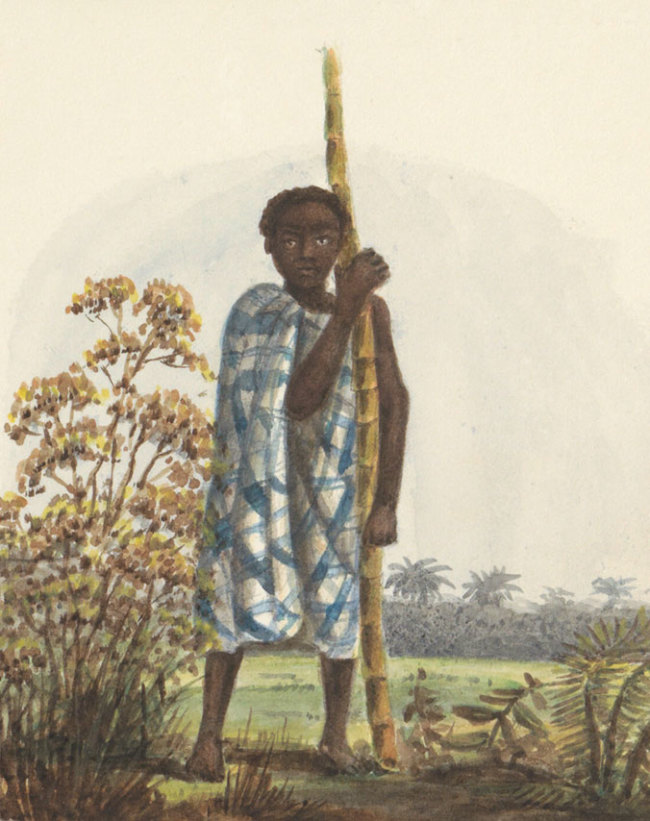


To the opening of the exhibition "The Brothers Morozov. Great Russian Collectors"
In 1908, the French artist Maurice Denis designed the music salon in the mansion of I. A. Morozov on Prechistenka in Moscow. In this typical modern style ensemble architecture, painting, sculpture combined with objects of applied art. According to the drawings Denis was made furniture and decorative vases. The classical nature of the architecture defined the classic forms of the ensemble. Using the freedom provided by Morozov in choosing the plot of the mural, the artist chose, in his words, the "idyllic and full of mystery" story of Cupid and Psyche. He focused on the allegorical implication of the plot, on the desire of the Soul (Psyche) to unite with Love (Cupid).
For the "History of Psyche" Denis used a light conditional flavor. The most interesting is the background of the landscapes over which the artist worked in Italy. They reflect the impressions of Lago Maggiore (panel 1-2, 5) and the Garden of Giusty in Verona (panel 4). In the fifth panel Denis introduced portraits: Venus in a wreath of white roses reminds Martha Denis (the artist's wife); Bacchus, a bearded man in a wreath of ivy, - sculptor Mayol; Mars - Roussel, Comrade Denis in the Nabi group. The shape of Jupiter goes back to the Roman statue in the Vatican Museum. After reworking various impressions, Denis created a decorative ensemble in the neoclassical style.
Google翻譯
到展覽開幕“莫羅佐夫兄弟。偉大的俄羅斯收藏家”
1908年,法國藝術家莫里斯·丹尼斯(Maurice Denis)在莫斯科Prechistenka的I. A. Morozov大廈設計了音樂沙龍。在這種典型的現代風格的合奏建築中,繪畫,雕塑與應用藝術的對象相結合。根據圖紙,丹尼斯製作了家具和裝飾花瓶。建築的古典性質定義了整體的經典形式。利用莫羅佐夫提供的選擇壁畫情節的自由,藝術家用他的話說,選擇了丘比特和普賽克的“田園詩般的充滿神秘色彩”的故事。他專注於情節的寓意含義,以及靈魂(Psyche)與愛情(丘比特)團結的願望。
對於“靈魂史”,丹尼斯使用了輕微的條件味道。最有趣的是藝術家在意大利工作的風景背景。它們反映了Lago Maggiore(小組1-2,5)和Verona的Giusty花園(小組4)的印象。在第五個小組中,丹尼斯介紹了肖像:白玫瑰花環中的維納斯提醒瑪莎丹尼斯(藝術家的妻子);巴克斯,常春藤花圈中的鬍子,雕刻家梅奧爾;火星 - 魯塞爾,丹尼同志在納比集團。木星的形狀可以追溯到梵蒂岡博物館的羅馬雕像。在重新設計了各種印象之後,丹尼斯創造了一種新古典主義風格的裝飾品。
Facebook翻譯不忍卒讀
1908年, 法國藝術家莫里斯·丹尼斯在莫斯科學校的i a morozova的豪宅成立了一個音樂沙龍. 在這個現代建築建築的典型風格, 繪畫, 雕塑與應用藝術的物體結合. 根據丹尼斯的繪畫, 傢具和裝飾花瓶是製作的. 建築的經典特徵已經定義了經典的合奏形式. 在選擇繪畫劇情時使用morozova自由, 藝術家根據他選擇的" cupid和充分"的故事的"愚蠢和完整的神秘 他專注於劇情的寓言, 在靈魂的慾望(承認)與愛(amurom).
丹尼斯為"瘋子 的 歷史"使用了一個光明的有條件的味道, 它是景觀中最有趣的背景, 藝術家在義大利工作. 他們反映在lago-maggiore (面板1-2, 5)和維羅納的花園花園(面板4)的印象中. 在第五個小組, 丹尼斯介紹了肖像: 維納斯在白玫瑰的花環中. 提醒marta denis (藝術家的妻子); 巴克斯, 一個在常春藤花環里的鬍子的男人, 是一個majola的雕塑家; 火星-roussel, 丹尼斯同志在nabi. 木星的外觀上升到梵蒂岡博物館的羅馬雕像. 在重新設計各種印象時, 丹尼斯在新古典風格中創造了一個裝飾的


沒有留言:
張貼留言