From "Utamaro and His Five Women" (歌麿をめぐる五人の女 Utamaro o meguru gonin no onna), 1946, From "Utamaro and His Five Women" (歌麿をめぐる五人の女 Utamaro o meguru gonin no onna), 1946, directed by Mizoguchi Kenji (溝口 健二, 1898–1956) https~//youtu.be/fiCbo9d1Q_4
This 1946 Japanese historical drama film directed by Kenji Mizoguchi is based on the novel of the same title by Kanji Kunieda, itself a fictionalised account of the life of printmaker Kitagawa Utamaro (喜多川 歌麿; c. 1753 – 31 October 1806).
It was produced during the seven-year Allied occupation of Japan which followed World War II. At the time, film production was overseen by representatives of the occupation forces, and jidaigeki (period films) were rarely made, as they were seen as being inherently nationalistic or militaristic. So, in order to receive permission to make the film, Mizoguchi argued that Utamaro was "a popular democratic painter" and agreed to emphasize the topic of female emancipation.
Though "Utamaro and His Five Women" is based on the life of Japanese artist Kitagawa Utamaro, it has frequently been viewed as an autobiographical work by critics.
J in 日本
從記者、舞男到天才編劇
—— 致敬看透人性的黑色幽默大師,比利懷德 120 歲冥誕 🎩
1906年6月22日出生於奧匈帝國猶太家庭的比利懷德,年輕時是柏林的犯罪記者,也曾在飯店擔任茶舞男。1933年納粹掌權後,他被迫逃離歐洲,幾乎一無所有地來到好萊塢。
當時的他口袋只剩11美元,英文也說得不流利,但憑著過人的觀察力與天賦,這個來自歐洲的窮小子,最後成為好萊塢最偉大的編劇與導演之一。
但比利懷德最迷人的,不只是才華,還有他的膽識與毒舌。
🍾《失去的週末》上映前,傳出酒商願意砸下500萬美元買走底片,只為「徹底銷毀」這部將酗酒拍得太真實的故事;幸好片廠守住了電影,還拿下奧斯卡最佳影片。
🕵️ 寫《雙重保險》時,他與推理小說大師雷蒙錢德勒衝突不斷,對方甚至一度想辭職,還留下長串「抱怨清單」。但這對冤家,卻意外磨出影史最經典的黑色電影劇本。
⚾️ 拍攝《日落大道》時,他知道片廠不會接受一部諷刺好萊塢的片,乾脆用《A Can of Beans》當假片名,對外宣稱是在拍溫馨棒球喜劇。直到試映當天,高層才發現這是一部嘲弄好萊塢功利冷血的電影。
比利懷德總站在最意想不到的角度,看清人性的荒謬與虛偽。並把慾望、貪婪與孤獨,全都寫進那些機智到發亮的台詞裡。
在他120歲冥誕的今天,電影或許變小了,好萊塢的黃金時代也已遠去,但懷德留下的黑色幽默與創作風骨,依然在影史中閃著巨大無比的光。
【2026金馬經典影展:比利懷德120週年紀念展】
台北、台中預售優惠票熱賣中
📍售票資訊:https://pse.is/9866g6
📍官方售票系統:https://tghff.tixcraft.com/activity
—— ⚉⚇ 𝟤 𝟢 𝟤 𝟨 金 馬 經 典 影 展 ⚇⚉ ——
比利懷德 𝟣𝟤𝟢 週年紀念展
𝘎𝘰𝘭𝘥𝘦𝘯 𝘏𝘰𝘳𝘴𝘦 𝘊𝘭𝘢𝘴𝘴𝘪𝘤 𝘍𝘪𝘭𝘮 𝘍𝘦𝘴𝘵𝘪𝘷𝘢𝘭
𝘉𝘪𝘭𝘭𝘺 𝘞𝘪𝘭𝘥𝘦𝘳 𝘙𝘦𝘵𝘳𝘰𝘴𝘱𝘦𝘤𝘵𝘪𝘷𝘦
台北 7.24 - 8.13|台中 8.05 - 8.16
#2026金馬經典影展 #GHCFF2026 #比利懷德 #BillyWilder
圖片來源:
© Still courtesy of Janus Films
The Los Angeles Times • Sun, Jun 10, 2012, Page 34https~//youtu.be/fiCbo9d1Q_4
This 1946 Japanese historical drama film directed by Kenji Mizoguchi is based on the novel of the same title by Kanji Kunieda, itself a fictionalised account of the life of printmaker Kitagawa Utamaro (喜多川 歌麿; c. 1753 – 31 October 1806).
It was produced during the seven-year Allied occupation of Japan which followed World War II. At the time, film production was overseen by representatives of the occupation forces, and jidaigeki (period films) were rarely made, as they were seen as being inherently nationalistic or militaristic. So, in order to receive permission to make the film, Mizoguchi argued that Utamaro was "a popular democratic painter" and agreed to emphasize the topic of female emancipation.
Though "Utamaro and His Five Women" is based on the life of Japanese artist Kitagawa Utamaro, it has frequently been viewed as an autobiographical work by critics.
J in 日本
從記者、舞男到天才編劇
—— 致敬看透人性的黑色幽默大師,比利懷德 120 歲冥誕 🎩
1906年6月22日出生於奧匈帝國猶太家庭的比利懷德,年輕時是柏林的犯罪記者,也曾在飯店擔任茶舞男。1933年納粹掌權後,他被迫逃離歐洲,幾乎一無所有地來到好萊塢。
當時的他口袋只剩11美元,英文也說得不流利,但憑著過人的觀察力與天賦,這個來自歐洲的窮小子,最後成為好萊塢最偉大的編劇與導演之一。
但比利懷德最迷人的,不只是才華,還有他的膽識與毒舌。
🍾《失去的週末》上映前,傳出酒商願意砸下500萬美元買走底片,只為「徹底銷毀」這部將酗酒拍得太真實的故事;幸好片廠守住了電影,還拿下奧斯卡最佳影片。
🕵️ 寫《雙重保險》時,他與推理小說大師雷蒙錢德勒衝突不斷,對方甚至一度想辭職,還留下長串「抱怨清單」。但這對冤家,卻意外磨出影史最經典的黑色電影劇本。
⚾️ 拍攝《日落大道》時,他知道片廠不會接受一部諷刺好萊塢的片,乾脆用《A Can of Beans》當假片名,對外宣稱是在拍溫馨棒球喜劇。直到試映當天,高層才發現這是一部嘲弄好萊塢功利冷血的電影。
比利懷德總站在最意想不到的角度,看清人性的荒謬與虛偽。並把慾望、貪婪與孤獨,全都寫進那些機智到發亮的台詞裡。
在他120歲冥誕的今天,電影或許變小了,好萊塢的黃金時代也已遠去,但懷德留下的黑色幽默與創作風骨,依然在影史中閃著巨大無比的光。
【2026金馬經典影展:比利懷德120週年紀念展】
台北、台中預售優惠票熱賣中
📍售票資訊:https://pse.is/9866g6
📍官方售票系統:https://tghff.tixcraft.com/activity
—— ⚉⚇ 𝟤 𝟢 𝟤 𝟨 金 馬 經 典 影 展 ⚇⚉ ——
比利懷德 𝟣𝟤𝟢 週年紀念展
𝘎𝘰𝘭𝘥𝘦𝘯 𝘏𝘰𝘳𝘴𝘦 𝘊𝘭𝘢𝘴𝘴𝘪𝘤 𝘍𝘪𝘭𝘮 𝘍𝘦𝘴𝘵𝘪𝘷𝘢𝘭
𝘉𝘪𝘭𝘭𝘺 𝘞𝘪𝘭𝘥𝘦𝘳 𝘙𝘦𝘵𝘳𝘰𝘴𝘱𝘦𝘤𝘵𝘪𝘷𝘦
台北 7.24 - 8.13|台中 8.05 - 8.16
#2026金馬經典影展 #GHCFF2026 #比利懷德 #BillyWilder
圖片來源:
© Still courtesy of Janus Films
The Los Angeles Times • Sun, Jun 10, 2012, Page 34
----
有中文字幕
【蔦屋重三郎出版的浮世繪巨作】《吹玻璃哨的女子》
本系列短片帶您一同了解江戶時代版元(出版商)蔦屋重三郎曾出版的浮世繪巨作。這集主要介紹喜多川歌麿的著名作品《吹玻璃哨的女子》。
《美人凝視:喜多川歌麿的浮世繪藝術》
例 文字 頁 109 圖頁113~114 不同的署名方式
NHK 浮世繪 江戶 WOMAN IN GLASS NOISEMAKE
和服 立體
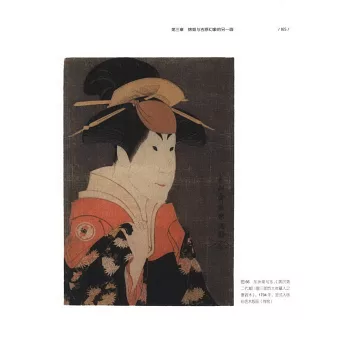
《吹奏Poppen波彭(玻璃響器)的年輕女子》,選自《女性面相十類》(Fujo ninsō juppen)系列
人工智慧概述
「Poppen」在德語中主要指性行為(玩偶/遊戲)、炫耀或受歡迎/很棒(俚語),具體取決於語境和語言(德語俚語與英語俚語如“poppin'”),在較早的英語含義中與“poppet”(如“poppin'”)有關。
"Poppen" primarily means
to have sex (vulgar slang) in German, translating to "to screw" or "to bonk," but it can also mean to play (with puppets/games), to show off, or to be popular/awesome (slang), depending on context and language (German vs. English slang like "poppin'"), with older English meanings relating to puppets or a term of endearment like "poppet".
北川歌麿 日本
約1792–93年
未展出
《吹奏玻璃響器的年輕女子》,選自《女性面相十類》(Fujo ninsō juppen)系列,北川歌麿(日本,約1754–1806年),木版畫;水墨設色紙本,日本
公共領域
分享
下載圖片
放大圖片
藝術品詳細信息
物件資訊
概述
出處
展覽歷史
參考
喜多川歌麿畫「婦女人相十品」ポペンを吹く娘
標題:
《吹波彭的年輕女子》(玻璃噪音製造者),選自《婦女人相十品》系列(Fujo ninsō juppen)
藝術家:喜多川歌麿
(日本,約 1754 年–1806 年)
時期:
江戶時代(1615年–1868年)
日期:
約1792–93
文化:
日本
中等的:
木刻版畫;紙本水墨及彩繪
尺寸:
15 5/16 x 10 13/16 英吋(38.9 x 27.5 公分)
類別:
版畫
來源:
H. O. Havemeyer 收藏,H. O. Havemeyer 夫人遺贈,1929 年
藏品編號:
JP1662
策展部門:亞洲藝術
Young Woman Blowing a Popen (glass noisemaker), from the series “Ten Classes of Women’s Physiognomy” (Fujo ninsō juppen)
Artwork Details
- 喜多川歌麿画 「婦女人相十品」 ポペンを吹く娘
- Title:
Young Woman Blowing a Popen (glass noisemaker), from the series “Ten Classes of Women’s Physiognomy” (Fujo ninsō juppen)
- Artist:
Kitagawa Utamaro (Japanese, ca. 1754–1806)
- Period:
Edo period (1615–1868)
- Date:
ca. 1792–93
- Culture:
Japan
- Medium:
Woodblock print; ink and color on paper
- Dimensions:
15 5/16 x 10 13/16 in. (38.9 x 27.5 cm)
- Classification:
Prints
- Credit Line:
H. O. Havemeyer Collection, Bequest of Mrs. H. O. Havemeyer, 1929
- Object Number:
JP1662
- Curatorial Department: Asian Art
林皎碧
日本畫壇有所謂「西の松園・東の清方」,指的就是「美人畫」畫家,京都以上村松園為最,東京以鏑木清方為最。
.
松園、清方都是活躍於大正、昭和畫壇的名家,並獲得很高的評價。假如提到戰後的美人畫名家,那就非伊東深水(1889-1972)莫屬了。
.
伊東深水的老師就是鏑木清方,美人畫自是一脈相傳,深水的靜物畫比較少見,分享一幅作品給大家。
.
台展三少年的陳進老師曾投入鏑木清方門下,教她畫的卻是師兄伊東深水。有一年,跑去中央研究院找某位師長,對方提到陳進在鏑木清方門下,準備進軍帝展時,手頭拮据,寫信向父親要求多些生活費的軼聞,頗有趣。
.
作者:伊東深水
品名:水蜜桃和哈密瓜
年代:1939
.
(圖檔下載自網路)
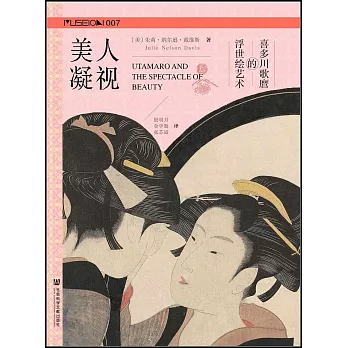
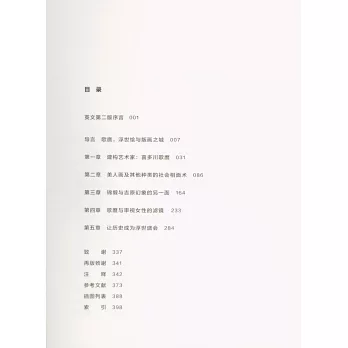
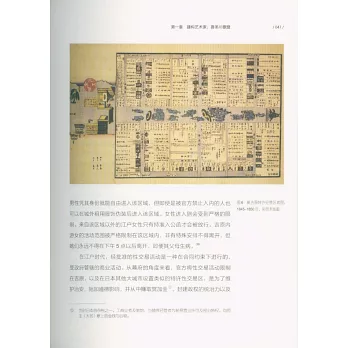
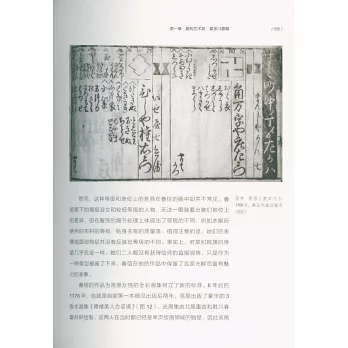
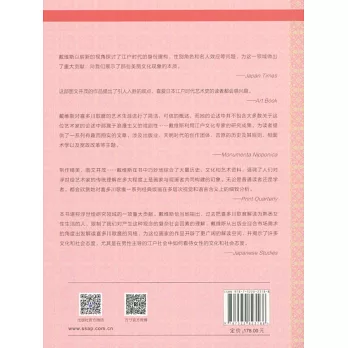
美人凝視:喜多川歌麿的浮世繪藝術
作者:
(美)朱莉·納爾遜·戴維斯譯者:
殷明月出版社:
社會科學文獻出版社出版日期:2024/01/01
語言:簡體中文
喜多川歌麿是日本江戶時代的“浮世繪三傑”之一,其美人畫已成為日本經典藝術形象。從吉原的游女到不同類型的平民女性,他強大的筆觸呈現了多種與眾不同的美人神態,使得觀畫者仿佛看到了畫家在用畫筆截取美人生活的日常。他對女性之美的藝術凝視不僅滿足了當時社會關於“美人面孔”或“美人風貌”的渴望,也使得他自身確立了作為一個“美人鑒賞家”的地位。這一標籤的獲得不僅來自畫家的高超技藝,同時也是畫家和出版商共同有意識滿足市場需求的結果。它最終令畫家獲得了劃時代的藝術影響力。本書將把對這位浮世繪藝術家的研究置於他所處的時代背景下,結合當時繁榮的大眾文化和畫家日常生活的社會環境,探尋喜多川歌麿的浮世繪版畫是如何通過創作多種類型的美人畫迎合市場需求,來擴大這位藝術家個人魅力的。朱莉·納爾遜·戴維斯(Julie Nelson Davis),賓夕法尼亞大學藝術史教授,教授從1600年到現代的東亞藝術,主要研究近代日本的藝術,是浮世繪研究領域的重要專家之一。曾擔任多個日本藝術主題展覽的客座策展人,著有浮世繪研究著作Partners in Print: Artistic Collaboration and the Ukiyo-e Market,以及Picturing the Floating World: Ukiyo-e in Context。wwwww
Kitagawa Utamaro 喜多川 歌麿
専門家によると「歌麿の肉筆画で、ここまで狩野派の特徴が打ち出されているのは珍しい」とのことです。
http://www.asahi.com/articles/ASH4F53TQH4FPTFC00L.html美人画で知られる江戸後期の浮世絵師、喜多川歌麿(?~1806)が、中国の仙女を描いた肉...
WWW.ASAHI.COM|由 THE ASAHI SHIMBUN COMPANY 上傳
In the 18th century, ukiyo-e painter Kitagawa Utamaro became very popular with a genre he created called bijinga, or paintings of beautiful geisha and women in town of Edo.
en.wikipedia.org/wiki/Utamaro
Kitagawa Utamaro (Japanese: 喜多川 歌麿; c. 1753 – 31 October 1806) was a Japanese artist. He is one of the most highly regarded practitioners of the ukiyo-e ...ukiyo-e.org/artist/kitagawa-utamaro
Japanese Woodblock prints by Kitagawa Utamaro. ... Kitagawa Utamaro: Courtesan Sumida River - Asian Collection Internet Auction. Utamaro WBP · Kitagawa ...
日本木版畫是西方世界獨一無二的藝術現象,它既有令人嘆為觀止的風景,也有令人臉紅心跳的情色畫面;既有妖魔鬼怪折磨生靈,也有相撲力士、歌舞伎演員和藝妓等巨星。我們全新推出的超大開本畫冊《日本木版畫》揭開了這門備受喜愛卻鮮為人知的藝術的神秘面紗,展現了1680年至1938年間200幅最傑出木版畫背後的故事和人物。本書精選世界各地博物館和私人收藏中的珍品,收錄了89位藝術家的作品,並附有17幅摺頁插圖💕
《戀人》,喜多川歌麿,1788年,選自蔦屋重三郎出版的《枕上詩》(歌藏)。 © 曼恩收藏,伊利諾州高地公園。收錄於 TASCHEN 最新 XXL 版畫集《日本木版畫》。
日本浮世繪大師 -- 喜多川歌麿 漢清講堂261 歌磨 Kitagawa Utamaro I (喜多川 歌麿, 1753–1806; here signed: Utamaro hitsu drew 歌麿筆),
歌磨 Kitagawa Utamaro I (喜多川 歌麿, 1753–1806; here signed: Utamaro hitsu drew 歌麿筆),
日本浮世繪大師 -- 喜多川歌麿 漢清講堂261
Still from 'Utamaro and His Five Women' (歌麿をめぐる五人の女 Utamaro o meguru gonin no onna), 1946, directed by Japanese filmmaker Mizoguchi Kenji (溝口 健二, 1898 – 1956). https://youtu.be/fiCbo9d1Q_4
It is based on the novel of the same title by Kanji Kunieda, itself a fictionalised account of the life of printmaker Kitagawa Utamaro (喜多川 歌麿; c. 1753 – 1806), one of the most highly regarded designers of ukiyo-e woodblock prints and paintings, who was best known for his bijin ōkubi-e (large-headed pictures of beautiful women) of the 1790s. He also produced nature studies, particularly illustrated books of insects.
Kitagawa Utamaro I (喜多川 歌麿, 1753–1806; here signed: Utamaro hitsu drew 歌麿筆), Women, Baby, and Owl on Perch, 美人と梟 (Bijin to fukurō), about 1804 (Bunka 1) in the Edo period (1603-1868); publisher Wakasaya Yoichi (Jakurindō) the Museum of Fine Arts, Boston


沒有留言:
張貼留言