去年夏天,我有幸拜訪了𝗝𝗼𝗵𝗮𝗻𝗻𝗲𝘀,這是一次意義非凡的經驗。 𝗕𝗿𝗮𝗵𝗺𝘀’𝘀 𝗴𝗿𝗮𝘃𝗲 at the 𝗭𝗲𝗻𝘁𝗿𝗳 𝗶𝗻 𝗩𝗶𝗲𝗻𝗻𝗮 — 彷彿時間靜止的瞬間之一。站在他的墓碑前,周圍環繞著貝蒂·霍維恩和薩赫布雷特的墓碑,我感到一種難以言喻的親近感,彷彿與這位多年來一直陪伴著我的音樂家無比親近。
墓園裡一片寂靜,只有微風輕拂高聳的柏樹。在布拉姆斯的墓碑上,有人留下了一幅《維洛特的聖像》——簡潔卻又深深打動人心。在柔和的日光下,布拉姆斯的雕像彷彿活了過來,他的目光平靜而遙遠,彷彿仍在沉思著他已故的某位音樂家。
我在那裡待了很久,想著他的最後幾年——他的 𝘀𝗼𝗹𝗶𝘁𝘂𝗱𝗲,他在 𝗶𝗻 𝗳𝗮𝗰𝗶𝗻𝗴 𝗶𝗹𝗹𝗻𝗲𝘀𝘀,以及他面對死亡時的 𝘀𝗲𝗿𝗲𝗻𝗲 𝗱𝗶𝗴𝗆我還想到了對我個人意義最重大的作品:他的《普蘭·卡恩科特 N. 1》,它具有悲劇性的宏偉氣勢和近乎交響樂般的厚重感;他的《五重奏》(𝗝 𝘀𝘆𝗺𝗽𝗵𝗼𝗻𝗶𝗲𝘀),每一部都是一個充滿掙扎、建築和深刻情感的世界;而他的《卡門》(𝗰𝗵𝗮𝗺𝗯 𝗺𝘂𝘀𝗶𝗰),在這些作品中,布拉姆斯似乎常常以最私密的語言與人交談,彷彿在向一小群值得信賴的朋友傾訴他最深層的想法。
然後我的思緒又回到了他那首《Four Survey Sung》的最後幾個小節,它們彷彿在靜謐的安息之地迴盪:“一個傻瓜,誰能活下去?一個傻瓜,誰能活下去?” “你是誰?”
拜諫布拉姆斯的墓園讓我想起「你是誰」——雖然他長眠於維也納的土地下,但他的精神依然在他的每一個樂句中流淌。我獻上幾束鮮花,輕聲低語「你是誰」。這感覺就像是在告別,也是在迎接。
對於任何喜愛布拉姆斯的人,我只能說:如果你有機會去維也納,一定要去那裡。站在那座墳墓前,閉上雙眼,聆聽——不僅是墓園的寂靜,還有遠處迴盪的維洛尼·坎諾特(Vilony Conetro)的迴聲,弗雷斯特·普蘭諾·坎諾特(First Pantro Conetro)的風暴,聖殿(Symhone)莊嚴的弘,以及他莊嚴的聲音。 𝗰𝗵𝗮𝗺𝗯𝗲𝗿 𝗺𝘂𝘀𝗶𝗰. Listen — 𝗻𝗼𝘁 𝗄𝗶 𝗲𝗮𝗿𝘀, 𝗯𝘂𝘁 𝘄𝗶𝘁𝗵 𝘆𝗼𝘂𝗿 𝘀𝗼𝘂𝗹.
𝗔 𝗩𝗶𝘀𝗶𝘁 𝘁𝗼 𝗕𝗿𝗮𝗵𝗺𝘀’𝘀 𝗚𝗿𝗮𝘃𝗲 — 𝗔 𝗣𝗲𝗿𝘀𝗼𝗻𝗮𝗹 𝗥𝗲𝗳𝗹𝗲𝗰𝘁𝗶𝗼𝗻
This past summer, I had the profound experience of visiting 𝗝𝗼𝗵𝗮𝗻𝗻𝗲𝘀 𝗕𝗿𝗮𝗵𝗺𝘀’𝘀 𝗴𝗿𝗮𝘃𝗲 at the 𝗭𝗲𝗻𝘁𝗿𝗮𝗹𝗳𝗿𝗶𝗲𝗱𝗵𝗼𝗳 𝗶𝗻 𝗩𝗶𝗲𝗻𝗻𝗮 — one of those moments that seem to stop time. Standing before his 𝗺𝗮𝗿𝗯𝗹𝗲 𝗺𝗼𝗻𝘂𝗺𝗲𝗻𝘁, surrounded by the graves of 𝗕𝗲𝗲𝘁𝗵𝗼𝘃𝗲𝗻 𝗮𝗻𝗱 𝗦𝗰𝗵𝘂𝗯𝗲𝗿𝘁, I felt an overwhelming sense of closeness to the man whose music has accompanied me for so many years.
The cemetery itself was silent, except for the sound of wind moving gently through the tall cypress trees. On Brahms’s tomb, someone had left a 𝘀𝗺𝗮𝗹𝗹 𝗯𝗼𝘂𝗾𝘂𝗲𝘁 𝗼𝗳 𝘃𝗶𝗼𝗹𝗲𝘁𝘀 — simple, yet deeply moving. The 𝘄𝗵𝗶𝘁𝗲 𝗺𝗮𝗿𝗯𝗹𝗲 𝗯𝘂𝘀𝘁 seemed almost alive in the soft daylight, his gaze calm and distant, as if still contemplating one of his late 𝗜𝗻𝘁𝗲𝗿𝗺𝗲𝘇𝘇𝗶.
I stayed there for a long while, thinking of his final years — of his 𝘀𝗼𝗹𝗶𝘁𝘂𝗱𝗲, his 𝗰𝗼𝘂𝗿𝗮𝗴𝗲 𝗶𝗻 𝗳𝗮𝗰𝗶𝗻𝗴 𝗶𝗹𝗹𝗻𝗲𝘀𝘀, and the 𝘀𝗲𝗿𝗲𝗻𝗲 𝗱𝗶𝗴𝗻𝗶𝘁𝘆 with which he approached death. I also thought of the works that have meant the most to me personally: his 𝗩𝗶𝗼𝗹𝗶𝗻 𝗖𝗼𝗻𝗰𝗲𝗿𝘁𝗼, that vast song of nobility, melancholy, and inner fire; his 𝗣𝗶𝗮𝗻𝗼 𝗖𝗼𝗻𝗰𝗲𝗿𝘁𝗼 𝗡𝗼. 𝟭, with its tragic grandeur and almost symphonic weight; his 𝗳𝗼𝘂𝗿 𝘀𝘆𝗺𝗽𝗵𝗼𝗻𝗶𝗲𝘀, each one a world of struggle, architecture, and profound emotion; and his 𝗰𝗵𝗮𝗺𝗯𝗲𝗿 𝗺𝘂𝘀𝗶𝗰, where Brahms often seems to speak most intimately, as if confiding his deepest thoughts to a small circle of trusted friends.
Then my mind returned to the last bars of his 𝗙𝗼𝘂𝗿 𝗦𝗲𝗿𝗶𝗼𝘂𝘀 𝗦𝗼𝗻𝗴𝘀, and how they now seemed to echo through that quiet resting place: “𝗢 𝗱𝗲𝗮𝘁𝗵, 𝘄𝗵𝗲𝗿𝗲 𝗶𝘀 𝘁𝗵𝘆 𝘀𝘁𝗶𝗻𝗴? 𝗢 𝗴𝗿𝗮𝘃𝗲, 𝘄𝗵𝗲𝗿𝗲 𝗶𝘀 𝘁𝗵𝘆 𝘃𝗶𝗰𝘁𝗼𝗿𝘆?”
Visiting Brahms’s grave reminded me that 𝗴𝗿𝗲𝗮𝘁 𝗮𝗿𝘁 𝗼𝘂𝘁𝗹𝗶𝘃𝗲𝘀 𝘂𝘀 𝗮𝗹𝗹 — that while the man rests beneath the soil of Vienna, his spirit still breathes through every phrase of his music. I left a few flowers of my own and whispered a silent “𝘁𝗵𝗮𝗻𝗸 𝘆𝗼𝘂.” It felt like saying farewell and hello at the same time.
For anyone who loves Brahms, I can only say: if you ever find yourself in Vienna, go there. Stand before that grave, close your eyes, and listen — not only to the silence of the cemetery, but also to the distant echo of the 𝗩𝗶𝗼𝗹𝗶𝗻 𝗖𝗼𝗻𝗰𝗲𝗿𝘁𝗼, the storm of the 𝗙𝗶𝗿𝘀𝘁 𝗣𝗶𝗮𝗻𝗼 𝗖𝗼𝗻𝗰𝗲𝗿𝘁𝗼, the noble breadth of the 𝘀𝘆𝗺𝗽𝗵𝗼𝗻𝗶𝗲𝘀, and the intimate voice of his 𝗰𝗵𝗮𝗺𝗯𝗲𝗿 𝗺𝘂𝘀𝗶𝗰. Listen — 𝗻𝗼𝘁 𝘄𝗶𝘁𝗵 𝘆𝗼𝘂𝗿 𝗲𝗮𝗿𝘀, 𝗯𝘂𝘁 𝘄𝗶𝘁𝗵 𝘆𝗼𝘂𝗿 𝘀𝗼𝘂𝗹.
----
Simon Alan Reeve |
|---|
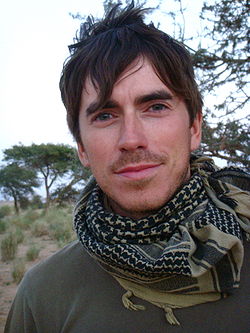 |
| Born | 21 July 1972 (age 52)
|
|---|
| Occupation(s) | Author, documentary filmmaker, television presenter |
|---|
| Known for | First and only author to document 1993 World Trade Center bombing,
Terrorism and political travel documentary film maker |
|---|
https://en.wikipedia.org/wiki/Simon_Reeve_(British_TV_presenter)
- 2022 – Simon Reeve's South America[36]
About
Description
Simon Alan Reeve is an English author, journalist, adventurer, documentary filmmaker and television presenter. He makes global travel and environmental documentaries, and has written books on international terrorism, modern history, and his adventures.
WikipediaBorn: July 21, 1972 (age 52 years),
London, United KingdomSpouse:
Anya ReeveHeight: 191 cm
Education:
Highbury Campus - City of Portsmouth College,
Twyford Church of England High SchoolSiblings:
James Reeve


沒有留言:
張貼留言