精彩的NHK Berlin 2026日本電影新生 "A NEW DAWN".等3片 經典"A Story from Chikamatsu" by MIZOGUCHI Kenji. 默片 Berlin 2026 A look at SHINOMIYA Yoshitoshi's "A NEW DAWN" and other films shown at the Berlin International Film Festival, as well as the classic "A Story from Chikamatsu" by MIZOGUCHI Kenji.
9:10-10:00
Berlin 2026
Berlin 2026
A look at SHINOMIYA Yoshitoshi's "A NEW DAWN" and other films shown at the Berlin International Film Festival, as well as the classic "A Story from Chikamatsu" by MIZOGUCHI Kenji.
轉文 近松物語 溝口健二 導演 A Story from Chikamatsu. The Crucified Lovers (Japanese: 近松物語/英文又稱被釘十字架的戀人, Hepburn: Chikamatsu Monogatari), also titled A Story from Chikamatsu, is a 1954 Japanese drama film directed by Kenji Mizoguchi.It was adapted from Monzaemon Chikamatsu's 1715 bunraku play Daikyōji mukashi goyomi.[4]
| The Crucified Lovers | |
|---|---|
 Film poster | |
| Directed by | Kenji Mizoguchi |
| Written by | |
| Based on |
|
| Produced by | Masaichi Nagata |
| Starring | |
| Cinematography | Kazuo Miyagawa |
| Edited by | Kanji Sugawara |
| Music by |
|
Production company | |
| Distributed by | Daiei Film |
Release date | |
Running time | 102 minutes |
| Country | Japan |
| Language | Japanese |
The Crucified Lovers (Japanese: 近松物語, Hepburn: Chikamatsu Monogatari), also titled A Story from Chikamatsu, is a 1954 Japanese drama film directed by Kenji Mizoguchi.[1][2][3] It was adapted from Monzaemon Chikamatsu's 1715 bunraku play Daikyōji mukashi goyomi.[4]
Plot
In Edo-period Japan, Mohei is an apprentice to Ishun, the wealthy grand scroll-maker of Kyoto. Mohei loyally serves his boss and works long hours for him. He has traditional views of morality and supports a sentence of crucifixion for an adulterous couple, even after he is reminded of Japan's double standard for wealthy men who cheat on their wives.
Ishun's tightfistedness and immorality force Mohei to rethink his simplistic, duty-bound worldview. When Ishun pressures his maid Otama to sleep with him, she lies that she and Mohei are engaged. Mohei refuses to go along with the ruse, arguing that an employee's duty is to serve their employer, even if it means being raped. However, neither does he expose Otama's deception. In addition, Ishun's wife Osan ropes Mohei into her family's financial difficulties. Ishun refuses to bail out Osan's family business, so Osan (whose mother forced her to marry Ishun for his money) begs Mohei to steal money from Ishun. Mohei is secretly in love with Osan and agrees to forge a money order for her.
Osan's plan fails when Mohei refuses to bribe a coworker who catches him; the coworker promptly turns him in to Ishun. Osan is about to confess, but Otama suddenly claims responsibility, hoping that her lie will protect Mohei. This backfires, as Ishun still thinks Otama is engaged to Mohei and decides to sideline his romantic rival. He puts Mohei under house arrest.
In the evening, Otama informs Osan that Ishun is cheating on her. The women devise a plan to have Osan catch her husband in the act by switching rooms for the night. However, Mohei accidentally derails the plan by escaping to meet Otama (whose room is occupied by Osan). While Mohei and Osan argue about whether Mohei should flee, Ishun's aide Sukeyemon catches them together and infers adultery. After returning from a night of carousing with geisha, Ishun hypocritically accuses his wife of adultery and directs her to commit suicide to protect the family name. However, while Ishun is distracted, Osan flees and links up with Mohei. Otama is allowed to quit her job.
The fugitives discover that Ishun has alerted the police to Mohei's forgery, but not his wife's purported adultery. Under shogunate law, failing to report a crime is itself a crime. However, Ishun does not want to admit his wife left him, which would scandalize his wealthy clients. Ishun's business rival Isan learns of the cover-up and conspires with Sukeyemon to reveal it at the right time so that he can destroy Ishun's company.
Osan and Mohei decide to commit suicide together. They change their minds when Mohei professes his love for Osan, and fake their deaths in Lake Biwa. After finding refuge in the mountains, Mohei tries to run away, reasoning that if he is gone, Ishun will take Osan back. However, Osan catches him and pledges her loyalty to him.
Ishun soon learns Osan and Mohei are alive. He uses his financial power and threats of collective punishment to turn Osan and Mohei's families against them. Mohei's father, who rents land from Ishun, betrays his own son and helps Ishun's henchmen kidnap Osan. When Osan refuses to see Ishun and returns to her family home, Ishun pays Osan's family to shame her into coming back. Mohei's father allows Mohei to flee to Osan's family home, but Osan's mother urges him to leave. When he declines, she tries to betray him to Ishun's henchmen, but the lovers run away together. At this point, Isan tips off the police about Ishun's failure to report his wife's adultery.
The police apprehend Mohei and Osan, but they also banish Ishun and Sukeyemon and strip them of their wealth. Before crucifying the lovers, the police parade Mohei and Osan through the streets of Kyoto. Their coworker remarks that she has never seen Osan so happy.
---GOOGLE 的翻譯人名上錯誤多
被釘十字架的戀人
電影海報
溝口健二 導演
撰寫者
尤田芳方
川口鬆太郎
基於
大教寺向五行
作者:近松門左衛門
永田正一製片的作品
主演
長谷川一夫
香川恭子
南田陽子
新藤榮太郎
攝影 宮川和夫
編輯:菅原寬二
音樂由
早坂文雄
望月為三
生產
公司
大榮電影公司
大映電影發行
發售日期
1954 年 11 月 23 日(日本)[1][2]
片長102分鐘
國家 日本
語言 日語
被釘十字架的戀人(日文:近松物語,赫本:近松《物語》(Monogatari),又稱《近松物語》(A Story from Chikamatsu),是一部1954年由溝口健二執導的日本劇情片。[1][2][3] 電影改編自近松門左衛門四大衛士的五金四:四四大索衛門」535年的無天騎士goyomi)。
劇情簡介
故事發生在江戶時代的日本,主角茂平是京都富商伊順的學徒。茂平忠心耿耿地侍奉老闆,長時間為他工作。他秉持著傳統的道德觀念,甚至支持對通姦夫婦處以十字架刑罰,即便有人提醒他日本社會對出軌富商的雙重標準也毫不動搖。
伊順的吝嗇和不道德迫使茂平重新審視他那簡單粗暴、恪守義務的世界觀。當伊順強迫女僕小玉與他同寢時,小玉謊稱自己和茂平已經訂婚。茂平拒絕配合這個騙局,他認為員工的職責就是為雇主服務,即使這意味著被強暴。然而,他也沒有揭穿阿玉的謊言。此外,伊順的妻子阿珊將茂平拉入了她家的經濟困境。伊順拒絕出手相助阿珊的家族企業,於是阿珊(她的母親為了錢逼她嫁給伊順)懇求茂平去偷伊順的錢。茂平暗戀阿珊,答應幫她偽造匯票。
阿珊的計劃失敗了,因為茂平拒絕賄賂發現他行竊的同事;同事立即將他告發給了伊順。阿珊正要坦白,阿玉卻突然冒出來說是自己的錯,希望她的謊言能保護茂平。然而事與願違,伊順仍然認為阿玉和茂平訂婚了,決定除掉這個情敵。他將茂平軟禁在家。
晚上,阿玉告訴阿桑,伊順對她不忠。兩人密謀要阿桑當場抓到丈夫的奸情,於是她們互換房間過夜。然而,茂平卻意外地破壞了計劃,她逃到阿玉(阿桑住在阿玉的房間裡)與她見面。當茂平和阿桑爭論茂平是否應該逃跑時,伊順的助手助右衛門撞見了他們,並推斷他們有婚外情。伊順與藝伎尋歡作樂一夜後,虛偽地指責妻子通姦,並讓她自殺以保全家名。然而,伊順分神之際,阿桑逃走並與茂平會合。阿玉獲準辭去工作。
逃亡者們發現,伊順已經向警方舉報了茂平的偽造行為,卻沒有舉報妻子所謂的通姦行為。根據幕府法律,不舉報犯罪本身就是一種犯罪。然而,伊順不願承認妻子離他而去,因為這會令他的富豪客戶們顏面掃地。伊順的商業對手伊山得知此事後,與助右衛門密謀,伺機揭露真相,以摧毀伊順的公司。
阿山和茂平決定一同自殺。但茂平向阿山告白後,兩人改變了主意,在琵琶湖假死。茂平在山中找到避難所後,試圖逃跑,因為他認為如果自己離開,伊順就會把阿山帶走。然而,阿山抓住了他,並向他發誓效忠。
伊順很快得知阿山和茂平還活著。他利用自己的財力和集體懲罰的威脅,挑撥阿山和茂平兩家的關係,使他們反目成仇。茂平的父親從伊順那裡租地,卻背叛了自己的兒子,幫助伊順的手下綁架了阿珊。阿珊拒絕見伊順,回到了娘家,伊順便收買了阿珊的家人,想羞辱她,逼她回來。茂平的父親允許茂平逃到阿珊家,但阿珊的母親勸他離開。茂平拒絕後,她試圖將他出賣給伊順的手下,但這對戀人還是私奔了。這時,伊珊向警方告發了伊順沒有檢舉妻子通姦的事。
警方逮捕了茂平和阿珊,同時也將伊順和助右衛門驅逐出境,並沒收了他們的財產。在將這對戀人釘上十字架之前,警方押著茂平和阿珊遊街示眾。他們的同事感嘆,她從未見過阿珊如此開心。
-----
https://kfa.kcg.gov.tw/tw/movies-content/16c71291D909
2022 2月 日影經典-昭和女神殿
近松物語 A Story from Chikamatsu
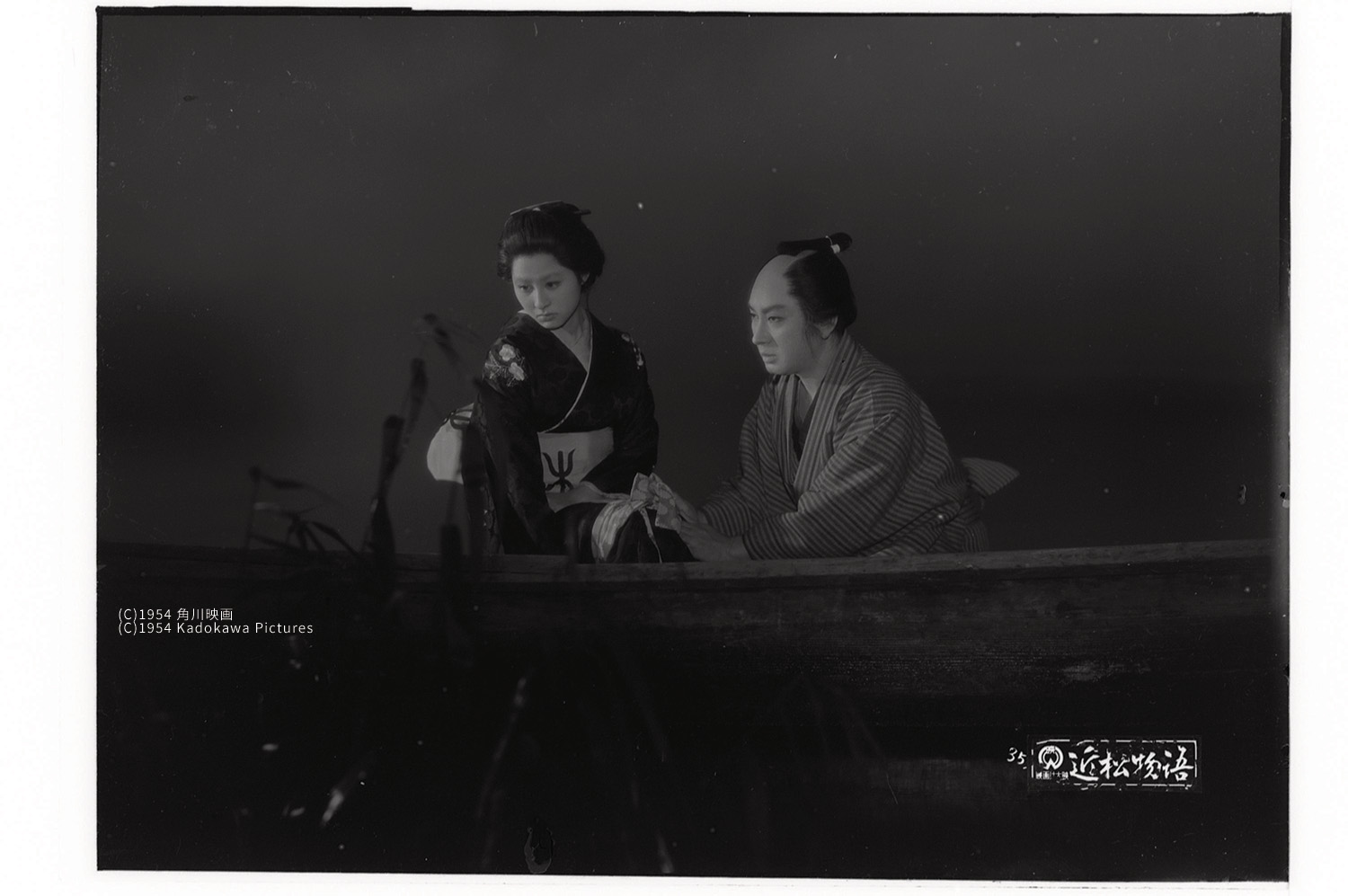
風光入圍坎城 香川京子淒美感人至極

沒有留言:
張貼留言